Companion Plants
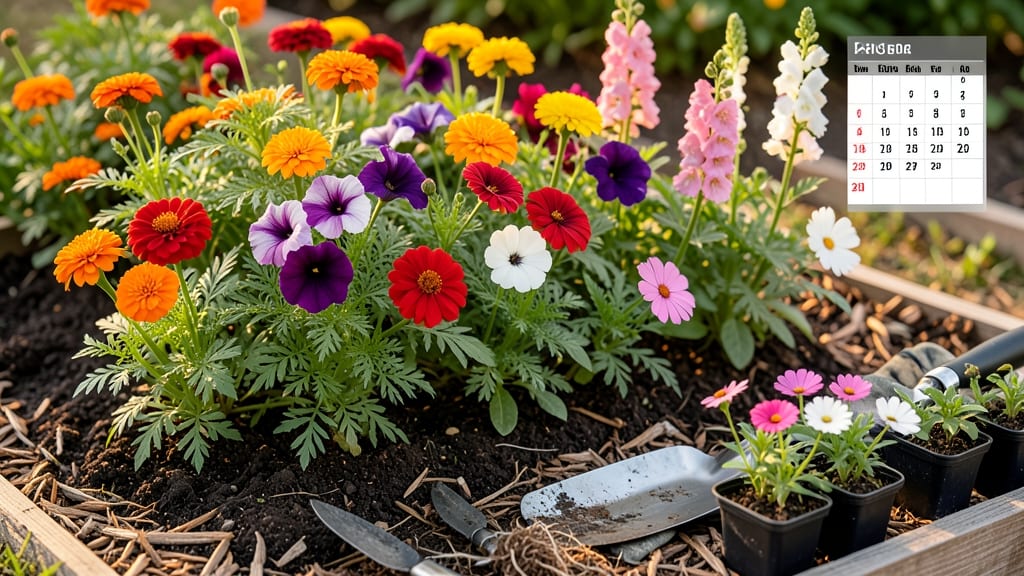
Zone 6 frost dates and ideal planting windows for annuals
In Zone 6, the difference between a bountiful garden and a failed planting often comes down to timing. The last frost date typically falls around April 15, but this can shift 1-2 weeks earlier or later depending on your exact location within the zone.
For example, cities like Chicago may experience frost until May 1, while Raleigh often sees the last frost by April 10. Always check your local USDA Plant Hardiness Zone Map or consult a nearby Cooperative Extension Service for precise dates.
Annuals in Zone 6 are generally divided into two main planting categories: cool-season and warm-season. Cool-season annuals, like pansies and lettuce, can often handle light frosts and should be planted 4-6 weeks before the last frost date.
Meanwhile, warm-season annuals, such as tomatoes and marigolds, thrive once soil temperatures consistently stay above 60°F, usually around mid-May to early June.
Understanding these planting windows isn’t just about avoiding frost—it’s also about soil temperature. Most warm-season annuals won’t germinate well in cold soil, so waiting until the ground warms up is crucial.
Use a soil thermometer to check: aim for 60-65°F for vegetables like peppers and eggplants. For flowers, such as petunias, soil temps of 55-60°F are ideal.
Another key factor is the first frost date, which usually arrives around October 15 in Zone 6. This means you can extend your growing season by planting heat-tolerant annuals like cosmos or zinnias in late July or August.
These plants will bloom well into fall before the frost hits. For a second crop of cool-season plants, sow spinach or kale in late summer to harvest before winter sets in.
Here’s a quick timeline to keep in mind: - Early Spring (March-April): Plant cool-season annuals like pansies, snapdragons, and lettuce. - Late Spring (May): Wait until after the last frost and soil warms to plant warm-season annuals like tomatoes, peppers, and marigolds. - Summer (June-August): Succession plant fast-growing annuals like bush beans or basil every 2-3 weeks for continuous harvests. - Fall (September-October): Plant cool-season annuals again for a late-season harvest.
| Planting Window | Annual Type | Ideal Planting Time | Soil Temp | Notes |
|---|---|---|---|---|
| Early Spring | Cool-Season Flowers | 4-6 weeks before last frost | 45-55°F | Pansies, Snapdragons, Sweet Alyssum |
| Early Spring | Cool-Season Veggies | 4-6 weeks before last frost | 40-50°F | Lettuce, Spinach, Kale, Peas |
| Late Spring | Warm-Season Flowers | After last frost, soil 60°F+ | 60-65°F | Marigolds, Petunias, Zinnias, Sunflowers |
| Late Spring | Warm-Season Veggies | After last frost, soil 65°F+ | 65-75°F | Tomatoes, Peppers, Eggplants, Basil |
Best annuals to plant early, mid-season, and late in Zone 6Zone 6 gardeners know timing is everything—planting your annuals at the right moment ensures vibrant blooms and bountiful harvests. I’ve broken down the best annuals to plant in early spring, mid-season, and late summer for your Zone 6 garden, so you can maximize your growing season without wasting time or resources. For early spring (March–April), focus on cool-season annuals like pansies, snapdragons, and lettuce. These tough plants handle light frosts and even thrive when temperatures dip below 40°F. I always start these indoors in late winter to give them a head start before transplanting after the last frost. Mid-season (May–June) is prime time for warm-season annuals such as marigolds, tomatoes, and basil. Wait until soil temperatures hit at least 60°F—cold soil can stunt growth. This is also when I begin succession planting for vegetables like bush beans and zucchini every 2–3 weeks for continuous harvests. Don’t overlook late summer (July–August) for fall-blooming annuals like cosmos, calendula, and kale. These plants love cooler weather and can extend your garden’s beauty well into October. I often use row covers to protect tender seedlings from unexpected early frosts. Here’s a quick reference for the best annuals by planting time, including their heat tolerance and cold hardiness:
1. Early Spring (March–April)
2. Mid-Season (May–June)
3. Late Summer (July–August)
Pro tip: Use succession planting for vegetables like radishes or bush beans every 2 weeks in late spring to avoid gluts. I also save seeds from my best performers—like sunflowers or zinnias
With this schedule, you’ll enjoy nonstop color and harvests from spring to fall—no dead zones in your garden! 🌻 |