
Companion Plants
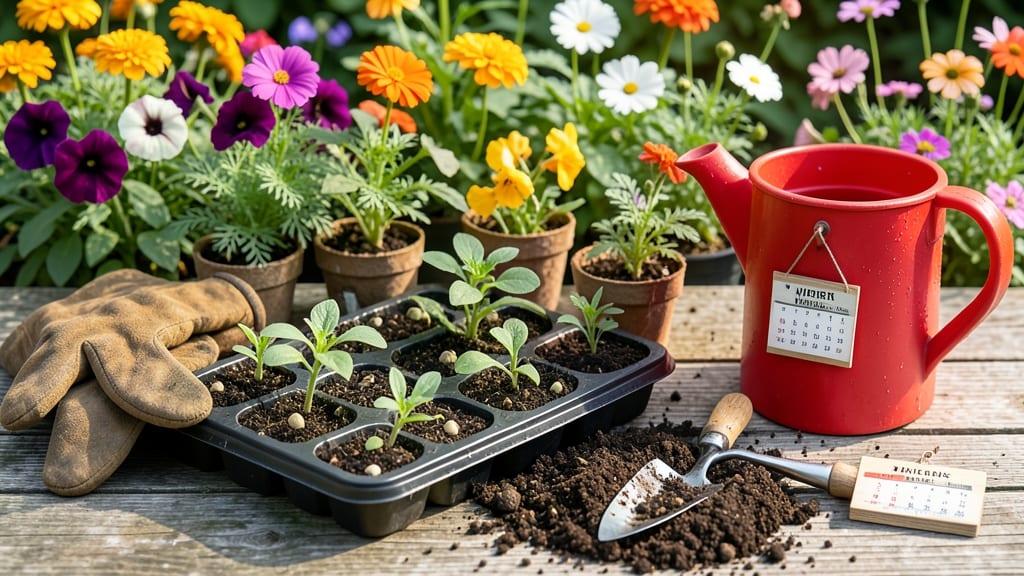
If you've ever wondered when to plant annuals in Zone 5 without risking frost damage or missed growth, timing is your secret weapon. The difference between a vibrant summer garden and a sad, stunted one often comes down to knowing exactly when to get those seeds in the ground.
With Zone 5's unpredictable spring weather, you can't just follow a generic calendar. Cool-season annuals like pansies can handle early planting, while warm-season favorites like tomatoes need to wait until the soil warms up. I'll show you the exact windows that work best for your region's microclimate.
Let's break down the science behind frost dates, soil temperatures, and how to adjust for late springs or early frosts. You'll discover how to maximize your garden's potential by planting at the perfect moment - whether that's weeks before last frost or right after the danger has passed.
By the end, you'll have a clear planting schedule tailored to Zone 5's 165 frost-free days, plus tips for preparing your garden bed so your annuals thrive from their first sprout to their last harvest. Your most colorful, productive garden starts with getting this timing right.
Exact weeks before last frost to plant annuals in Zone 5
Timing your annuals right in Zone 5 means understanding your last frost date, which typically falls around May 15 for most areas. However, this can vary by 1-2 weeks depending on whether you're in 5a (colder) or 5b (warmer) subzones.
For example, Chicago often sees frost until May 20, while Pittsburgh might warm up by May 10.
Most warm-season annuals (like tomatoes and marigolds) need to wait until 2-3 weeks after your last frost date.
That means planting them around mid-to-late May in most of Zone 5. Cool-season annuals, such as pansies and lettuce, can handle cooler soil and can even be sown 4-6 weeks before your last frost—sometimes as early as mid-April.
Soil temperature is just as critical as air temperature. Warm-season plants won’t thrive until soil reaches at least 60°F, while cool-season varieties can tolerate 40-50°F soil. Use a soil thermometer to check—it’s the best way to avoid planting too soon and risking frost damage.
Here’s a quick rule of thumb: Count backward from your last frost date and adjust based on the plant type. For warm-season annuals, aim for 2-3 weeks after frost.
For cool-season annuals, you can start 4-6 weeks before frost. This ensures your plants have enough time to establish roots before extreme weather hits.
🌱
Zone 5 Annual Planting Timeline
| Plant Type | Ideal Planting Window | Soil Temp Threshold | Notes |
|---|---|---|---|
| Cool-Season Annuals | 4-6 weeks before last frost (mid-April) | 40-50°F | Pansies, Lettuce, Kale, Spinach |
| Warm-Season Annuals | 2-3 weeks after last frost (mid-May) | 60°F+ | Tomatoes, Peppers, Marigolds, Zinnias |
| Late-Season Annuals | 4-6 weeks before first frost (late August) | 50-60°F | Cosmos, Snapdragons, Nasturtiums |
If you’re unsure about your exact last frost date, check your local Cooperative Extension Service or use a frost calendar for your specific city. For example, Detroit might have a later frost date than Minneapolis, even though both are in Zone 5.
Local microclimates—like urban heat islands or elevated gardens—can also shift your planting window by 1-2 weeks.
For warm-season annuals, don’t rush to plant as soon as the ground thaws. Wait until the soil is workable and the nighttime temperatures stay above 50°F. This usually aligns with late May in most of Zone 5.
If you’re eager to start, consider starter plants from nurseries—they’re already hardened off and ready to hit the ground running.
Another pro tip: Use row covers or cold frames to extend your planting season. These can protect tender annuals from unexpected late frosts, giving you an extra 2-3 weeks of growing time. Just remove the covers once the plants are established and the weather warms up consistently.
🌿
Remember, Zone 5’s growing season is short—about 165 frost-free days on average. That’s why succession planting is key. For example, you can plant bush beans in early June, then follow them with carrots in late July to maximize your harvest.
This way, you’re not leaving your garden beds empty and missing out on peak production.
Finally, keep an eye on your local weather forecasts in the weeks leading up to your target planting date. If a cold snap is predicted, delay planting until conditions improve. Your annuals will thank you with healthier growth and longer blooms all season long.
Best annuals for Zone 5 by planting window: early, mid, and late season
Zone 5 gardeners have three distinct planting windows for annuals: early spring (cool-season), mid-spring to summer (warm-season), and late summer (fall-blooming). Each window offers unique varieties that thrive under specific conditions, ensuring continuous color and harvests all season long.
For early spring planting (4-6 weeks before last frost), focus on cold-hardy annuals like pansies, sweet alyssum, and snapdragons. These plants tolerate cooler soil temperatures and even light frosts, giving you vibrant blooms as soon as temperatures rise.
🌱
- Pansies - Cold-tolerant (survives 28°F), blooms early spring to fall.
- Sweet Alyssum - Fragrant, self-seeds, thrives in partial shade.
- Snapdragons - Bi-color blooms, 60+ days to maturity, loves full sun.
- Calendula - Edible petals, pest-repellent, tolerates light frost.
- Lobelia - Trailing habit, perfect for containers, blooms all summer.
Mid-spring to summer (after last frost, typically mid-May) is prime time for warm-season annuals like tomatoes, marigolds, and zinnias. These varieties need soil temperatures above 60°F and 6+ hours of sunlight daily to flourish.
🌿
- Tomatoes - 60+ days to harvest, needs cages/stakes, full sun.
- Marigolds - Pest-deterrent, drought-tolerant, blooms summer-fall.
- Zinnias - Long-lasting cut flowers, attracts butterflies, 30-60 days to bloom.
- Petunias - Trailing or bush types, continuous blooms, loves morning sun.
- Basil - Herb for cooking, 60+ days to harvest, heat-loving.
Don’t overlook late summer planting (4-6 weeks before first frost, around late August). This window allows you to sow fast-growing annuals like cosmos, sunflowers, and nasturtiums for fall color and harvests. These varieties tolerate cooler nights and shorter days.
🌻
- Cosmos - Drought-resistant, self-seeds, 30-50 days to bloom.
- Sunflowers - Fast-growing, edible seeds, tall varieties for screens.
- Nasturtiums - Edible flowers/leaves, pest-repellent, trailing habit.
- Swiss Chard - Cut-and-come-again, cold-tolerant, colorful stems.
- Amaranth - Drought-tolerant, ornamental seeds, 45-60 days to harvest.
Pro tip: Use succession planting to extend harvests! For example, sow bush beans every 2 weeks from May until July for a continuous supply. Similarly, replant marigolds in late summer to keep your garden buzzing with pollinators until frost.
🌷