
Companion Plants
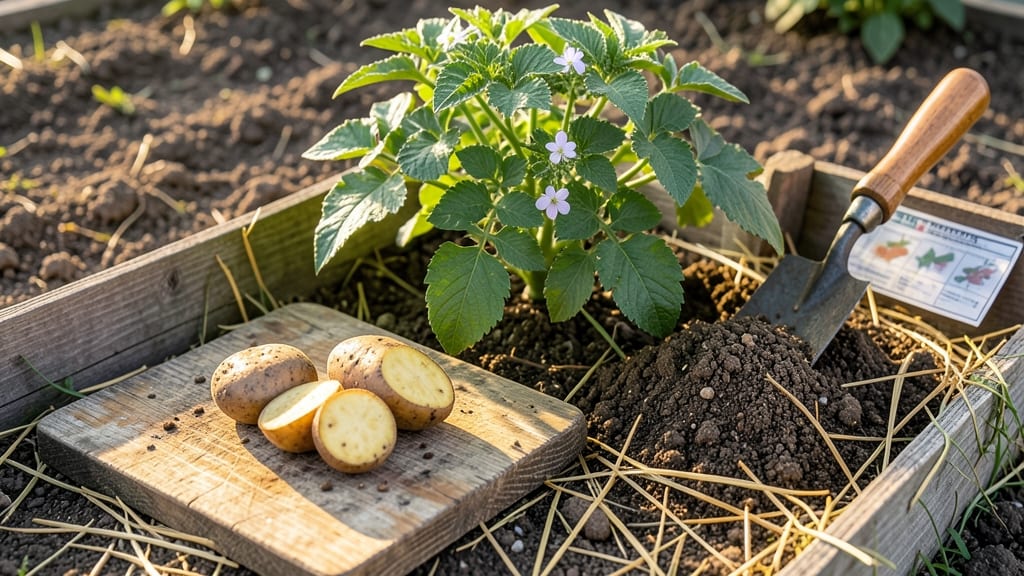
Knowing when to plant potatoes in Michigan can mean the difference between a thriving harvest and wasted seed potatoes—especially with the state's unpredictable frost dates. The right timing ensures your 🥔 plants grow strong and avoid stunted growth from early cold snaps or late frosts.
Michigan gardeners face unique challenges like varying frost zones across the state, from 5b in the Upper Peninsula to 6b in southern regions. Planting too early risks frost damage, while waiting too long cuts your growing season short.
I'll break down the exact frost-date calculator approach for early, mid-season, and late varieties so you can align your planting with Michigan's climate quirks.
Whether you're growing classic 'Red Pontiac' or sweet 'Yukon Gold' potatoes, the key is understanding your local last-frost averages and adjusting for soil conditions. We'll cover how to extend your season with mulching, chitting, and even indoor starts—because in Michigan, timing isn't just about the calendar, it's about the weather.
By the end, you'll have a clear plan to maximize your potato yield, avoid common mistakes, and make the most of Michigan's growing season. Let's get those spuds in the ground at the perfect moment!
Michigan potato planting dates by frost zone and variety type
Michigan’s USDA Zones 5b-6b mean potato planting dates vary dramatically between the Upper Peninsula and Lower Peninsula. Early varieties like Red Pontiac can handle cooler soils better than late varieties like Kennebec, which need warmer conditions.
The key is aligning your planting window with your last frost date—typically mid-April in southern Michigan but late May in the UP.
For a foolproof approach, use Michigan State University’s frost-date calculator (available via their Extension office) to pinpoint your county-specific averages. Most gardeners plant 4-6 weeks before the last frost, but early varieties can tolerate cooler spring soils as low as 45°F.
Late varieties, however, need soil temperatures above 50°F to avoid stunted growth.
Here’s how I break down the planting timeline for Michigan’s most popular varieties, adjusted for regional frost patterns:
| Variety Type | Days to Maturity | Planting Window (Lower Peninsula) | Planting Window (Upper Peninsula) | Soil Temp Requirement | Harvest Window |
|---|---|---|---|---|---|
| Early (e.g., Red Pontiac, Irish Cobbler) | 60-90 days | March 15–April 15 (chit indoors) | April 15–May 1 (soil >45°F) | 45–50°F | Late June–July |
| Mid-Season (e.g., Yukon Gold, Kennebec) | 90-110 days | April 1–May 15 (soil >50°F) | May 15–June 1 | 50–55°F | July–August |
| Late (e.g., Russet Burbank, Fingerlings) | 110–120 days | May 1–June 1 (soil >55°F) | June 1–July 1 | 55–60°F | August–September |
Pro tip: If you’re in northern Michigan, consider chitting (pre-sprouting) your seed potatoes indoors starting in March. This gives you a 2-week head start on the growing season. Place seed potatoes in a bright, cool spot (60–65°F) with light exposure to encourage 1-inch sprouts before planting.
For southern Michigan gardeners, you can even squeeze in a fall harvest by planting late varieties in June. This works because Michigan’s first frost typically hits mid-October, leaving enough time for late potatoes to mature.
Just be prepared to hill soil around the plants to protect tubers from early cold snaps.
One mistake I see often is planting too early in cold, wet soils, which leads to rotten seed potatoes and poor germination. Always wait until soil temperatures reach the minimum threshold for your variety—use a soil thermometer if you’re unsure.
Michigan’s clay-heavy soils also benefit from amending with compost to improve drainage.
If you’re unsure about your local frost dates, check Michigan State University’s Historical Frost Data tool or contact your county Extension office. They’ll provide decade-specific averages that account for climate shifts over time.
For example, Washtenaw County averages a last frost of April 15, while Marquette in the UP often sees frost until May 20.
Remember, potato planting success in Michigan hinges on three factors: soil temperature, frost timing, and variety selection. Early varieties are your best bet for northern regions, while mid-season types thrive in southern Michigan’s warmer springs.
Always plant seed potatoes (not grocery store potatoes) for the best results—certified disease-free seed potatoes are available through Michigan State University’s Extension or local nurseries.
How to adjust planting timing for Michigan’s microclimates and soil conditions
Michigan’s Upper and Lower Peninsulas have wildly different frost patterns, making a one-size-fits-all approach risky. For example, Traverse City (Zone 5b) might see its last frost by May 10, while Detroit (Zone 6a) could be frost-free by April 20.
Always check your local USDA zone and adjust planting dates accordingly.
Cold, heavy clay soils common in northern Michigan slow warming—planting too early can stunt growth. To compensate, use black plastic mulch 2-3 weeks before planting to raise soil temps by 5-10°F. This trick works especially well for early varieties like ‘Early Rose’, which need warm soil to sprout.
Black walnut toxicity is another Michigan-specific challenge. If your garden has walnut trees, avoid planting potatoes within 80 feet of the trunk—their roots release juglone, a toxin that causes stunted, bitter tubers. Test your soil with a $10 home kit before committing to a planting plan.
Planting potatoes in frozen soil (45°F or below) risks rot and disease. Use a soil thermometer ($12) to confirm temps are 50°F+ at 4-inch depth before planting.
Pro Tip: In cold zones, chit your seed potatoes (sprout indoors) 4-6 weeks before the last frost to jumpstart growth.
For late-season varieties like ‘Kennebec’, consider a June planting for a fall harvest. Plant 4-6 weeks before your first frost date (typically mid-October) to avoid tubers sprouting before cold sets in. This method works best in southern Michigan where summers are longer.
If your garden sits in a frost pocket (common in valleys), opt for hill planting—mound soil into 12-inch-high ridges to create a microclimate 5°F warmer than surrounding areas. This simple hack extends the growing season by 2-3 weeks in marginal zones.
Finally, mulch heavily with straw or leaves after planting to insulate tubers from late spring frosts. In northern Michigan, this can mean the difference between a full harvest and frost-damaged crops. Monitor forecasts and add extra mulch if a 28°F freeze is predicted.