Companion Plants
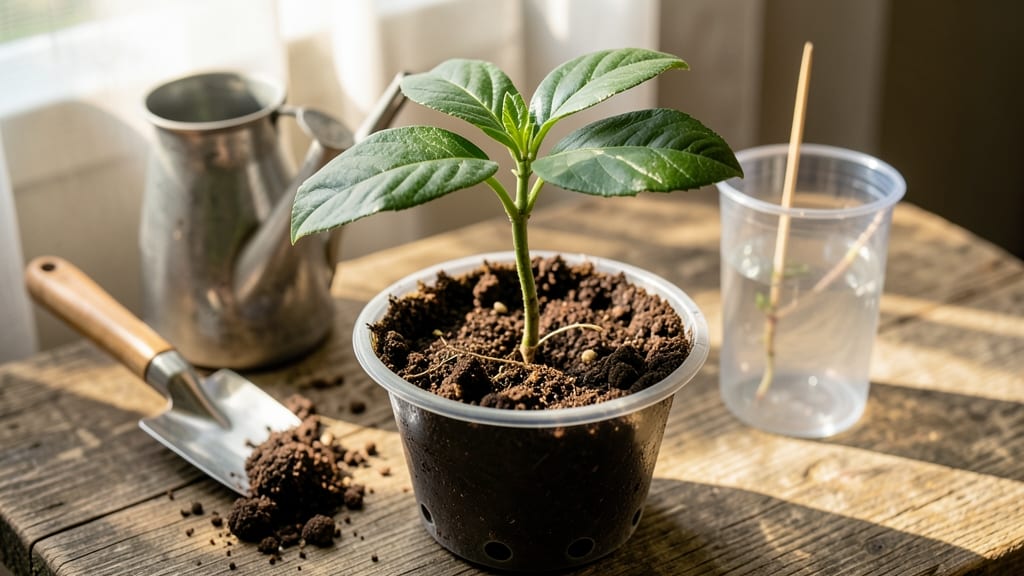
Knowing when to plant your avocado seed in soil is the difference between a thriving 🥑 sapling and a sad, wilted disappointment. That tiny sprout you’ve been nurturing in water needs the right moment to transition—or it’ll struggle to adapt, leaving you frustrated and wondering what went wrong.
The key is timing: wait until your seedling has 4-6 inches of healthy roots before planting, usually after 3-6 months of germination. This ensures it’s strong enough to handle soil, but not so large that transplant shock becomes an issue.
Whether you’re in a warm climate or zone 6a, spring—after your last frost—is your best bet.
But here’s the catch: rushing the process can drown those delicate roots, while waiting too long might stunt growth. I’ll walk you through the exact steps to prep your soil, choose the right pot, and give your avocado the care it needs to flourish—without the guesswork.
Let’s turn that water-grown seedling into a robust plant ready for its next big adventure in soil. You’ve got this!
Avocado seed germination timeline: when to transition from water to soil
Your avocado seed’s journey from a simple pit to a thriving seedling is a patience-testing process, but timing the move to soil is critical. Most seeds take 4 to 6 months to develop the 4-6 inch roots needed for soil success.
Rushing this step often leads to root rot or stunted growth, while waiting too long risks weakening the seedling.
Start by monitoring your seed’s root development in water. Healthy roots should grow 1-2 inches per week once germination begins. The optimal stage for soil transition is when roots reach 4-6 inches—this ensures the seedling has enough energy reserves to adapt to soil conditions.
Here’s the key milestone to watch: when the stem reaches 6-12 inches tall and roots are thick and fibrous. At this point, the seedling has developed a strong root system capable of anchoring in soil and accessing nutrients.
If you’re in a cooler climate (USDA Zones 6-8), aim to transition your seedling to soil in early spring (March-April), after the last frost date. Warmer climates (Zones 9+) can plant year-round, but spring or fall still offers the best conditions for adaptation.
Before planting, ensure your seedling has at least 2-3 sets of true leaves (not the initial seed leaves). These leaves indicate the seedling is photosynthesizing efficiently, a critical sign it’s ready for soil.
| Stage | Timeframe | Key Features | Action Required |
|---|---|---|---|
| Germination | 2-4 weeks | Root sprout 1-2 inches | Keep in water; change daily |
| Early Growth | 4-8 weeks | Roots 2-4 inches; 1-2 leaves | Increase light; avoid drafts |
| Soil-Ready | 3-6 months | Roots 4-6 inches; 6+ inches tall | Transition to soil; use well-draining mix |
| Post-Planting | Ongoing | Healthy leaves; steady growth | Fertilize lightly; monitor moisture |
A common mistake is waiting until the seedling is too large for its water container, but size alone isn’t the best indicator. Instead, focus on root length and leaf health.
If roots are brown or mushy, your seedling has been overwatered and needs immediate soil transition to prevent rot.
For tropical climates, you can plant year-round, but spring or fall still provides the best balance of warmth and humidity. In temperate zones, avoid planting outdoors before May 1st—frost can kill young seedlings.
Pro tip: If your seedling’s roots grow too quickly in water, it may be root-bound. Gently trim roots by 1/3 before planting to encourage new growth in soil. This trick helps prevent transplant shock.
Once your avocado seedling hits the 4-6 inch root mark, it’s time to harden off the plant. Place it outdoors for 2-3 hours daily in partial shade for a week before full soil transition. This gradual adjustment reduces stress and improves survival rates.
Remember, patience is key. Rushing the process can lead to yellowing leaves or stunted growth, while waiting too long may result in a seedling that struggles to adapt. With the right timing and care, your avocado seedling will thrive in soil and grow into a stunning tree.
Step-by-step guide: planting your avocado seedling in soil for maximum survival
Once your avocado seedling reaches the 4-6 inch root stage, it’s ready for soil—but rushing the transition can shock delicate roots. Start by preparing a well-draining potting mix (equal parts potting soil, perlite, and compost) to mimic its tropical habitat. Avoid garden soil, which compacts and suffocates roots.
Choose a 6-8 inch pot with drainage holes to prevent waterlogging, a common killer of young seedlings. If you’re planting outdoors, wait until after the last frost (typically April-May in USDA Zone 6a) and ensure soil temperatures stay above 60°F.
🌱 Step-by-Step Planting Process
- Step 1: Gently remove the seedling from water, shaking off excess moisture to prevent rot.
- Step 2: Fill the pot with 2 inches of soil mix, then place the seedling at a 1-inch depth (burying the roots but not the stem).
- Step 3: Add more soil around the roots, pressing lightly to secure the seedling without compacting.
- Step 4: Water thoroughly until it drains from the bottom, then let excess water evaporate for 24 hours before resuming normal care.
- Step 5: Place the pot in bright, indirect light for 1 week to acclimate, then gradually introduce full sun over 2 weeks.
After planting, maintain high humidity (use a plastic bag or tray of water) for the first 2 weeks to reduce transplant shock. Avocado seedlings thrive in 60-80% humidity, so mist leaves daily if your home is dry. Avoid fertilizing for 4-6 weeks to let roots recover.
Monitor for yellowing leaves, a sign of overwatering or poor drainage. If you notice this, reduce watering and ensure the pot has drainage holes. Conversely, wilted leaves signal underwatering—stick your finger 1 inch into the soil; water if it’s dry.
For outdoor planting, select a sunny, sheltered spot (avocados hate cold winds). In colder climates, keep seedlings in pots and move them indoors during winter. Mulch around the base with wood chips to retain moisture and regulate soil temperature.
Within 3-6 months, your seedling will establish roots and start growing faster. Prune leggy stems to encourage bushier growth, and by year 3, it may reach 6-10 feet tall—though fruiting is unlikely without grafting. Patience is key! 🌿