
Plants
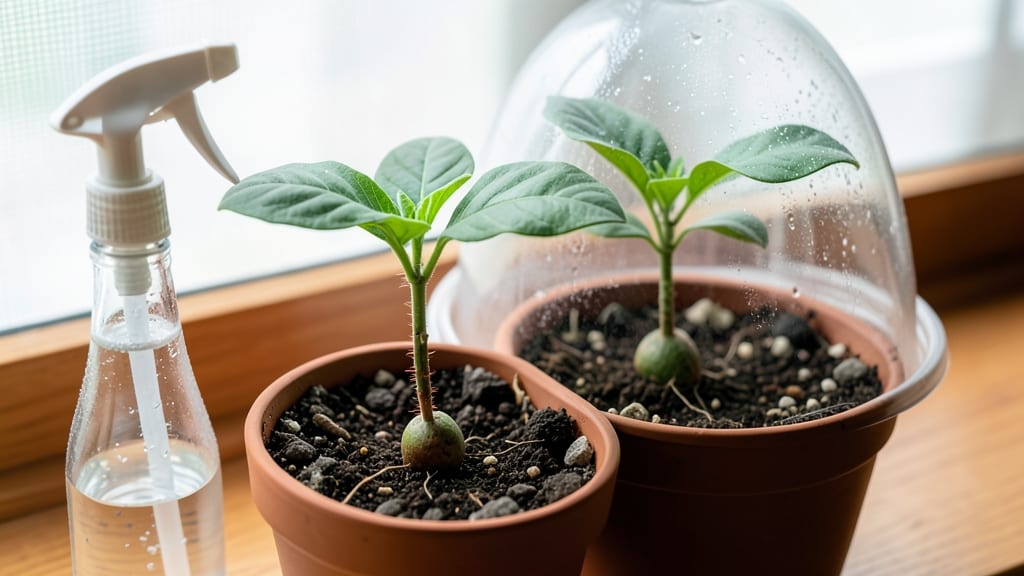
Knowing when to plant your avocado seed in dirt can mean the difference between a thriving 🥑 sapling and weeks of frustration waiting for sprouts. Unlike many plants, avocados don't follow a strict seasonal calendar—they demand patience and the right conditions to avoid rot or stunted growth.
Most gardeners start their avocado seeds indoors 6-12 months before outdoor planting, but timing your soil transition depends on your climate. In warmer zones like 6a, March through April (after the last frost) gives seeds the ideal 65-85°F soil temperature to root confidently.
Cooler regions may need to wait until late spring when temperatures stabilize.
Here's the game-changer: your seed must have 2-3 inches of healthy roots before hitting dirt. Skipping this step often leads to shock or failure—so we'll cover exactly how to prep your seedling for the big move without killing momentum.
Ready to skip the guesswork? I'll walk you through seasonal cues, soil prep secrets, and the 3-step transplant process that's worked for even the most impatient gardeners. Let's get those avocado seeds growing fast and right.
Best season and temperature for planting avocado seeds in soil
Timing is everything when planting your avocado seed in dirt. Unlike many seeds, avocados thrive best when soil temperatures hover between 65°F and 85°F. This window typically aligns with late spring to early summer in most temperate climates, but regional differences matter.
For example, in USDA Zone 9 or warmer, you might start as early as February, while cooler zones like Zone 7 should wait until May.
Avocados are tropical plants at heart, so they despise cold soil. If you plant too early, your seed may rot before sprouting. Always check soil temperature with a soil thermometer—this simple tool prevents costly mistakes. Aim for consistent warmth before committing to the garden bed.
Another key factor is last frost date. Avocado seedlings are frost-sensitive, so wait until all danger of frost has passed. In most areas, this means planting after April 15 (or your local last frost date).
If you’re in doubt, err on the side of patience—your avocado tree will thank you later with healthier growth.
🌱
| Climate Zone | Best Planting Month | Soil Temp Requirement | Key Consideration |
|---|---|---|---|
| Tropical (Zone 10+) | February-March | 70-85°F | Year-round growth; avoid summer heatwaves |
| Temperate (Zone 7-9) | April-May | 65-75°F | Wait for stable warmth after last frost |
| Cool (Zone 6 or below) | May-June | 70-80°F | Start indoors; transplant after summer heat |
| Container Growing (Any Zone) | March-April | 60-75°F | Move pots to warmer microclimates in winter |
If you’re growing avocados in containers, you have more flexibility. Pots can be moved to warmer microclimates like patios or greenhouses earlier in the season. Just ensure your container has drainage holes—avocados hate soggy roots.
I’ve had success starting my seedlings in pots by March 1, then moving them outdoors after the last frost.
One common mistake is assuming spring planting means March. In reality, early spring can still bring chilly nights, especially in northern regions. Use a row cover or move pots indoors if temperatures dip below 55°F.
Your goal is to keep the soil consistently warm for at least 6-8 weeks after planting.
For those in drought-prone areas, timing also affects watering needs. Planting in early summer means less reliance on supplemental irrigation, as natural rainfall often increases. However, if you’re in a Mediterranean climate with dry summers, consider fall planting (September-October) to take advantage of cooler temps and winter rains.
🌡️
Pro tip: Observe your local avocado trees (if any nearby). They’ll naturally drop fruit when conditions are ideal for germination. This is your natural cue for timing. For example, in California, avocados often drop fruit in late summer, signaling that fall planting can work well with proper protection.
Finally, don’t overlook the moon phase if you’re feeling superstitious (or just curious!). Planting during a waxing moon is said to encourage above-ground growth, which aligns with your seedling’s needs. While not scientifically proven, it’s a fun tradition many gardeners swear by!
Best season and temperature for planting avocado seeds in soil
Timing your avocado seed's transition from water to soil is critical—plant too early, and you risk root rot; too late, and germination slows. The ideal soil temperature for planting is between 65-85°F, which aligns with spring planting in most USDA Zones 9-11.
In cooler climates (Zones 7-8), wait until late spring or early summer when soil warms consistently.
For tropical regions, avocado seeds can be planted year-round, but spring and fall still offer the best balance of warmth and moisture. If you're in a temperate zone, aim for March-April after the last frost date—this gives roots time to establish before summer heat arrives.
Always check your local last frost date to avoid cold damage.
| Climate Zone | Best Planting Window | Soil Temp Requirement | Key Consideration |
|---|---|---|---|
| Tropical (Zones 10-11) | Year-round (peak: Spring/Fall) | 65-90°F | Humidity levels matter more than frost |
| Temperate (Zones 7-9) | March-April (after last frost) | 65-85°F | Wait for stable 70°F+ soil temps |
| Cool (Zones 6-7) | Late May-June | 70-85°F | Use black plastic mulch to warm soil |
🌡️ Pro Tip: Use a soil thermometer to verify temps before planting
If you're starting seeds indoors before transplanting, begin the water-to-soil transition when roots reach 2-3 inches long. This usually happens 4-8 weeks after initial germination.
For outdoor planting, ensure nighttime temperatures stay above 55°F to prevent shock. In container gardening, you can plant slightly earlier since pots warm faster.
One common misconception is that avocado seeds need cold stratification—they don’t! Unlike apples or cherries, avocado seeds germinate best in warm, moist conditions. The key is maintaining consistent moisture without waterlogging.
Use a well-draining potting mix with perlite or sand to prevent rot during the critical first 30 days in soil.
For container growers, spring planting still applies, but choose pots with drainage holes and use a lightweight potting mix. If you're in a high-altitude area (e.g., Denver, CO), extend your growing season by starting seeds indoors in February and transplanting after Memorial Day.
Always acclimate seedlings to outdoor conditions over 7-10 days to harden them off.
Remember: Patience is key! Avocado seeds can take 6-13 months to germinate in soil, but proper timing and conditions cut that window by 30-50%. Monitor your seedling's progress and adjust watering as needed—yellowing leaves often signal overwatering, while brown tips may indicate underwatering or low humidity. 🌱