
Companion Plants
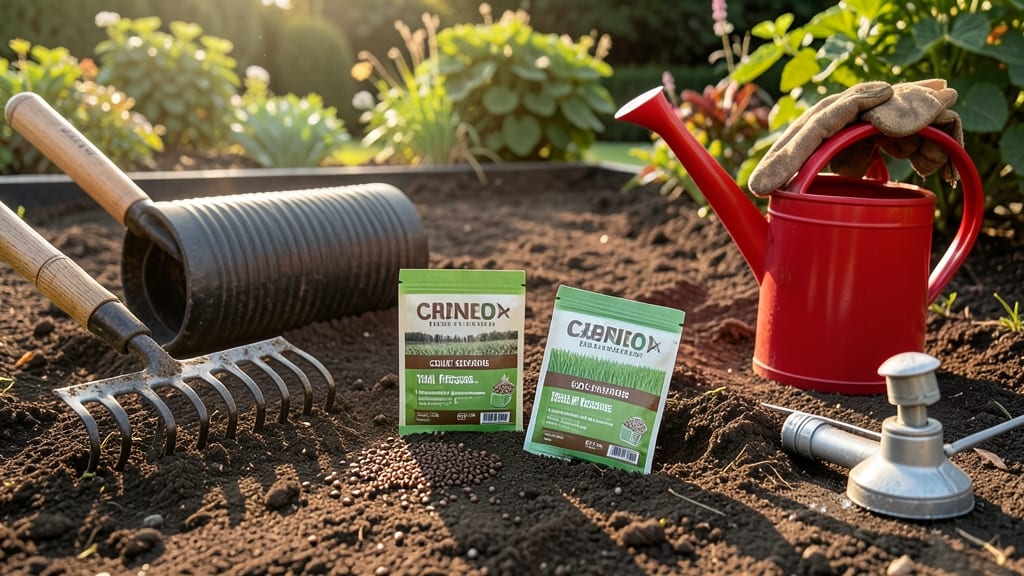
Planting grass seed in Michigan at the wrong time can mean the difference between a lush, green lawn and months of patchy frustration. With 5b-6b climate zones and unpredictable spring rains, timing is everything for 🌱 turfgrass success.
You’ve probably heard the advice to plant in spring or fall, but Michigan’s regional variations—like the Upper Peninsula’s cooler climate—mean one-size-fits-all tips won’t cut it. The key is understanding soil temperatures, frost dates, and how to adjust for your specific corner of the state.
In this guide, I’ll break down the best windows for planting, from early spring’s March-April rush to fall’s August-September opportunity. You’ll also learn how to check soil readiness, avoid common mistakes, and troubleshoot if Mother Nature throws a curveball.
Whether you’re seeding a new lawn or repairing bare spots, getting this right means saving time, money, and headaches down the road. Let’s get your grass off to the best possible start.
Michigan’s best grass seed planting windows: spring vs fall germination timeline
Michigan’s USDA hardiness zones 5b-6b create a delicate balance for planting grass seed. The Upper Peninsula (Zone 5b) has a shorter growing season than the Lower Peninsula (Zone 6a-6b), so timing matters more.
Cool-season grasses like Kentucky bluegrass and fine fescue thrive when planted in early spring or early fall, avoiding Michigan’s harsh winters and summer heat.
Most Michigan gardeners aim for March-April (spring) or August-September (fall) planting windows. Spring planting gives seeds time to establish before summer heat, while fall planting avoids summer drought and allows roots to strengthen before winter. The key? Soil temperatures must stay above 50°F for consistent germination.
Here’s how Michigan’s regional climate differences impact your planting schedule. Northern Michigan (Upper Peninsula) should plant 1-2 weeks later than southern Michigan to avoid late spring frosts. For example, Marquette (Zone 5b) might wait until late April, while Detroit (Zone 6b) can start as early as mid-March.
| Planting Window | Best Months | Soil Temp Requirement | Region-Specific Notes |
|---|---|---|---|
| Spring Planting | March–April | 50–65°F | Southern MI: Early March; Northern MI: Late April |
| Fall Planting | August–September | 55–70°F | Plant 6–8 weeks before first frost (early Sept in UP) |
| Avoid | May–July | N/A | Summer heat causes seed dormancy; weeds outcompete seedlings |
🌱 Pro Tip: Use a soil thermometer to confirm temps before planting.
Spring planting in Michigan requires patience. Seeds sown in March may face late frosts or saturated soil from snowmelt. To mitigate risks, choose slow-release seed blends and cover seeds with straw mulch until soil warms.
Fall planting, however, offers a 6-week window before winter dormancy, giving grass roots time to establish without summer stress.
Michigan’s first frost dates vary wildly—mid-October in southern Michigan but as early as late September in the UP. To avoid disappointment, use the National Weather Service’s frost prediction maps or local Michigan State University Extension resources.
Aim to plant 6 weeks before the average first frost date for your area.
For northern Michigan, where winters are longer, focus on fall planting (late August) and use cold-hardy varieties like fine fescue. Southern Michigan’s milder climate allows for both spring and fall planting, but avoid late May plantings—summer heat will stall germination.
If you’re torn between seasons, fall planting often yields better results in Michigan. Cooler temps reduce weed competition, and established roots handle winter better. Just ensure your seeds germinate 4–6 weeks before frost to avoid winter kill.
Regardless of season, test your soil 2 weeks before planting. Ideal pH (6.0–7.0) and moisture levels are critical. Use a soil thermometer to confirm temps—50°F+ for cool-season grasses. Skipping this step is a common mistake that leads to poor germination.
Remember: Michigan’s microclimates mean your neighbor’s perfect timing might not work for you. Check local frost dates, monitor soil conditions, and adjust your schedule accordingly. With the right timing, you’ll have a thick, green lawn by next summer.
How to check soil conditions before planting grass seed in Michigan
Michigan’s soil temperature and moisture levels can make or break your grass seed success. Planting too early when the ground is still too cold or too late when it’s drying out leads to poor germination. Before you even spread seed, you need to confirm your soil is ready—because Mother Nature in Michigan doesn’t always follow the calendar. The ideal soil temperature for grass seed germination is between 50°F and 65°F. Below 50°F, seeds may rot; above 75°F, they can dry out before sprouting. Use a soil thermometer (available for under $10) to check the temperature about 2 inches deep, where the seeds will be.🌱
Don’t rely on air temperature alone. A sunny 60°F day can hide 40°F soil, while a cloudy 50°F day might have 60°F soil. Always check with a thermometer!
Next, test your soil’s moisture content. Stick your finger about 1 inch deep—if it feels dry, water lightly before planting. If it’s soggy or muddy, wait for it to dry out slightly. Grass seed needs consistent moisture but won’t tolerate standing water. A moisture meter can help if you’re unsure—aim for 40-60% moisture in the top 2 inches of soil.
💧
Don’t overlook soil pH, either. Most grass types thrive in a pH range of 6.0 to 7.5. Test your soil with a home pH kit (or send a sample to your local Michigan State University Extension office for a free test). If your pH is off, amend it before planting: lime raises pH, while sulfur lowers it. For example, Kentucky bluegrass prefers 6.0-7.0 pH, while fine fescue tolerates 5.5-7.0.
🌿
Finally, break up any compacted soil with a garden fork or aerator. Compacted areas prevent roots from establishing properly. If your lawn has thatch buildup (over 0.5 inches thick), dethatch before seeding. For new lawns, till the top 4-6 inches of soil to create a loose seedbed. Remember: preparation is key—skipping these steps means your grass seed will struggle from day one.
✂️ Pro tip: If you’re planting in fall, check soil temps again in late August or early September. Northern Michigan’s Upper Peninsula often cools faster than the Lower Peninsula, so adjust your timing accordingly. Use the Michigan State University Frost Date Map (linked in our resources) to pinpoint your local frost windows and plan ahead.
📋