
Flowers
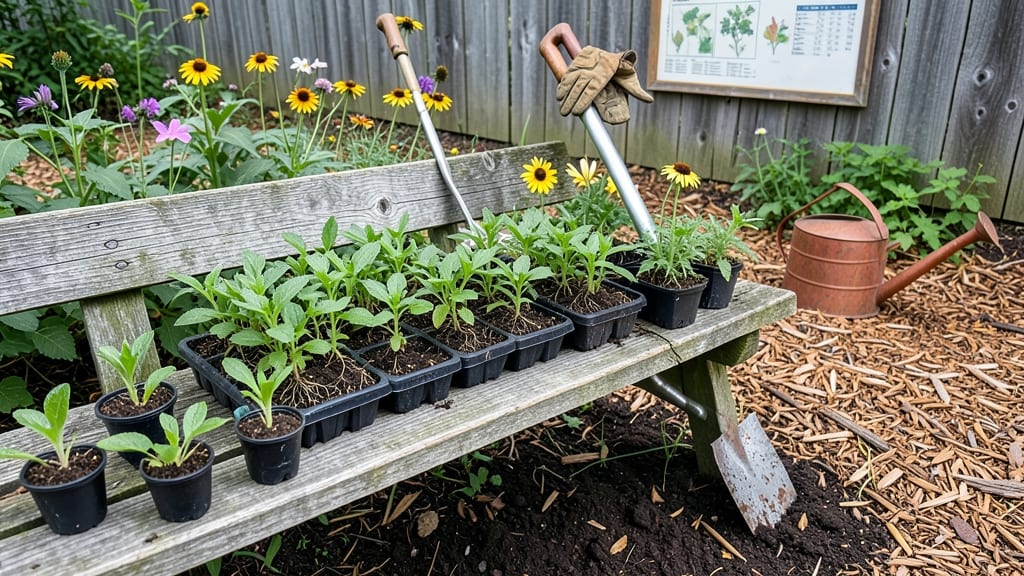
Timing your flower planting in Michigan isn't just about grabbing seeds and digging in—it's about beating frost, reading your USDA Zone 5b-6b like a map, and knowing when those 🌸 will actually thrive.
Get it wrong, and you're staring at brown stems instead of blooms by summer. But here's the good news: with the right calendar, you can turn your garden into a year-round showstopper.
Most Michigan gardeners wait until after the last frost date—typically around April 15—but that's just the starting line. The real magic happens in understanding frost probability and soil temperatures, which can vary wildly from Detroit to Traverse City.
I'll show you how to use local data to plant with confidence, whether you're dropping in annuals or coaxing perennials back to life.
This isn't your grandma's "plant in May" advice. We're talking about succession planting for continuous color, cold-hardy varieties that laugh at frost, and even fall bloomers that keep your garden party going until October.
Let's cut through the guesswork and get your flowers growing on a schedule that actually works for Michigan's climate.
Ready to transform your yard into a blooming paradise? Stick with me, and you'll know exactly when to plant—down to the week—for flowers that stay vibrant from spring through fall. No more wasted seeds or sad, frost-nipped dreams.
Michigan flower planting timeline by type: frost dates and USDA Zone 6 guidelines
Michigan’s USDA Zone 6 climate means your flower planting timeline hinges on last frost dates (typically April 15 in most regions) and first frost dates (around October 15).
However, these dates vary by city—Detroit’s average last frost is April 22, while Traverse City’s can be as late as May 5 due to lake effects. Always check local frost probability maps from the Midwest Regional Climate Center before planting.
For annual flowers like marigolds or petunias, wait until soil temperatures reach 50°F—usually mid-May in northern Michigan and early May in southern areas. Cold-hardy perennials, such as coneflowers or black-eyed Susans, can often be planted as early as late April once the ground thaws. Bulbs like tulips should go in the ground in fall (October), while tender bulbs like dahlias wait until after the last frost in spring.
Here’s a quick rule of thumb: Hardy flowers (e.g., pansies, snapdragons) can handle light frosts and may even bloom in late spring if planted in early April. Tender flowers (e.g., impatiens, begonias), however, must wait until mid-to-late May when nighttime temperatures consistently stay above 55°F. Succession planting is key for annuals—sow fast growers like zinnias every 2 weeks from May to July to extend your blooms.
| Flower Type | Planting Window (USDA Zone 6) | Frost Tolerance | Notes |
|---|---|---|---|
| Cold-Hardy Annuals | Early April – Mid-May (after frost) | Tolerates 28°F+ | Pansies, snapdragons, sweet peas |
| Tender Annuals | Mid-May – Early June (soil 50°F+) | Dies in 32°F | Marigolds, impatiens, zinnias |
| Perennials | Early April – Early June (spring) or September (fall) | Varies (20°F–35°F) | Coneflowers, black-eyed Susans, daylilies |
| Spring-Blooming Bulbs | Fall (October) | 10°F–20°F dormant | Tulips, daffodils, crocuses |
| Fall-Blooming Bulbs | Late Summer (August) | 30°F+ | Chrysanthemums, fall crocuses |
Don’t let microclimates fool you—areas near lakes (like Grand Haven) stay cooler longer, while urban heat islands (e.g., Detroit) warm up faster. Test your soil with a soil thermometer—if it’s below 50°F, wait 1–2 weeks longer.
For container gardening, use black plastic pots to absorb heat and plant heat-loving flowers like lantana or salvia slightly earlier.
If you’re in a northern Michigan region (e.g., Marquette), push planting back to late May for tender annuals, as frost can linger until May 20. In southern Michigan (e.g., Jackson), you might safely plant marigolds by mid-April.
Always check the Michigan State University Garden Hotline for real-time updates—their frost alerts are a gardener’s best friend.
For fall planting
How to use frost probability data to avoid common Michigan gardening mistakes
Michigan’s frost dates can shift by weeks from year to year, making it tricky to time your flower planting. The key is using NOAA frost probability maps and local data to calculate your safe planting window.
For most of Michigan’s USDA Zone 6 regions, the last spring frost typically occurs between April 15 and May 1, but this varies by microclimate—urban areas warm up faster than rural spots.
Start by checking the Michigan State University Garden Hotline or NOAA’s Frost/Freeze Forecast for your specific county. These tools provide 10-day frost probabilities, which help you determine when the risk of frost drops below 10%.
This is your green light to plant tender annuals like marigolds or petunias, which can’t handle even light frost.
Here’s where many gardeners go wrong: they rely on seed packet instructions alone, which often suggest planting dates based on national averages—not Michigan’s variable climate.
For example, a packet might say “plant after last frost,” but if you’re in Traverse City, that could be May 10, while in Detroit, it might be April 25. Always cross-reference with local data.
Even hardy flowers like pansies or snapdragons can suffer if planted before the soil warms to 50°F. Cold soil slows germination and invites rot diseases. Use a soil thermometer to confirm temperatures before planting.
Another pitfall is ignoring microclimates—areas in your yard that warm up faster or stay colder longer. A south-facing slope might be 2-3 weeks earlier than a shaded north side.
Test your microclimates by planting cold-hardy radishes in different spots in early April. They’ll sprout first in the warmest areas, giving you a heads-up for flower planting.
For fall planting, aim to get seeds or transplants in the ground 6-8 weeks before your first frost (usually September 15–October 15). Use cold-hardy varieties like asters or chrysanthemums, which can handle light frosts.
If you’re unsure about your frost date, err on the side of planting later—established plants are far more resilient than young seedlings.
Pro tip: Bookmark the Michigan State University Extension’s Planting Calendar and set reminders for key dates. Their interactive maps let you input your ZIP code for hyper-local advice. With these tools, you’ll avoid the heartbreak of frost-nipped blooms and enjoy a longer, more vibrant flower season.