
How To
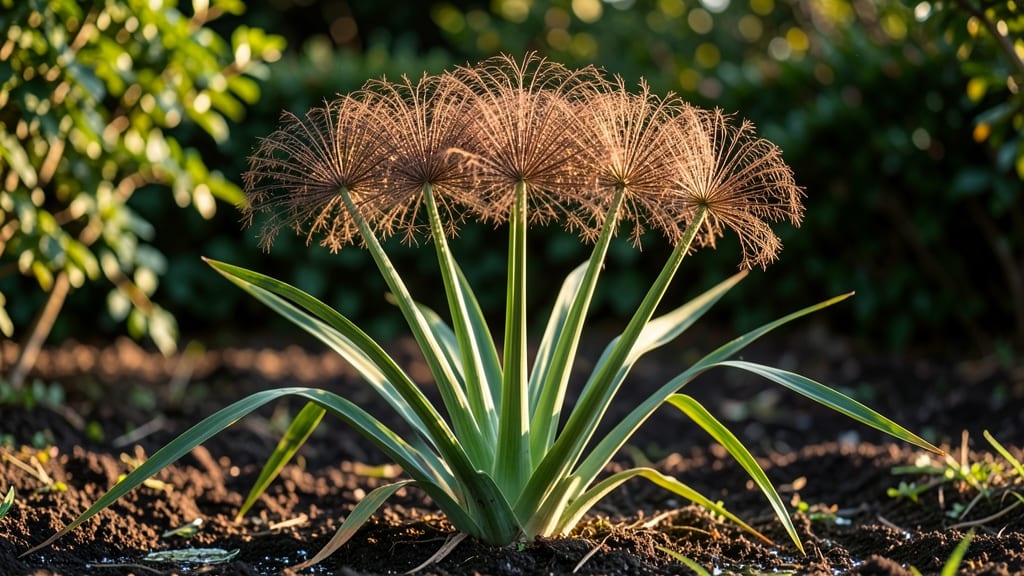
If you're dreaming of adding a touch of ancient Egypt to your garden—or even your living room—you might be wondering just how tall does papyrus plant grow before it becomes a maintenance nightmare.
The answer isn’t one-size-fits-all, but with the right conditions, this iconic 🌿 can reach heights that’ll make your space feel like a tropical paradise.
In its natural habitat, papyrus can soar to 10-15 feet, towering over most backyard plants and even some small trees.
But don’t let those numbers scare you off—whether you’re growing it outdoors in USDA Zone 6 or indoors near a sunny window, we’ll break down exactly how to control its growth. Too much space? No problem. Too little? We’ve got hacks for that too.
What’s most exciting is how adaptable this plant is. With the right balance of sunlight, water, and container size, you can keep it compact enough for a patio pot or let it stretch its legs in a pond-like setting.
The key is understanding the factors that push it toward sky-high glory—or keep it at a manageable 4-6 feet for urban gardens.
Ready to transform your space with this striking plant? Let’s dive into the secrets of papyrus growth—so you can decide whether you want a miniature version or a full-blown statement piece. Your garden (or indoor jungle) will thank you!

Papyrus plant height ranges: indoor vs outdoor growth comparison
The papyrus plant (Cyperus papyrus) is a dramatic statement piece in any garden, but its height varies dramatically between indoor containers and outdoor wetlands.
In ideal conditions, outdoor papyrus can reach 10–15 feet tall, while indoor specimens typically max out at 3–6 feet due to space and light limitations. Understanding these differences helps you plan for the perfect tropical oasis or apartment-friendly version.
Outdoor papyrus thrives in waterlogged soils or shallow ponds, where it grows aggressively toward the sun. Indoor plants, however, are often container-bound, which restricts their vertical growth but allows you to control their height with pruning.
Whether you want a garden focal point or a living room centerpiece, knowing these ranges ensures you set realistic expectations.
Here’s how the two environments compare in terms of height potential, growth speed, and care requirements:
| Factor | Outdoor Growth | Indoor Growth |
|---|---|---|
| Mature Height | 10–15 ft (taller with ideal conditions) | 3–6 ft (container-limited) |
| Growth Speed | 2–3 ft/year (rapid in wetlands) | 1–2 ft/year (slower in pots) |
| Sunlight Needs | Full sun (6+ hours) | Bright light (4–6 hours) (south-facing window) |
| Water Requirements | Shallow water or soggy soil | Consistently moist soil (no standing water) |
| Container Size | N/A (in-ground or ponds) | 12"+ diameter (deeper for stability) |
Outdoor papyrus plants grow taller and faster because they have unlimited space to spread their shallow root system and reach for sunlight. In contrast, indoor plants hit a growth ceiling due to root-bound conditions and limited light.
If you’re growing papyrus indoors, aim for a large container (at least 12" in diameter) to encourage some vertical growth without sacrificing stability.
For outdoor gardens, papyrus plants can become invasive if not contained, so plant them in pond edges or wetlands where they can thrive without crowding other plants. In containers, they’re far more manageable but still require regular pruning to control height and shape.
If you’re dreaming of a miniature papyrus for your patio or balcony, don’t worry—there are ways to keep it compact! While no true dwarf varieties exist, strategic pruning and container size can mimic a smaller stature. For now, focus on the height ranges above to match your space’s needs.
Pro tip: Place your indoor papyrus near a south-facing window to maximize light exposure, which directly impacts height. Without enough sunlight, your plant may grow leggy and weak, reaching for light instead of developing a sturdy, upright form.
Whether you’re aiming for a towering 15-foot giant or a 3-foot tabletop centerpiece, understanding these growth differences ensures your papyrus plant thrives in its environment. Next, we’ll dive into the 5 key factors that control its height—and how to optimize them for your space.
🌿
Papyrus plant height ranges: indoor vs outdoor growth comparison
If you're dreaming of a papyrus plant that towers over your garden like an ancient Egyptian obelisk, you're in for a treat—but the reality depends entirely on where you grow it.
In outdoor conditions, this iconic plant can reach its full majestic height of 10 to 15 feet, creating a dramatic focal point in ponds, water gardens, or marshy areas.
However, when grown indoors, its height becomes far more manageable, typically maxing out at 3 to 6 feet with proper care.
The difference comes down to space, sunlight, and water availability. Outdoors, papyrus thrives in its natural habitat-like environment, while indoors, it’s confined by container size and light limitations. Let’s break down the exact height ranges and what you can expect based on your growing setup.
Papyrus Plant Height Comparison
| Growing Condition | Average Height | Maximum Height | Ideal Setup |
|---|---|---|---|
| Outdoor (Ponds/Marshes) | 10–15 ft | 18+ ft (rare) | Full sun, 6+ ft water depth |
| Outdoor (Containers) | 6–10 ft | 12 ft (large pots) | 20+ gal pot, full sun |
| Indoor (Bright Light) | 3–6 ft | 8 ft (rare) | South window, 10+ gal pot |
| Indoor (Low Light) | 1–3 ft | 4 ft (stunted) | Grow lights, small pot |
Note: Height varies by variety and growing conditions. Cyperus papyrus is the most common tall-growing type.
For outdoor gardens, papyrus plants grow fastest in USDA Zones 8–11, where they can shoot up 3–5 feet per year if given ideal conditions. In cooler climates (Zones 6–7), growth slows significantly, often maxing out at 6–8 feet unless overwintered indoors.
The key is water depth: papyrus roots thrive in 6+ inches of standing water, which fuels rapid vertical growth.
Indoors, the container size is the biggest limiting factor. A 10-gallon pot will restrict growth to 3–5 feet, while a 20+ gallon container can push it toward 6–8 feet.
Place your pot near a south-facing window or under grow lights for at least 6 hours of direct light daily—any less, and you’ll see stunted, leggy growth.
Humidity also plays a role: indoor papyrus plants thrive in 60%+ humidity, so a pebble tray or humidifier can boost height potential.
If you’re aiming for a mini papyrus look without dwarf varieties, pruning is your best friend. Regularly trimming the outer stems encourages bushier, shorter growth. For example, cutting back one-third of the plant in early spring can keep it under 4 feet tall while maintaining its lush, feathery appearance.
Just avoid heavy pruning in winter, as the plant needs energy to recover for the next growing season.
Remember, papyrus plants grow in clumps, not runners, so they won’t spread invasively like bamboo. This makes them ideal for container gardening or small water features.
Whether you’re going for a 15-foot statement plant or a 3-foot tabletop centerpiece, understanding these height ranges helps you plan your space—and your pruning schedule—like a pro.