
Plants
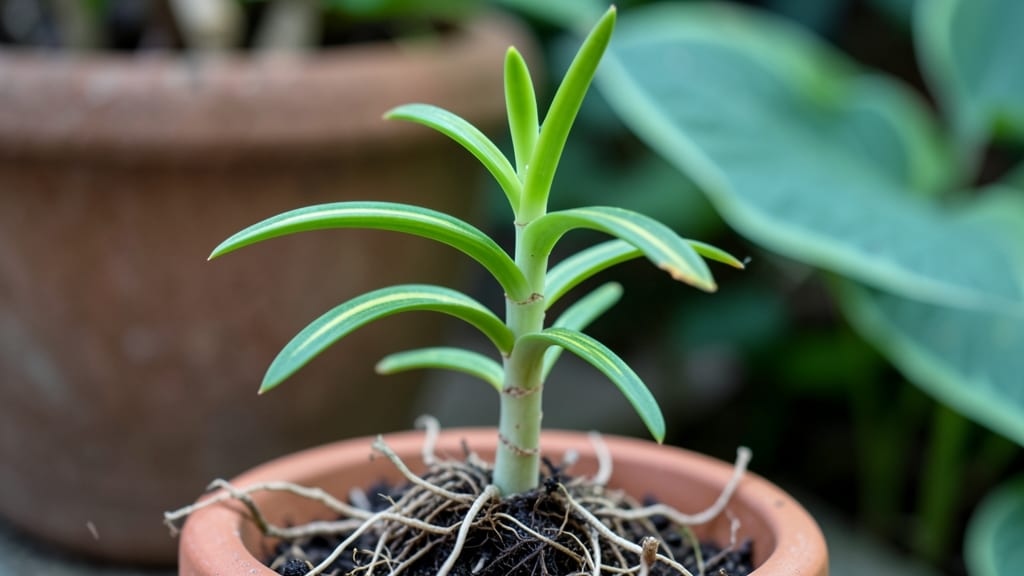
If you're wondering how tall does a snake plant grow, the answer might surprise you—this resilient 🌱 can range from a compact 1 foot to a towering 4 feet, depending on the variety and care.
Whether you're dreaming of a statement plant or a small-space solution, understanding these growth patterns is key to choosing the right spot for your new green companion.
Some snake plant varieties, like the popular ‘Hahnii’, stay petite and bushy, perfect for shelves or desks, while others, such as ‘Futura Superba’, stretch tall and dramatic, making them ideal for floor plants or vertical gardens.
The difference comes down to genetics, sunlight, and even the pot size you choose—so your care habits play a bigger role than you might think.
What’s even more interesting? Indoor snake plants tend to grow slower than their outdoor counterparts, thanks to limited light and space. But don’t let that discourage you—with the right conditions, you can encourage the height (or compactness) you want.
I’ll break down the factors that control growth and share tips to keep your snake plant thriving, no matter how big or small you prefer it.
Ready to learn how to nurture your snake plant for the perfect height? Let’s dive into the varieties, care tricks, and common myths that might be holding back your plant’s potential. You’ll be amazed at how a little attention can transform its growth!

Snake plant height by variety: compact to towering options
Snake plants (Sansevieria trifasciata and hybrids) come in stunning varieties with dramatically different mature heights. Some stay compact enough for windowsills, while others grow tall enough to rival small trees. The key to choosing the right variety lies in understanding their growth habits and space needs.
Whether you have a cozy apartment or a spacious garden, there’s a snake plant perfect for your space.
Most snake plants grow slowly but steadily, with noticeable height increases every 1-2 years. Their upright, sword-like leaves store water, allowing them to thrive even in neglected conditions.
However, their final height is heavily influenced by genetics—some varieties naturally stay short, while others reach impressive heights with proper care.
If you’re short on space, varieties like ‘Hahnii’ (Bird’s Nest Snake Plant) are ideal, topping out at just 12–18 inches tall. These compact plants spread wider than they grow, making them perfect for shelves or desks.
On the other hand, the classic ‘Laurentii’ can grow 3–4 feet tall indoors and even taller outdoors in optimal conditions.
Here’s a quick comparison of popular varieties and their mature heights to help you visualize their potential:
| Variety | Mature Height | Growth Rate | Best For |
|---|---|---|---|
| ‘Hahnii’ (Bird’s Nest) | 12–18 inches | Slow | Desks, shelves, small spaces |
| ‘Futura Superba’ | 2–3 feet | Moderate | Corners, floor plants |
| ‘Laurentii’ (Classic) | 3–4 feet | Moderate | Living rooms, hallways |
| ‘Moonshine’ | 2–3 feet | Slow | Bright spaces, indoor gardens |
| ‘Twisted Sister’ | 3–4 feet | Moderate | Vertical gardens, statement plants |
🌱 Note: Heights can vary based on light, pot size, and care.
Outdoor snake plants often grow taller and fuller than their indoor counterparts due to more sunlight and space. For example, a ‘Laurentii’ planted in a garden bed might reach 4–6 feet over 5–7 years, while the same variety in a low-light indoor setting may max out at 3 feet.
This difference is why many gardeners opt for container growing to control height and mobility.
If you’re planning to grow a snake plant outdoors, consider USDA Zones 9–11, where they thrive year-round. In colder climates, treat them as tender perennials and bring containers indoors during winter. Their drought tolerance makes them ideal for xeriscaping or low-maintenance garden borders.
For indoor growers, pot size matters. A snake plant in a cramped 6-inch pot will grow slowly, while the same variety in a 20-gallon container can reach its full height faster.
Root-bound plants often produce longer, thinner leaves as they stretch toward light, so repotting every 2–3 years encourages balanced growth.
One common misconception is that all snake plants grow tall and leggy. In reality, many varieties—like ‘Hahnii’ or ‘Black Gold’—stay low and bushy. The key to maintaining a compact shape is providing bright, indirect light and avoiding overwatering, which can lead to soft, elongated leaves.
With the right care, even tall varieties can stay proportionate to your space.
Whether you’re drawn to the miniature charm of ‘Hahnii’ or the bold statement of ‘Twisted Sister’, choosing the right variety ensures your snake plant thrives at the perfect height for your home or garden.
Next, we’ll explore how to control growth through light, pruning, and pot selection to keep your plant at your desired size. 🪴
Factors that control snake plant height: light, pot size, and pruning
Your snake plant’s final height isn’t set in stone—it’s shaped by your care choices. The three biggest factors are light exposure, container size, and pruning habits.
Understanding these can help you grow a snake plant that fits your space perfectly, whether you want a compact desk buddy or a towering statement plant.
Bright, indirect sunlight fuels faster growth, while low light slows it down. If your plant stretches too tall with leggy leaves, it’s likely craving more light. Place it near an east-facing window for balanced growth.
Container size matters more than you might think. A snug pot restricts root growth, keeping your plant shorter and bushier. If you want a taller snake plant, choose a pot that’s 1-2 inches wider than its base.
For compact growth, opt for a smaller pot and repot only when roots circle the drainage hole.
- 1. Light Exposure: More light = faster vertical growth. Bright indirect light (e.g., east window) promotes balanced growth.
- 2. Pot Size: Smaller pot = shorter plant. Larger pot = taller growth (but risk of overwatering).
- 3. Pruning: Cutting back brown or leggy leaves encourages new growth from the base, creating a fuller, shorter plant.
- 4. Watering: Overwatering can stunt growth. Let soil dry completely between waterings to avoid root stress.
- 5. Fertilizer: A light spring feed (5-10-10) boosts growth, but avoid fertilizing in winter months.
Pruning isn’t just for cleanup—it’s a tool to shape your snake plant’s height. If your plant grows too tall, trim the top leaves just above a node (the bump where leaves grow). This encourages new shoots to sprout from the base, creating a fuller, bushier plant over time.
For vertical gardens or small spaces, prune regularly to maintain a compact shape. If you’re growing a ‘Futura Superba’ and want it to reach its full 4-6 foot potential, avoid heavy pruning and ensure it gets plenty of light.
Remember, snake plants grow slowly—expect only 2-4 inches of growth per year under ideal conditions. Patience and consistent care will help you achieve the perfect height for your space.