
How To
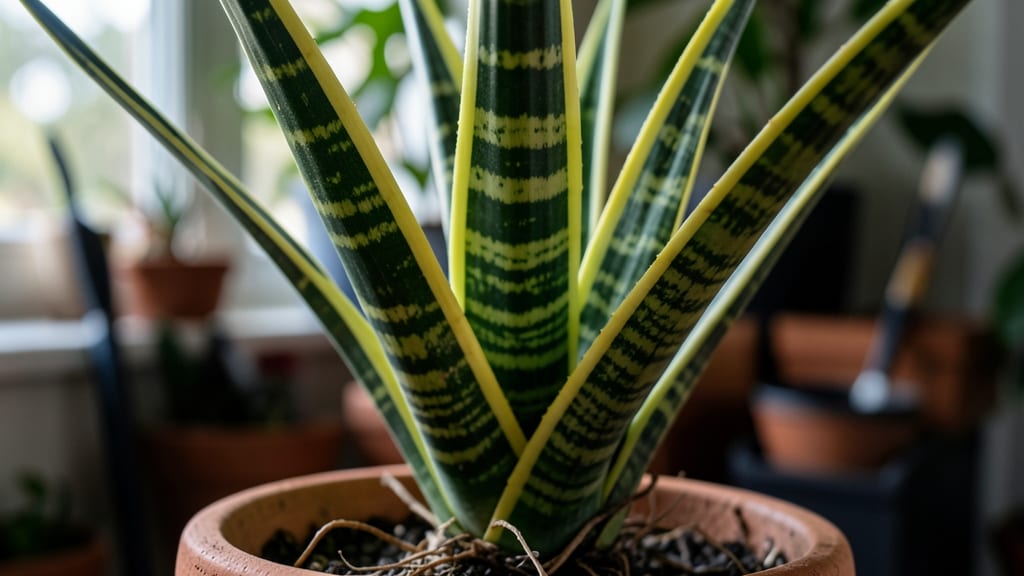
Natural height limits of snake plants: how tall they can grow indoors
Snake plants (Sansevieria trifasciata, also called mother-in-law's tongue) are famous for their resilience, but their height potential often surprises new plant parents.
Under ideal conditions, these architectural plants can reach 3 to 4 feet tall indoors, though some varieties—like the dwarf 'Futura Superba'—stay compact at just 1 to 2 feet. The key difference? Genetics, care, and your home’s environment. Let’s explore how these factors shape your snake plant’s vertical growth.
Most snake plants grow 1 to 2 feet in their first year, then add 6 to 12 inches annually if given enough space and light. The tallest varieties, like 'Moonshine' or 'Laurentii', can stretch toward ceilings in 3–5 years, while bushier types (e.g., 'Hahnii') prioritize width over height.
Even in low light, they’ll grow—just slower. Think of them as the low-maintenance skyscrapers of the plant world.
🌱
| Variety | Mature Height (Indoors) | Growth Rate | Light Needs |
|---|---|---|---|
| Sansevieria trifasciata 'Laurentii' | 3–4 ft | 6–12" per year | Bright indirect |
| Sansevieria 'Moonshine' | 2–3 ft | 4–8" per year | Low to bright indirect |
| Sansevieria 'Futura Superba' | 1–2 ft | 3–6" per year | Low light |
| Sansevieria cylindrica | 2–3 ft | 5–10" per year | Bright indirect |
| Sansevieria 'Hahnii' (Bird’s Nest) | 1–1.5 ft | 2–4" per year | Low to bright indirect |
Note: Heights vary with pot size, light, and care. Outdoor plants grow taller (up to 6 ft) with more sunlight.
Light is the #1 factor controlling height. Snake plants grown in bright, indirect light (like an east-facing window) can add up to 12 inches per year, while those in dim corners might only grow 2–3 inches annually.
The trade-off? Darker conditions make them stockier and bushier, while abundant light stretches their leaves upward. Pro tip: Rotate your pot quarter-turns every 2–3 months to encourage even growth and prevent leaning.
Pot size plays a sneaky role too. Root-bound plants stop growing tall but may produce pups (baby plants) instead. If your snake plant’s leaves are yellowing at the base or growing slowly despite good light, it’s likely root-bound.
Upgrade to a pot just 1–2 inches wider than the root ball to unlock vertical growth. Just avoid oversized pots—too much soil retains moisture, slowing growth and risking rot.
Humidity and temperature also tweak height. Snake plants thrive in average household humidity (30–50%), but dry air (common in winter) can stunt growth. A quick fix? Place the pot on a pebble tray with water (not touching the soil) to boost humidity near the leaves.
As for temperature, keep it between 60–85°F. Below 50°F, growth nearly halts, and above 90°F, leaves may scorch—both limiting height potential.
Outdoor snake plants outgrow indoor counterparts by 30–50% thanks to more sunlight and space. In USDA zones 9–11, they can reach 4–6 feet tall in 3–5 years.
But even indoors, with supplemental grow lights (like a 15W LED bulb 12" away for 8 hours/day), you can push growth closer to outdoor limits. Just avoid direct midday sun, which can scorch leaves.
🪴
One common misconception is that older snake plants stop growing tall. While growth slows as they mature (after 5–7 years), they’ll never truly stop—just grow 1–2 inches per year. The real secret to encouraging height? Prune the pups regularly.
When you remove offsets (baby plants), the mother plant redirects energy upward, producing taller leaves. Just avoid cutting more than 30% of the plant at once—aggressive pruning stresses the roots.
For compact growth, limit light to low to medium indirect and keep the plant in a smaller pot. This forces energy into leaf thickness rather than height.
If you love the look of a bushy snake plant but want it taller, try trellising: Gently weave the leaves through a bamboo stake or wire trellis as they grow to guide upward direction. Just avoid tying leaves—snake plants hate being restrained and may develop stress marks.
🌿
How to control snake plant height: pruning, repotting & growth hacks
If your snake plant is stretching toward the ceiling like a jungle vine, don’t panic—you can guide its growth with simple techniques. Whether you want a compact desk plant or a floor-filling statement piece, understanding pruning, repotting, and light tricks gives you control.
Start by trimming leggy leaves to encourage bushier growth, but avoid cutting more than 1/3 of the leaf at once to prevent stress.
Light exposure is the #1 height controller. Place your snake plant in bright, indirect light (like an east-facing window) to slow vertical growth and promote fuller foliage. Too little light?
It stretches like a sunflower, while too much direct sun can scorch the tips. Test its current light spot by rotating the pot quarter-turns weekly for even exposure.
Here’s how to repot strategically to manage height: Choose a pot just 1-2 inches wider than the root ball—snake plants prefer being root-bound to focus energy on leaves, not roots.
Use a well-draining mix (cactus soil + perlite) to prevent soggy roots, which stunt growth. Repot every 2-3 years or when roots circle the pot.
⚠️ Over-Pruning Warning
Cutting too aggressively can shock your snake plant, leading to yellow leaves or stunted growth. Never remove more than 1/3 of a leaf in one session, and always use sterilized scissors to avoid disease. If you’ve pruned too much, reduce watering and place the plant in bright indirect light to recover.
For dwarf varieties like ‘Futura Superba,’ keep them in smaller pots and trim new growth early to maintain a bushy shape. Larger varieties, such as ‘Laurentii,’ will naturally reach 3-4 feet tall indoors—embrace their height by placing them near tall bookshelves or ceilings to create drama.
Divide mature plants every 3-4 years to refresh growth and propagate new plants.
Pro tip: Rotate your plant monthly so all sides get equal light. This prevents lopsided growth and encourages even height across the foliage. Pair this with occasional misting (if humidity is low) to keep leaves plump and upright.
With these tweaks, you’ll have a snake plant that fits your space—whether it’s a tiny windowsill or a room-dividing giant.
Remember, patience is key. Snake plants grow slowly, so changes in height take time. Monitor your plant’s response to adjustments and refine your approach. Soon, you’ll have the perfect-sized snake plant for your home—no ceiling collisions required!