Plants
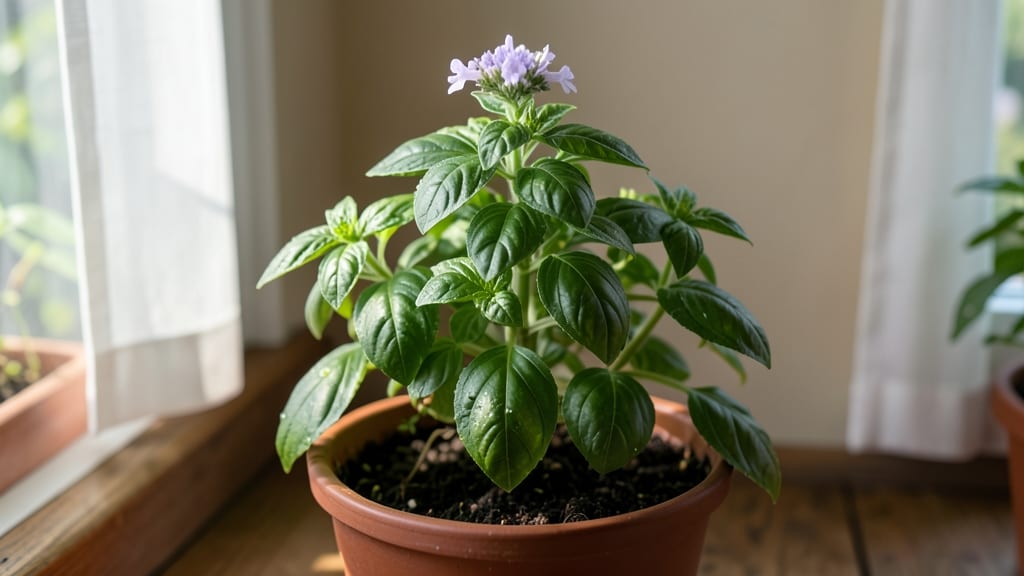
If you’ve ever watched your 🌿 basil stretch toward the sky like a sunflower, you’re not alone—many gardeners assume these plants are destined to grow tall and wild.
But the truth is, how tall can a basil plant grow depends entirely on the variety you’re growing and how you care for it.
Some basil types, like the compact Thai basil, rarely exceed 12 inches, while others, such as Genovese, can reach 2 feet or more if left unchecked.
The key to controlling height lies in pruning, sunlight exposure, and even soil quality—all factors that can turn a leggy plant into a bushy, harvest-ready powerhouse.
Whether you’re growing basil in pots or garden beds, understanding these growth patterns helps you maximize flavor and yield. I’ll break down the height ranges for popular varieties, share pruning secrets to keep plants at your ideal size, and explain when to let them grow tall for the best harvests.
Ready to take control of your basil’s height? Let’s dive into the science—and simple tricks—to keep your plants thriving at just the right size.

Basil plant height by variety: what to expect from Genovese to Thai
If you’ve ever wondered why your basil plant towers over your neighbor’s compact bush, the answer starts with the variety. Some basil types grow like sky-scrapers while others stay neatly contained—here’s what to expect from the most popular types and how to manage their growth for the best harvests.
The average basil height ranges from 6 inches to 2 feet, depending on the variety and care. Dwarf types like Spicy Globe basil stay under a foot tall, while standard varieties like Genovese can reach 18-24 inches if left unpruned.
Understanding these differences helps you choose the right type for your space and pruning goals.
🌱
| Variety | Height Range | Growth Habit | Best For |
|---|---|---|---|
| Genovese | 18–24 inches | Tall, upright | Pesto, containers |
| Thai | 12–18 inches | td style="padding: 10px;">Bushy, aromaticAsian dishes, pots | |
| Purple | 12–18 inches | Compact, decorative | Garden beds, borders |
| Lemon | 12–20 inches | Medium, citrusy | Salads, containers |
| Spicy Globe | 6–12 inches | Dwarf, rounded | Windowsills, small pots |
| Dark Opal | 12–18 inches | Bushy, slow-bolting | Long harvests, pots |
Genovese basil, the classic pesto variety, typically grows 18–24 inches tall and thrives in containers or garden beds. Without pruning, it can stretch taller, but regular harvesting keeps it bushy and productive.
For small-space gardens, dwarf varieties like Spicy Globe (6–12 inches) are perfect for windowsills or tiny pots.
Thai basil, with its anise-like flavor, usually reaches 12–18 inches and has a more compact, bushy growth habit. This makes it ideal for Asian-inspired dishes and smaller containers.
Meanwhile, Purple basil adds visual interest with its deep purple leaves and grows to a similar height, making it a favorite for garden borders.
If you’re growing basil in containers, choose varieties that match your pot size. A 5-gallon container can comfortably hold Genovese or Thai basil, while a hanging basket works well for dwarf types like Spicy Globe.
Always ensure your container has drainage holes to prevent root rot, which can stunt growth and lead to leggy plants.
🌿
One common mistake is assuming all basil grows the same height. Neglected pruning causes plants to bolt upward, sometimes reaching 3 feet or more, while over-pruning can stunt growth. The key is balancing harvesting and pinching to encourage bushiness without sacrificing height.
For example, Dark Opal basil naturally resists bolting, making it a great choice for gardeners who want a longer harvest season.
For maximum leaf production, aim to keep your basil at its ideal height range—typically 6–12 inches for dwarf types and 12–18 inches for standard varieties. This ensures the plant focuses energy on leaf growth rather than flowering.
If you notice your basil sending up flower stalks, it’s time to prune aggressively to reset growth and prevent bitterness in the leaves.
How pruning controls basil height: step-by-step trimming for bushier growth
Pruning isn’t just about keeping your basil from towering like a jungle vine—it’s the secret to a bushier, more productive plant. When you trim correctly, you encourage lateral growth, which means more leaves (and fewer leggy stems) for harvesting.
The key is timing and technique, and I’ll walk you through both to keep your plant at the ideal height of 6–12 inches for most varieties.
Start by pinching off the top sets of leaves when your basil reaches about 6 inches tall. This might sound counterintuitive—why cut off the top if you want more growth?—but it triggers the plant to branch out instead of stretching upward.
Think of it like giving your basil a haircut to shape its future growth. Use your fingers or clean scissors to snip just above a leaf node (the point where leaves meet the stem).
- 🌱 Pinch early: Remove the top 2 sets of leaves when the plant hits 6 inches to encourage branching.
- ✂️ Harvest regularly: Snip 1/3 of the plant at a time, always above a leaf node, to promote new growth.
- 🌿 Prune leggy stems: If stems stretch beyond 12 inches, trim them back to 4–6 inches to reset growth.
- 🚫 Avoid cutting flowers: If you see flower buds, remove them immediately—they signal the plant to bolt and focus on seeds instead of leaves.
- 💧 Water after pruning: Keep soil moist but not soggy to help the plant recover and grow bushier.
Pruning isn’t a one-time task—it’s an ongoing conversation with your plant. Aim to harvest and trim every 2–4 weeks during the growing season (spring to early fall). This keeps your basil compact, flavorful, and productive.
If you notice stems stretching toward the light or leaves getting sparse, it’s time to prune aggressively and give your plant a fresh start. Just remember: the more you cut, the more your basil will reward you with lush new growth.
One common mistake is pruning too late in the season, especially as temperatures drop. Basil slows down in fall, and new growth may not recover well from heavy trims. If your plant starts looking woody or overgrown by late summer, focus on harvesting leaves rather than aggressive pruning.
Save the heavy-duty trimming for early spring when the plant is ready to bounce back quickly.
For container-grown basil, pruning is even more critical because space is limited. Without regular trims, your plant will outgrow its pot and become root-bound, leading to stunted growth and poor flavor.
If you’re growing basil in pots, prune weekly to keep it contained and encourage a dense, bushy habit. Pro tip: Use the trimmed stems in your kitchen (they’re perfect for pesto!) to avoid wasting any part of your plant.
Finally, don’t forget that light and water play a huge role in how your basil responds to pruning. If your plant is light-deprived, it will stretch toward any available sun, no matter how much you trim.
Ensure it gets 6+ hours of sunlight daily and keep the soil consistently moist (but not waterlogged). When you combine proper pruning with ideal growing conditions, you’ll have a basil plant that stays short, bushy, and ready for harvest all season long. 🌱