
Plants
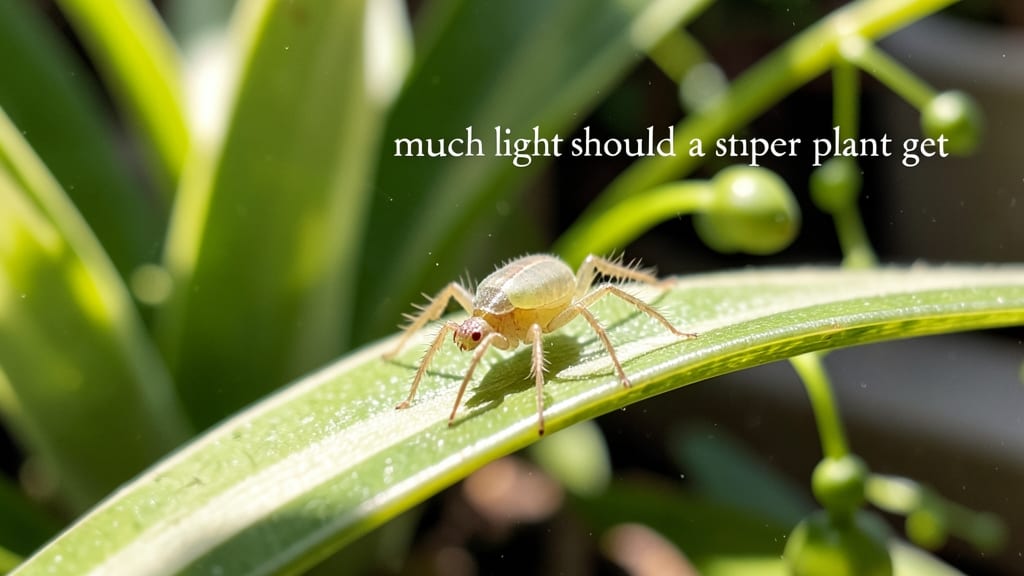
If your Spider Plant 🌿 looks sadder than a sloth on a Monday, you might be getting the light wrong—and it’s easier to fix than you think.
The right amount of bright, indirect sunlight can transform your plant from a struggling survivor to a lush, thriving showstopper in just 3-4 hours a day.
Most people overthink light exposure, but the truth is simpler: too little, and your plant stretches like a sleepy cat; too much, and it burns like a sunburnt tourist.
I’ll break down exactly how to spot the difference and where to place your Spider Plant for that perfect balance—whether you’re in a sun-drenched kitchen or a dimly lit office.
Think your home’s lighting is hopeless? Don’t worry—we’ll cover smart workarounds, from grow lights to the best windowsill spots. With these tips, you’ll have a Spider Plant that’s not just alive, but thriving and ready to propagate like a pro.
Ready to turn your leafy friend from a struggling underachiever into a flourishing star? Let’s dive into the light secrets your Spider Plant has been begging you to uncover.

Ideal light requirements for spider plants: bright, indirect sunlight explained
If you've ever wondered why your spider plant looks lackluster or develops brown tips, the answer likely lies in its light exposure. These hardy plants thrive best with 3-4 hours of bright, indirect sunlight daily.
Unlike sun-worshipping plants, spider plants despise harsh, direct rays that can scorch their delicate leaves. Understanding their ideal light conditions is the first step to nurturing a lush, vibrant houseplant.
Picture this: your spider plant standing near an east-facing window where morning sunlight gently filters through. This is the perfect scenario for these plants. The key is bright but diffused light—think of it as a cozy reading nook where the light is soft yet abundant.
Too little light leads to leggy growth, while too much causes sunburned patches. Finding that sweet spot is easier than you think!
Here's the golden rule: spider plants need bright indirect light, but they can also tolerate low-light conditions if you're willing to adjust their care. For instance, if your home is dimly lit, you might need to supplement with grow lights or rotate the plant periodically.
The goal is to mimic their natural habitat in shady forest understories, where they receive dappled sunlight.
| Light Condition | Ideal Hours | Signs of Correct Light | Signs of Too Much Light | Signs of Too Little Light |
|---|---|---|---|---|
| Bright Indirect Light | 3-4 hours | Deep green leaves, compact growth, frequent spiderettes | Brown or white patches, crispy edges | Pale yellow leaves, elongated stems, sparse spiderettes |
| Low Light | 1-2 hours (supplemented) | Survives but grows slowly, may develop variegation | N/A | Extreme stretching, weak stems, yellowing |
| Direct Sunlight | 0 hours (avoid) | N/A | Immediate browning, leaf burn, wilting | N/A |
Now, let's talk about artificial lighting—a lifesaver for those of us with low-light apartments or offices. If natural light is scarce, a LED grow light placed 6-12 inches above your plant can provide the bright indirect light it craves.
Aim for 12-14 hours of light daily if using artificial sources. I’ve had great success with full-spectrum LED bulbs on a timer, which mimic natural daylight cycles and prevent leggy growth.
Pro tip: Rotate your spider plant every 2-4 weeks to ensure even growth. Plants naturally lean toward their light source, so a quarter-turn keeps them balanced and bushy. This simple habit can transform a lopsided plant into a full, symmetrical beauty.
Think of it as giving your plant a gentle massage to keep it healthy and happy!
For outdoor enthusiasts, spider plants can also thrive in partial shade gardens or under the dappled shade of trees. Just avoid placing them in full sun during peak hours (10 AM–4 PM), where temperatures can soar and leaves may scorch.
If you're growing yours outside during summer, provide afternoon shade or bring it indoors to prevent sunburn.
One common mistake is assuming that more light is always better. While spider plants are adaptable, they’re not desert cacti! Over time, excessive light can cause leaf bleaching or crispy edges. If you notice these signs, move your plant to a shadier spot immediately.
A simple test is to place your hand near the plant—if you can’t hold it comfortably for a few seconds, the light is likely too intense.
Lastly, remember that seasonal changes affect light exposure. In winter, days are shorter, and sunlight is weaker. This is when supplemental lighting becomes even more crucial. I’ve found that placing my spider plant near a south-facing window during winter months gives it that extra boost it needs to stay vibrant.
Even a simple fluorescent bulb can make a world of difference!
Ideal light requirements for spider plants: bright, indirect sunlight explained
Spider plants (Chlorophytum comosum) thrive in bright, indirect sunlight, making them perfect for homes with moderate light. Too little light causes leggy growth, while too much direct sun burns their delicate leaves.
Aim for 3-4 hours of filtered light daily—think dappled shade under a tree or a spot near an east-facing window.
If your home lacks natural light, don’t panic! Spider plants adapt well to low-light conditions, though growth may slow. The key is balancing their light tolerance with their need for moderate brightness to maintain vibrant foliage.
South-facing windows can work if you place the plant 3-5 feet away to avoid harsh rays.
| Light Condition | Ideal Placement | Signs of Correct Light |
|---|---|---|
| Bright Indirect | East/west window, 2-3 ft away | Compact growth, green/yellow variegation |
| Low Light | North window or room corner | Slower growth, darker green leaves |
| Direct Sunlight | South window without filter | Brown leaf tips, crispy edges |
For artificial lighting, use LED grow lights (12-14 hours/day) placed 6-12 inches above the plant. Avoid fluorescent bulbs—they emit too little warmth. Rotate the pot weekly to ensure even light exposure, preventing one-sided growth or stunted spiderettes (baby plants).
Outdoor spider plants? Move them to partial shade during summer months to prevent sunburn. In winter, bring them indoors before temperatures drop below 50°F (10°C). Their flexible light needs make them ideal for beginners, but consistency is key—sudden light changes stress the plant.
Pro tip: Dust leaves every 2-3 weeks to maximize light absorption. A quick wipe with a damp cloth mimics natural rainfall, helping your spider plant photosynthesize efficiently and stay lush.
🌿