
Plants
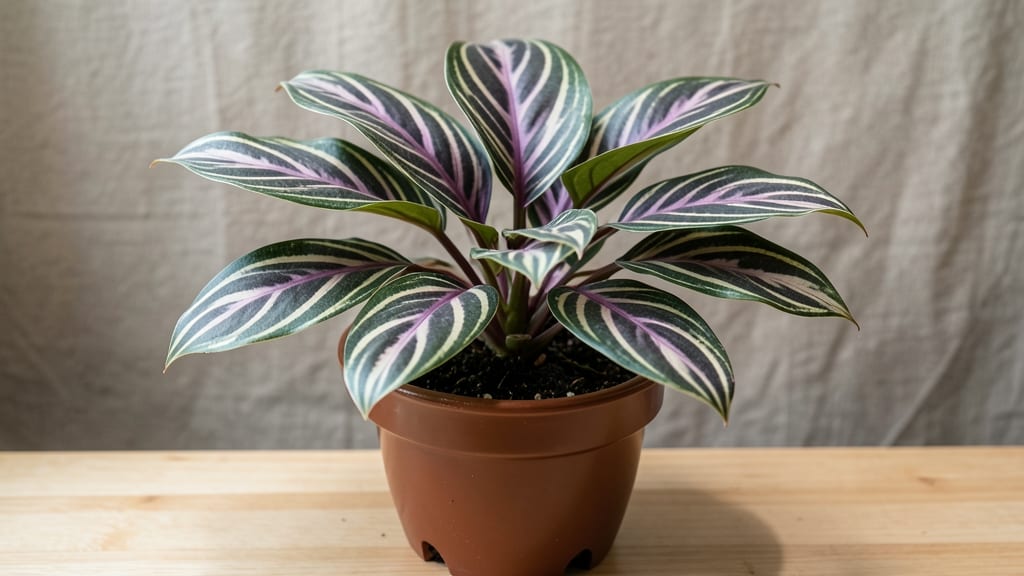
If you’ve ever wondered how much light does a Zebra Plant need to stay vibrant despite your best care, the answer might be hiding in plain sight—light. This stunning houseplant thrives in a specific balance of brightness, and getting it wrong can turn those vibrant stripes into dull, sad shades.
The good news? With the right light conditions, your Zebra Plant will reward you with bold foliage and steady growth.
Most gardeners assume tropical plants like the Zebra Plant need direct sunlight, but that’s a common misconception. In reality, this beauty prefers bright, indirect light, mimicking its native understory habitat. Too much harsh sun?
You’ll see bleached leaves. Too little? The plant stretches awkwardly toward any available light. The key is finding that sweet spot—where your Zebra Plant gets enough energy to flourish without stress.
Let’s break down exactly how much light your Zebra Plant needs to stay happy, from identifying the perfect window spot to troubleshooting signs of light-related stress.
Whether you’re dealing with a dim corner or a sun-drenched room, I’ll show you how to create ideal growing conditions—so you can enjoy those striking zebra-striped leaves year-round.
You’ll also discover how to supplement natural light with grow lights if needed, plus the subtle clues your plant gives when it’s not getting enough (or too much) brightness. By the end, you’ll know exactly where to place your Zebra Plant for optimal health and vibrancy, no guesswork required.

Zebra plant light requirements: ideal brightness levels for healthy growth
Your zebra plant (Aphelandra squarrosa) thrives in bright indirect light, but understanding the exact conditions can be tricky. These plants love the dappled sunlight found under trees or near east-facing windows, where harsh rays are softened.
Too little light leads to pale, dull foliage, while too much causes leaf burn—both are easy to fix once you know the signs.
Think of zebra plants as the goldilocks of houseplants: they need light that’s just right. Unlike sun-loving succulents, they can’t handle direct afternoon sun, which is why many gardeners struggle to keep their leaves vibrant.
The key is mimicking their natural understory habitat, where sunlight filters through leaves above.
Bright indirect light means placing your zebra plant within 2-3 feet of a window with sheer curtains. If you’re unsure about your space, use a light meter app (like Plant Snap) to measure 1,000-2,000 foot-candles—the ideal range for these plants. Artificial grow lights can also work, but they need to be 12-18 inches away for 12-14 hours daily.
The science behind zebra plant light needs lies in their chlorophyll structure. These plants evolved to capture diffused light, which penetrates deeper into their leaves.
When exposed to harsh direct sunlight, their anthocyanin pigments (the compounds that create their striking patterns) break down, leading to bleached or browned leaf tips. Conversely, low light reduces photosynthesis, causing leggy stems and smaller, paler leaves.
If your zebra plant starts developing long, sparse stems, it’s begging for more light. Rotate the pot quarter-turns every 2 weeks to ensure even exposure. For north-facing windows, supplement with a LED grow light (like the Samsung LM300) for 6-8 hours daily.
Avoid south-facing windows in summer, as the intense midday sun can fry the leaves within days.
Seasonal adjustments are crucial. In winter, when natural light dims, move your zebra plant closer to the window (within 1-2 feet). In summer, increase the distance to 3-4 feet or use a light-filtering screen to diffuse the rays.
This mimics the natural light cycles of their tropical origins, where sunlight varies dramatically by season.
Pro tip: Test your light setup by observing your zebra plant’s new growth. Healthy leaves should have bold zebra stripes and a slightly waxy texture. If the stripes fade or the leaves feel soft and thin, it’s time to adjust.
Remember, zebra plants are not low-light survivors like snake plants—they crave brightness but with protection from the sun’s harshest rays.
For gardeners in apartments or shaded homes, consider placing your zebra plant on a sunny balcony with sheer curtains or near a skylight. If all else fails, a south-facing window with a sheer curtain can work, but monitor closely for sunburn signs (brown patches on leaf edges).
The goal is to replicate their natural environment, where they grow under the canopy of taller trees.
Finally, avoid the myth that zebra plants thrive in dim corners. While they can survive in low light, they’ll never reach their full potential.
Invest in a light meter or use the shadow test: if your hand’s shadow is sharper than the plant’s, the light is too harsh. Aim for a soft, diffused glow—that’s the zebra plant’s happy place. 🌿
Zebra plant light requirements: ideal brightness levels for healthy growth
The zebra plant (Aphelandra squarrosa) thrives in bright indirect light, making it perfect for homes with natural light but no harsh midday sun. This tropical beauty needs about 4-6 hours of filtered sunlight daily—think dappled shade under a tree or a spot near an east-facing window.
Too little light leads to leggy growth, while too much causes leaf scorch.
Indoors, position your zebra plant 2-3 feet from a window to mimic its natural understory habitat. If your home lacks bright indirect light, supplement with LED grow lights (12-14 hours/day) to prevent pale foliage.
Avoid south-facing windows, where direct sun can bleach the leaves and damage the plant’s delicate structure.
Natural light varies by season, so adjust your zebra plant’s placement in winter vs. summer. In summer months, move it slightly farther from the window to avoid heat stress.
In winter, if light dims, rotate the pot quarter-turns weekly to ensure even growth and prevent one-sided stretching.
For artificial lighting, choose full-spectrum LED grow bulbs (5000-6500K) and place them 6-12 inches above the plant. Run lights for 12-14 hours daily to replicate daylight. Avoid incandescent bulbs—they emit too much heat and can burn the leaves.
Watch for leaf color shifts as your first clue about light needs. Dark green with yellow stripes means it’s happy, while dull green signals low light, and brown patches mean too much direct sun. Adjust gradually—sudden light changes can shock the plant.
If you’re unsure about your space’s light levels, use a light meter app to measure foot-candles. Aim for 500-1000 foot-candles of indirect light. This range keeps your zebra plant’s striking foliage vibrant and encourages healthy flowering when conditions are just right.