
Plants
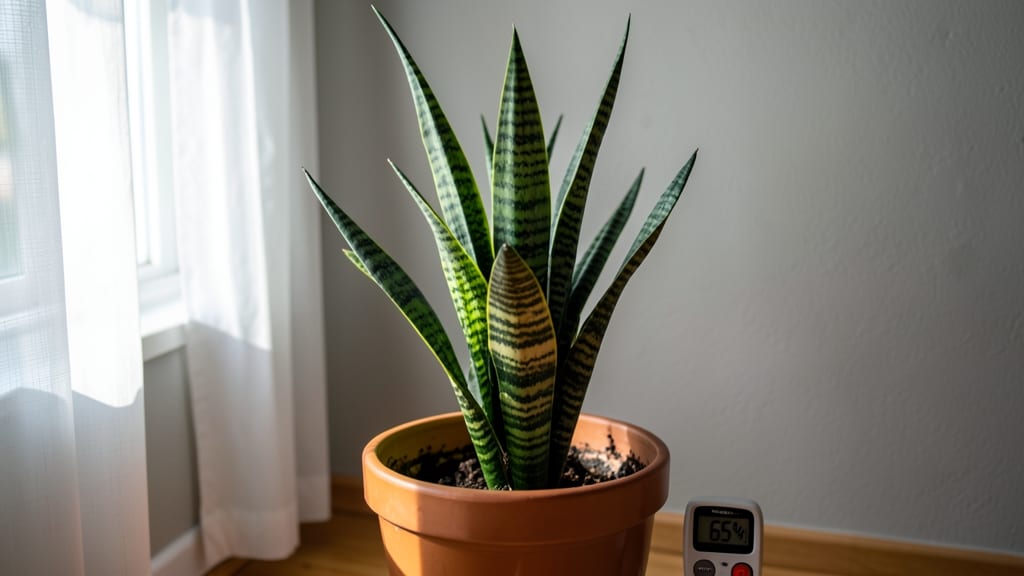
If your rattlesnake plant 🌿 is looking more sad than stunning, chances are its light needs aren't being met. This striking houseplant thrives in bright indirect sunlight—too much direct sun and those gorgeous patterned leaves will crisp up like toast, while too little leaves them dull and droopy.
Most plant guides will tell you to avoid harsh sunlight, but rattlesnake plants are more particular than your average fern. They crave that sweet spot where light is abundant but filtered, like the dappled shade under a canopy of trees.
Without it, you’ll miss out on the vibrant colors and lush growth that make this plant so special.
Don’t worry—getting the lighting right isn’t rocket science. With a few simple adjustments, like positioning it near an east-facing window or adding sheer curtains, you can create the perfect environment.
I’ll show you exactly how to spot the signs of improper lighting and fix them before your plant throws in the towel.
Whether you’re a new plant parent or just trying to revive a struggling rattlesnake plant, these tips will help you bring back its bold beauty. Let’s make sure your rattlesnake plant gets the light it deserves—without frying its leaves in the process!

Optimal light requirements for rattlesnake plants: bright indirect sunlight explained
The rattlesnake plant (Calathea orbifolia) thrives in bright indirect sunlight, making it perfect for indoor spaces with filtered light. Unlike sun-loving plants, it hates direct sun, which causes leaf burn and dulls its stunning patterns.
Aim for 4-6 hours of indirect light daily, mimicking its natural understory habitat.
Think of your rattlesnake plant’s ideal light as morning sunlight through a sheer curtain. East-facing windows are ideal because they provide gentle light without harsh afternoon rays. If your home lacks natural light, grow lights can supplement, but avoid fluorescent bulbs—they emit too little warmth for optimal growth.
Here’s a quick breakdown of what to avoid: Direct midday sun (especially west/south windows) will bleach and crisp leaves, while dim corners cause leggy growth and faded patterns. The goal is consistent, gentle light that keeps foliage vibrant and upright.
🌿
| Light Condition | Ideal Setup | Signs of Stress |
|---|---|---|
| Bright Indirect Light | East-facing window, 2-3 ft away; sheer curtain filter | Healthy, upright leaves with vibrant patterns |
| Direct Sunlight | West/south windows, no filter | Brown crispy edges, faded patterns, wilting |
| Low Light | North-facing window or dim room corner | Leggy stems, pale leaves, weak patterns |
| Artificial Grow Lights | LED grow bulb, 12-14 hrs/day, 6-12 inches away | Consistent growth, no stress signs if spectrum matches natural light |
Seasonal changes can throw off your rattlesnake plant’s light balance. In summer, when sunlight is intense, move it further from windows or use thin curtains to diffuse light.
Conversely, in winter, supplement with grow lights if natural light drops below 4 hours daily. Even small adjustments prevent seasonal stress.
Watch for these telltale signs of light issues: Brown tips often signal too much sun, while yellowing leaves or stretched stems mean insufficient light. Rotate your plant quarter-turns weekly to ensure even growth and prevent lopsided exposure to any light source.
If your rattlesnake plant starts showing stress, act fast. Move it to a shadier spot immediately if leaves scorch, or increase light exposure gradually if growth slows. Remember, slow changes are key—sudden shifts can shock the plant’s delicate foliage.
For office or apartment dwellers, a north-facing window is your best bet—it provides consistent, low-intensity light that mimics the plant’s native conditions. Pair it with a reflective surface (like a white wall or mirror) to bounce extra light toward the leaves without direct exposure.
🌱
How to adjust your home’s lighting for a thriving rattlesnake plant
Positioning your rattlesnake plant (Calathea orbifolia) correctly in your home is the key to unlocking its stunning foliage. Unlike sun-loving plants, this beauty thrives in bright indirect light, making east-facing windows your best friend.
Morning sun (6 AM–12 PM) is ideal—it provides enough light without the harsh afternoon rays that can bleach or burn its leaves.
If your home lacks natural light, don’t despair! A north-facing window or even a well-lit room with sheer curtains can work. The goal is to mimic dappled forest light—think filtered sun through tree canopies.
Avoid south or west windows, where intense afternoon sun can cause leaf scorch or yellowing within days.
🚨 CRITICAL MISTAKE: Placing your rattlesnake plant too close to a window can lead to overheating and dry air, both of which stress the plant. Keep it 2–3 feet away to maintain stable humidity levels.
A simple trick? Rotate the pot quarter-turns every 2 weeks to ensure even growth and prevent lopsided foliage.
For low-light conditions, consider supplementing with a grow light (LED or fluorescent) placed 12–18 inches above the plant for 10–12 hours daily. Avoid cheap bulbs—opt for full-spectrum LEDs designed for houseplants to replicate natural light without the heat.
Test the light’s intensity by holding your hand beneath it; if it feels warm, it’s too strong.
Humidity plays a silent role in light adaptation. Rattlesnake plants crave 50–70% humidity, especially in dry indoor climates. If your home’s air feels crisp, group your plant with others or use a humidifier nearby.
A quick fix? Mist the leaves 2–3 times weekly—just avoid wetting the foliage if using grow lights to prevent mold.
Seasonal shifts matter too! In summer, reduce direct light exposure by adding a sheer curtain or moving the plant slightly farther from the window. In winter, when natural light dims, supplement with a timer-controlled grow light to maintain consistency.
Consistency is key—your rattlesnake plant will reward you with bold patterns and glossy leaves when its light needs are met.
Pro tip: Watch your plant’s leaf language. Pale or stretched-out leaves signal low light, while brown edges or crispiness mean it’s getting too much. Adjust gradually—sudden changes can shock the plant. With the right light setup, your rattlesnake plant will flourish for years as a stunning centerpiece. 🌿