
Plants
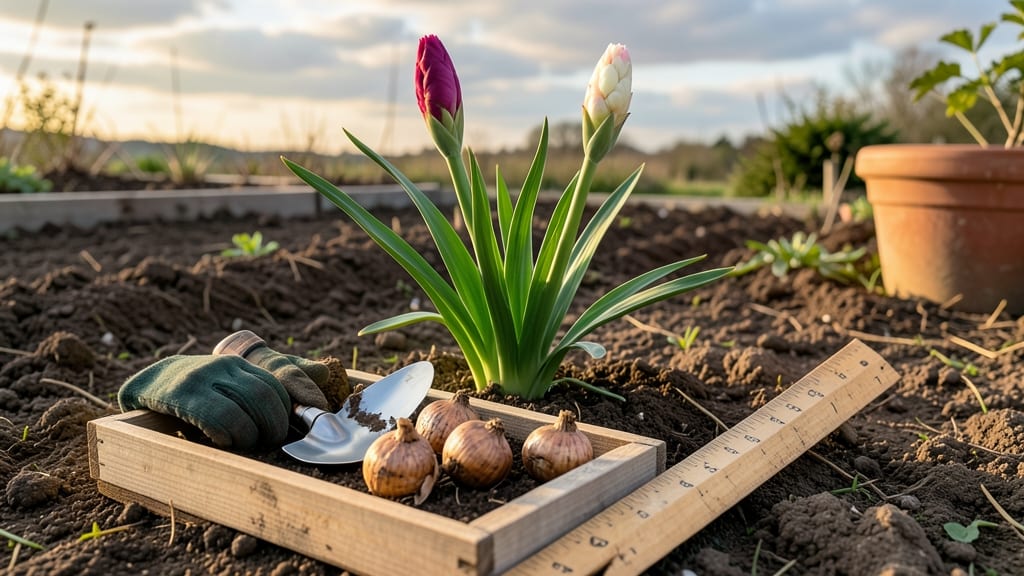
Best months to plant gladiolus bulbs in Tennessee’s climate zones
Tennessee’s USDA zones 6a-7b offer ideal conditions for gladiolus, but the last frost date (typically mid-April) sets the planting window. For reliable blooms, aim to plant between mid-April and mid-May—this ensures bulbs establish roots before summer heat arrives.
Northern Tennessee (Zone 6a) may need a 1-2 week delay compared to Memphis or Nashville (Zone 7b).
Gladiolus bulbs thrive in warm soil (at least 60°F), so don’t rush planting in March—cold soil can stunt growth. If you’re eager to start early, use a soil thermometer to confirm temperatures.
In Zone 7b, you might even squeeze in a late-June planting for fall blooms, but this requires heat-tolerant varieties.
For extended summer color, I recommend succession planting: start with early varieties in April, then follow with mid- and late-season types every 2-3 weeks through May. This staggered approach ensures continuous blooms from July to September.
Soil preparation is just as critical as timing. Gladiolus bulbs rot in waterlogged soil, so amend heavy clay with compost or sand to improve drainage. A slightly acidic to neutral pH (6.0-7.0) works best. In Tennessee’s humid climate, mulch after planting to retain moisture and suppress weeds.
| USDA Zone | Last Frost Date | Ideal Planting Window | Soil Temp Threshold | Bloom Period |
|---|---|---|---|---|
| 6a (Northeast TN) | Mid-April | Late April - Early May | 60°F+ | July - Early Sept |
| 7a (Middle TN) | Early April | Mid-April - Mid-May | 60°F+ | Late June - Sept |
| 7b (West/South TN) | Late March | Early April - Late May | 60°F+ | June - Late Sept |
Tennessee’s microclimates can shift planting dates by 2-3 weeks. For example, elevated areas like the Cumberland Plateau may experience later frosts, while river valleys (like the Mississippi) warm up faster. To adapt, monitor local weather forecasts and use frost-free date maps from your county extension office.
If you’re container gardening, you have more flexibility. Start bulbs indoors in late March and transplant after the last frost. Containers warm up faster, so you can extend the planting window into early June for late-season blooms. Just ensure pots have drainage holes to prevent bulb rot.
For cut flower production, prioritize early May planting—this gives bulbs enough time to establish before the peak summer heat. In Tennessee’s 90°F+ temperatures, gladiolus may bolt prematurely or produce smaller blooms if planted too late.
Always choose heat-tolerant varieties like 'Green Star' or 'Picasso' for better reliability.
One common mistake I see is planting too shallow. Gladiolus bulbs need 4-6 inches of depth—shallow planting exposes them to temperature swings and pests. In Tennessee’s humid summers, deeper planting also helps bulbs avoid fungal diseases like botrytis.
Finally, mark your planting calendar with these key dates: - Mid-April: Last frost (Zone 7b) - Early May: Ideal for succession planting - Late June: Backup for late varieties - Mid-October: First frost (dig up bulbs before cold sets in)
Best months to plant gladiolus bulbs in Tennessee’s climate zones
Tennessee spans USDA Zones 6a-8a, which means your exact planting window depends on where you live. Most gardeners in Zone 6a (eastern Tennessee) should wait until mid-April, while those in Zone 7b (Middle Tennessee) can start as early as late March.
The key is planting after the last frost date, which typically falls between mid-April and early May across the state.
Soil temperature is just as critical as air temperature. Gladiolus bulbs need soil that’s at least 60°F (15°C) to sprout successfully. In Tennessee’s humid climate, this usually aligns with late April to early May, but you can test your soil with a thermometer if unsure.
Waiting for warm soil prevents rot and encourages strong root growth.
For extended blooms, many gardeners plant in two batches: the first in April for early summer flowers and a second in late May for late summer color. This strategy works especially well in Zone 8a (western Tennessee), where summers are longer and hotter.
| USDA Zone | Best Planting Window | Soil Temp Threshold | Key Consideration |
|---|---|---|---|
| 6a (Eastern TN) | Mid-April to early May | 60°F (15°C) | Wait for last frost; cooler nights slow growth |
| 7a (Middle TN) | Late March to mid-April | 60°F (15°C) | Humidity can cause rot; ensure good drainage |
| 7b-8a (Western TN) | Late March to early May | 60°F (15°C) | Longer growing season; consider succession planting |
If you’re in Zone 6a and experience a late frost, don’t panic. Gladiolus bulbs are hardy and can tolerate brief cold snaps if the ground isn’t frozen. However, avoid planting in March unless your soil is workable and frost-free. Cold, wet soil can suffocate bulbs and lead to rot.
For container gardening, you can push the timeline slightly earlier. Containers warm up faster, so late March to early April works well in most of Tennessee. Just ensure your pots have drainage holes and use a lightweight potting mix to prevent waterlogging.
Pro tip: Mark your calendar for June 1st as the absolute latest for planting gladiolus bulbs in Tennessee. After this date, the heat and humidity can stress newly planted bulbs, reducing bloom quality. If you miss this window, opt for late-season varieties like 'Black Star' that tolerate higher temperatures.