
Plants
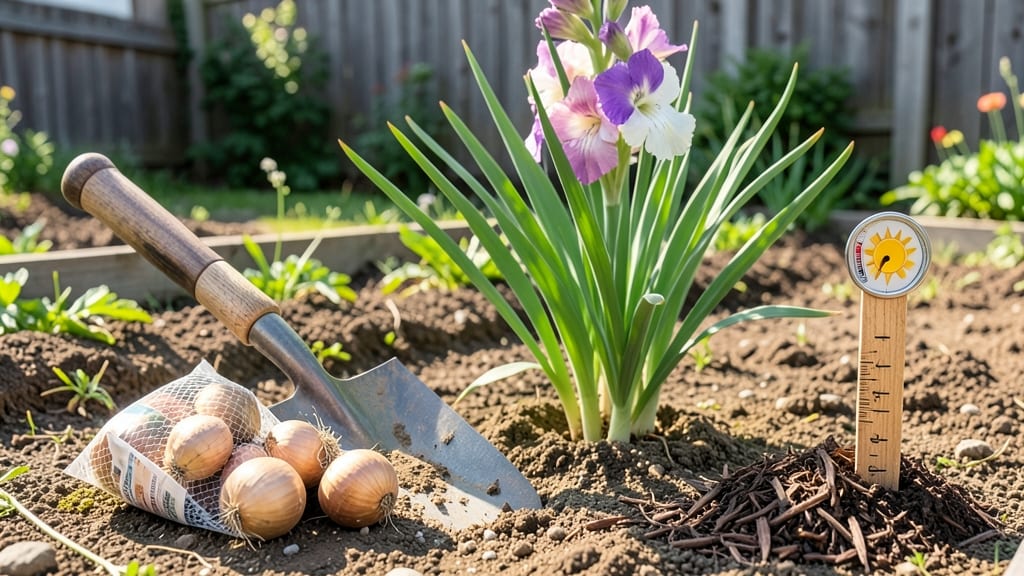
Timing is everything when planting gladiolus bulbs in Connecticut’s unpredictable Zone 6B climate—get it wrong, and your stunning 🌸 blooms could freeze before they even sprout.
The ideal window is tight: late April to early May, when soil temperatures finally hit that sweet spot of 60°F+ and the last frost has passed.
But here’s the catch: Connecticut’s frost dates vary wildly—from mid-April in coastal areas to early May in inland spots like Hartford. That means your neighbors might be planting weeks before you can safely dig in.
I’ll break down the exact dates you need to know, plus how to adjust for your specific microclimate.
You’ll also discover why soil temperature matters more than calendar dates, how to prep your garden for success, and the 5 critical factors that determine whether your gladiolus thrive or flop. Let’s get those bulbs in the ground at the perfect moment!
Whether you’re a first-time gardener or a seasoned pro, these insights will help you avoid common CT-specific mistakes—like planting too early and risking frost damage. Ready to grow show-stopping 🌸 blooms that last from July to September? Let’s dive in.
Gladiolus planting timeline in CT: exact dates based on last frost & soil temperature
Connecticut’s Zone 6B climate means your gladiolus bulbs must be planted at the perfect moment—too early, and a late frost will kill tender sprouts; too late, and your summer blooms arrive after the heatwave.
The ideal planting window is late April to early May, but regional microclimates shift these dates by weeks. Coastal areas like New Haven often warm faster than inland Hartford, so adjust accordingly.
Your last average frost date in CT typically falls between April 15 and May 1, but don’t rely on averages. Check your local frost-free probability—some years, late frosts linger into May.
Planting 4-6 weeks before this date ensures your bulbs sprout safely but avoids the cold snap risks of early March or April.
Soil temperature is just as critical as air temperature. Gladiolus bulbs need soil at 60°F or warmer to trigger consistent germination. In CT, this usually aligns with mid-to-late April in southern regions but may wait until early May in northern areas like Torrington.
Use a soil thermometer to confirm—planting too soon in cold soil stunts growth.
Here’s your CT-specific planting timeline broken down by region and soil readiness:
| Region | Last Frost Date | Soil Temp (60°F+) | Planting Window | Action |
|---|---|---|---|---|
| Southern CT (New Haven, Bridgeport) | April 15-May 1 | Mid-April | Late April | Plant bulbs 4-6 weeks before last frost |
| Central CT (Hartford, New Britain) | April 20-May 5 | Late April | Early May | Wait for soil to warm; avoid early April planting |
| Northern CT (Torrington, Waterbury) | May 1-10 | Early May | Early May | Plant no earlier than May 1; use row covers if frost threatens |
| Coastal Microclimates (Groton, Stonington) | April 10-20 | Early April | Late March-April | Plant early; monitor for rapid warming |
For late varieties or second plantings, you can extend your timeline into early June. These bulbs need 120-150 days to bloom, so a June planting will still yield flowers by late summer—just avoid planting after July 1, as the heat stresses bulbs before they establish.
Pro tip: Use black plastic mulch to warm soil faster in cooler CT regions. Lay it down 2 weeks before planting to raise soil temperatures by 5-10°F, accelerating sprouting and extending your effective planting window by 10-14 days.
Always plant gladiolus bulbs 4-6 inches deep and 6 inches apart in well-draining soil. In CT’s heavy clay soils, amend with compost or sand to prevent rot. Mark your planting spots with biodegradable flags—late frosts can sneak up even after your bulbs sprout.
If you miss the spring window, don’t despair. Gladiolus can also be planted in early fall (late August to September) for blooms the following year. However, this requires 6-8 weeks of warm soil before the first frost, so time it carefully to avoid winter kill.
🌸
5 Critical factors that determine perfect gladiolus planting time in zone 6B
Connecticut’s Zone 6B climate throws curveballs with its late spring frosts and variable soil temperatures, making gladiolus planting a high-stakes game. Unlike tropical plants, gladiolus bulbs need precise conditions to thrive—here’s what truly matters beyond just dates.
First, soil temperature is non-negotiable. Gladiolus corms refuse to sprout until soil reaches 60°F consistently. In CT, this typically happens mid-to-late April in inland areas like Hartford, but 1-2 weeks later in coastal zones like New Haven where ocean breezes delay warming.
| Factor | CT-Specific Consideration | Solution |
|---|---|---|
| Soil Temperature | 60°F+ (Hartford: mid-April | Coastal: late April) | Use soil thermometer; wait for 3 consecutive days above 60°F |
| Late Frost Risk | Average last frost: April 15-May 1 (but can hit June 1 in valleys) | Plant after May 1 or use frost blankets for early varieties |
| Bulb Chilling | Requires 8-12 weeks at 40-50°F (CT winters satisfy this) | Store bulbs in cool, dark basement from November-March |
| Heat Tolerance | Thrives in 75-85°F but wilts above 90°F | Plant in late April for summer blooms; choose heat-tolerant varieties like 'Green Star' |
| Soil Drainage | CT clay soils retain moisture; gladiolus rots in soggy conditions | Amend with perlite/sand; plant on mounds or in raised beds |
Second, late frosts are CT’s cruel joke—even after Memorial Day. The average last frost in Hartford is April 25, but valley areas (like Torrington) can see frost as late as June 1.
My rule? Wait until May 1 for inland CT, or May 15 near the coast unless you’re willing to gamble with frost blankets.
Don’t overlook bulb chilling requirements. Gladiolus corms need 8-12 weeks at 40-50°F to break dormancy—something CT winters naturally provide. But if you’re buying bulbs in March, store them in your cool basement (not the fridge) until planting time to mimic winter conditions.
Heat tolerance is another CT-specific hurdle. While gladiolus loves summer sun, prolonged 90°F+ temperatures (common in July-August) cause buds to abort. To beat this, plant late April for early blooms, or opt for heat-tolerant varieties like 'Green Star' or 'Black Star' that handle CT’s muggy summers better.
Lastly, soil drainage makes or breaks gladiolus in CT. Our clay-heavy soils hold moisture like a sponge, and gladiolus hate wet feet. Before planting, mix in perlite or coarse sand to improve drainage, or plant bulbs on 6-inch-high mounds.
Pro tip: If your soil stays soggy for more than 48 hours after rain, your gladiolus will rot before they bloom.