
Plants
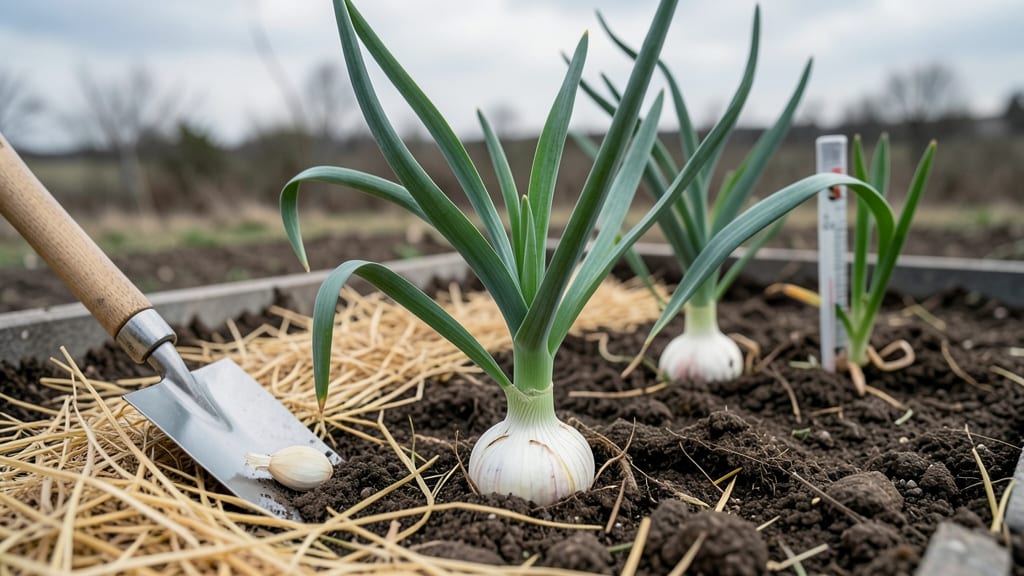
Best planting window for garlic in zone 5A: month-by-month guide
Planting garlic in Zone 5A requires precision—timing your fall planting just right ensures robust bulb development before winter. The ideal window is mid-October to mid-November, giving cloves time to root before the ground freezes.
This 4-6 week lead time before first frost (typically May 15) is critical for success.
In Zone 5A, soil temperatures drop below 40°F by late fall, signaling garlic to stop growing and focus on bulb formation. Planting too early (before October 1) risks premature sprouting, while late planting (after November 15) may leave cloves vulnerable to winter heaving.
Aim for soil temps between 40°F and 50°F at planting time for optimal root establishment.
Your last frost date (around October 15) is your deadline—garlic needs 6-8 weeks of cold dormancy to develop flavorful bulbs. If you miss this window, don’t panic! You can still plant in early December, but yields may be smaller. Just ensure the ground isn’t frozen solid.
Here’s a quick reference for your Zone 5A planting timeline:
| Month | Ideal Planting Time | Soil Temp | Key Consideration |
|---|---|---|---|
| September | Late September (backup) | 50°F–60°F | Risk of early sprouting; best for hardneck varieties |
| October | Mid-October to early November | 40°F–50°F | Optimal window for bulb development |
| November | Mid-November (latest) | 35°F–45°F | Ground must not freeze; smaller yields likely |
| December | Early December (emergency) | Frozen ground (avoid) | Only if soil is workable; yields will be minimal |
Pro tip: Use a soil thermometer to confirm temps before planting. If your soil is warmer than 50°F, wait a week or two—garlic cloves need cool soil to resist rot and encourage root growth. In Zone 5A, this usually aligns with late October for most areas.
For hardneck varieties (like Music or German White), which thrive in cold climates, you can push the envelope slightly earlier. These varieties handle earlier planting better and produce scape shoots in spring, adding bonus harvests. Softneck varieties (like Silverskin) prefer later planting to avoid sprouting.
Don’t forget to mulch heavily (4–6 inches of straw or leaves) after planting. This insulates cloves from temperature swings and prevents winter heaving—when bulbs push up through frozen soil. In Zone 5A, mulch is non-negotiable for consistent yields.
If you’re new to garlic growing, mark your planting date on a calendar and set a reminder for harvest time (July–August). The 6-8 month growing cycle might seem long, but patience pays off with plump, flavorful bulbs that store well through winter.
For a second harvest, you can plant a small batch in early spring (March), but yields will be 50% smaller than fall-planted garlic. Spring planting is best for green garlic or scape harvests rather than full bulbs.
🌱
How clove size directly impacts garlic bulb size in zone 5A
Did you know that the size of your garlic cloves determines how big your bulbs grow? In Zone 5A, where winters are cold and growing seasons are short, selecting the right clove size can mean the difference between small, puny bulbs and plump, flavorful harvests.
Larger cloves (1–2 inches) yield bigger bulbs because they contain more energy reserves to fuel early growth. Smaller cloves, while still productive, simply can’t compete in size.
Think of it like planting seeds: a large clove is like planting a jumbo seed packet—it gives your garlic a head start. In Zone 5A, where the ground freezes early, this head start is critical.
The larger the clove, the more roots and shoots it can produce before winter sets in, leading to a healthier, more robust bulb by harvest time.
Here’s the science: Garlic bulbs form from the basal plate at the bottom of the clove. A bigger clove means a larger basal plate, which translates to more bulb segments (cloves) and a thicker stem.
In colder climates like Zone 5A, this extra size helps the plant survive dormancy and bounce back faster in spring.
| Clove Size | Bulb Size at Harvest | Number of Cloves per Bulb | Zone 5A Growth Advantage |
|---|---|---|---|
| Small (0.5–1 inch) | 1–2 inches diameter | 3–6 cloves | Slower early growth; more vulnerable to frost |
| Medium (1–1.5 inches) | 2–3 inches diameter | 6–10 cloves | Balanced growth; good for beginners |
| Large (1.5–2 inches) | 3–4 inches diameter | 10–15 cloves | Faster root/shoot development; thrives in cold climates |
*Based on hardneck garlic varieties like Music or German White, common in Zone 5A.
To maximize your harvest in Zone 5A, start by sorting your garlic bulbs before planting. Break apart a bulb and separate the largest cloves for planting. Save the smaller ones for green garlic or cooking—you’ll still get flavor, just not the same yield.
Store your cloves in a cool, dry place (like a mesh bag in the fridge) until planting to keep them firm and ready to grow.
Pro tip: If you’re using garlic from the grocery store, skip it—those cloves are often treated to prevent sprouting and won’t grow well. Instead, buy organic, untreated garlic bulbs from a nursery or seed catalog.
Look for hardneck varieties, which are better suited to Zone 5A’s cold winters and tend to produce larger bulbs.
Once you’ve selected your cloves, soak them in water for 4–6 hours before planting to encourage root growth. This step is especially important in Zone 5A, where the ground can be cold and slow to warm up in spring.
Planting pre-sprouted cloves gives your garlic a critical head start before the first frost hits.
Remember, in Zone 5A, time is of the essence. Plant your largest cloves in October or early November, and you’ll reward yourself with bigger, more abundant garlic bulbs come harvest season. The extra effort in selecting and preparing your cloves pays off in flavor and size—worth every minute!