
Planting
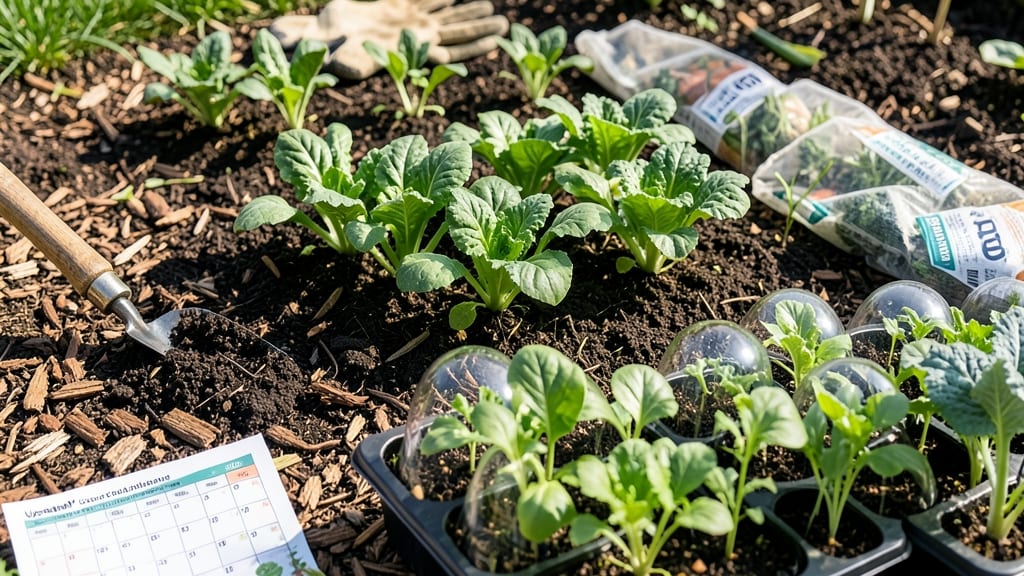
Timing your garden planting in Upstate NY can feel like playing a high-stakes game of chance—one wrong move, and your 🌱 garden could end up stunted or lost to frost.
But here’s the secret: knowing the exact planting windows for your specific microclimate (whether you’re in Albany, Syracuse, or the Adirondacks) makes all the difference between a thriving harvest and wasted seeds.
Upstate NY’s USDA Zones 5-6 mean your planting schedule isn’t one-size-fits-all. False springs, late frosts, and varying elevations can throw off even the most experienced gardeners.
That’s why I’ve broken down the critical deadlines you need to know—from cool-season crops like lettuce to warm-season favorites like tomatoes—to ensure your garden thrives when the weather finally cooperates.
You’ll also discover how to extend your growing season with simple tricks like row covers and cold frames, so you can squeeze in extra harvests before the first frost.
Whether you’re a beginner or a seasoned gardener, these zone-specific tips will help you avoid common mistakes and maximize your yield—no guessing required.
Ready to turn your Upstate NY garden into a year-round success? Let’s get started with the perfect planting timeline for your region’s unique climate.
Upstate NY planting zones: key dates by last frost average
Upstate New York spans USDA Zones 4-6, meaning your planting schedule depends heavily on your exact location. For example, Albany (Zone 5b) typically has a last frost around May 10-15, while Buffalo (Zone 6a) often sees its final freeze by May 1-5.
The Adirondacks, however, can run 1-2 weeks later due to higher elevations.
Cool-season crops like lettuce and spinach can handle light frosts, so they’re safe to plant 4-6 weeks before your last frost date. Warm-season crops such as tomatoes and peppers need soil temperatures above 60°F—usually mid-May in most areas.
Here’s a quick reference for your region:
| Region | Last Frost Date (Avg.) | Cool-Season Start | Warm-Season Start |
|---|---|---|---|
| Albany (Zone 5b) | May 10-15 | April 1-15 | May 15-20 |
| Syracuse (Zone 5a) | May 5-10 | March 25-April 5 | May 10-15 |
| Buffalo (Zone 6a) | May 1-5 | April 1-15 | May 10-15 |
| Adirondacks (Zone 4b) | May 20-25 | April 15-May 1 | June 1-5 |
For perennials like asparagus or rhubarb, plant crowns in early spring (March-April) when soil is workable but not soggy. These plants need 2-3 years to establish before heavy harvests, so don’t rush them.
If you’re in a microclimate near lakes or valleys, expect 2-3°F colder temperatures and adjust planting dates accordingly. For instance, Geneva (Finger Lakes) often sees frost 3-5 days later than nearby Rochester.
Always check a 7-day forecast before planting warm-season crops. A late frost in early May can devastate young seedlings—so wait until nighttime temperatures stay above 50°F consistently.
Pro tip: Use biodegradable seed starter pots for warm-season crops. They give seedlings a head start and reduce transplant shock when the soil finally warms up.
🌱
How to extend your Upstate NY growing season for earlier/later harvests
Upstate New York’s short growing season (average 120-150 frost-free days) demands creative solutions to maximize harvests. I’ve learned that cold frames and row covers can push spring planting by 3-4 weeks while extending fall harvests until first frost.
The key is choosing the right tools for your microclimate—whether you’re in the cooler Adirondacks or the slightly warmer Mohawk Valley.
For spring starts, I swear by black plastic mulch to warm soil 5-10°F faster than bare earth. Pair it with a low tunnel (a mini greenhouse over rows), and you can plant spinach and peas 2-3 weeks earlier than the traditional mid-April window.
In my Zone 5 garden, this means first harvests by late May instead of June!
Here’s where I see gardeners struggle: overestimating how much protection row covers provide. A frost blanket might save 2-3°F at night, but it won’t protect against a hard freeze (<28°F). That’s why I always check the National Weather Service’s frost advisory before committing to early plantings.
Cold Frames vs. Row Covers: What Works Best?
Cold Frames
- Pros: Extends season 4-6 weeks both sides
- Pros: Warms soil 10-15°F above ambient
- Pros: Reusable for years
- Cons: Requires daily venting to avoid overheating
- Cons: Higher upfront cost ($30-$100)
Row Covers
- Pros: Lightweight (1-2 lbs) and portable
- Pros: Protects against light frosts (28-32°F)
- Pros: Cheap ($10-$25 per 100 sq ft)
- Cons: Only extends season 2-3 weeks
- Cons: Needs stakes/hoops for support
💡 Best for Upstate NY: Use row covers for early spring/late fall, cold frames for heat-loving crops like tomatoes.
Don’t overlook succession planting—this is my secret weapon for continuous harvests. Instead of planting all your lettuce or radishes at once, stagger seeds every 2 weeks from May through July. In my Syracuse garden, this means fresh radishes every 3 weeks from June to September!
For heat-loving crops like peppers and eggplants, I’ve had success with heat-tolerant varieties (e.g., ‘Carolina Wonder’ peppers) paired with black plastic mulch. These varieties can handle 90°F+ soil temps better than standard types, giving you 2-3 extra weeks of harvest time before fall frosts hit.
Pro tip: Mark your last frost date on your calendar, then count backward. For warm-season crops, wait until soil temps hit 60°F+ (use a soil thermometer—they’re $10 and lifesavers!). For cool-season crops, plant 4-6 weeks before last frost to ensure maturity before summer heat sets in.