
Flowers
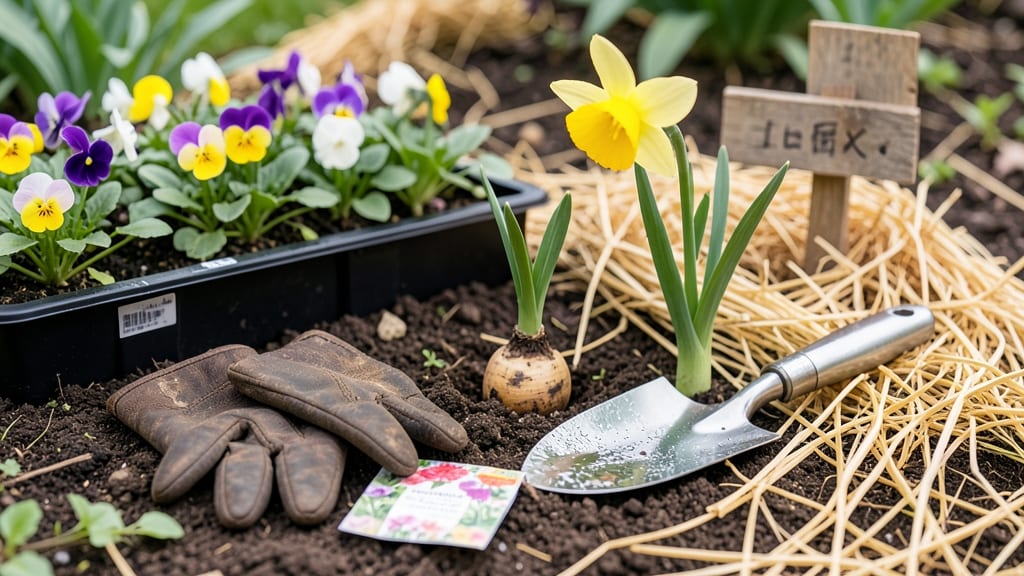
Timing your flowers 🌸 planting in Zone 5 can mean the difference between a vibrant garden and a sad, frost-bitten mess. One wrong move, and your hard work could vanish overnight—literally.
But here’s the good news: with the right schedule, you can enjoy blooms from spring through fall without the guesswork.
Most gardeners in Zone 5 know the basics—wait for spring—but the exact timing varies wildly depending on whether you’re planting cool-season annuals, heat-loving perennials, or frost-hardy bulbs. Miss the window, and you’ll either waste money on plants that won’t survive or end up with sparse, underwhelming blooms.
In this guide, I’ll break down the precise months to plant each type of flower, including when to start seeds indoors and when to tuck bulbs into the soil. You’ll also learn how to adjust for your specific microclimate—because not every Zone 5 garden is the same.
Ready to transform your garden into a year-round showstopper? Let’s get started with the science-backed planting calendar that’ll have your flowers thriving from the first frost-free day to the last.
Zone 5 flower planting schedule by variety type (cool vs warm season)
Zone 5 gardeners face a delicate balance—cool-season flowers thrive in spring's chill, while warm-season bloomers need summer heat to shine. The last frost date (typically mid-May) and first frost (around mid-October) bookend your planting windows.
Ignore these timelines, and you’ll either lose tender plants to frost or miss peak blooms entirely.
I’ve broken down the ideal planting months for annuals, perennials, bulbs, and frost-sensitive varieties based on soil temperatures and local microclimates. Pro tip: Use a soil thermometer—most flowers need 50°F (10°C) soil to germinate or establish roots.
For container gardeners, extend your season by 2-3 weeks using black plastic pots to warm soil faster.
🌱
| Variety Type | Best Planting Months | Soil Temp Threshold | Notes |
|---|---|---|---|
| Cool-Season Annuals | March–April (direct sow) or September (transplants) | 40–50°F (4–10°C) | Pansies, snapdragons, sweet alyssum. Plant 6–8 weeks before last frost for spring blooms. |
| Warm-Season Annuals | May–June (after last frost) | 60–70°F (15–21°C) | Marigolds, zinnias, petunias. Start indoors 4–6 weeks before or buy transplants. |
| Perennials | April–May or September–October | 45–55°F (7–13°C) | Coneflowers, black-eyed Susans, daylilies. Fall planting reduces transplant shock. |
| Spring-Blooming Bulbs | September–October | 50–60°F (10–16°C) | Tulips, daffodils, hyacinths. Plant 6–8 weeks before ground freezes. |
| Fall-Blooming Bulbs | March–April | 50–60°F (10–16°C) | Crocuses, alliums, fall daffodils. Early spring ensures summer blooms. |
For tender perennials like cannas or dahlias, wait until mid-May when nighttime temps stay above 55°F (13°C). These heat-lovers sulk in cool soil. Meanwhile, hardy perennials like lavender or Russian sage can handle April planting as long as you mulch heavily to protect roots from late frosts.
Microclimates matter! If you’re in a sheltered south-facing spot, you can plant warm-season annuals 2 weeks earlier. Conversely, low-lying areas may need to delay until late May. Always check your local cooperative extension service for precise frost dates—mine vary by 3–5 days yearly.
Succession planting is key for continuous color. For example, sow fast-growing annuals like zinnias every 2 weeks from June to August. This ensures blooms when early varieties fade. Pair them with self-seeding flowers like cosmos or nigella for effortless renewal.
🌿
Don’t forget fall planting! Many perennials and bulbs establish roots in cool weather, giving them a head start. Aim to plant 4–6 weeks before first frost (typically by early September in Zone 5). This strategy lets them focus on root growth during winter, not leaf production.
Pro move: Mark your calendar for Memorial Day weekend—this is my cue to plant heat-loving annuals like sunflowers and lantana. By then, soil temps are consistently above 60°F (16°C), and the risk of frost has passed.
For container gardens, use heat-mat trays to warm soil and extend your planting window by 1–2 weeks.
Finally, adjust for shade gardens. Tender annuals like impatiens or begonias can go in late May under partial shade, but they’ll need consistent moisture. Mulch with 2–3 inches of straw to retain soil moisture and regulate temps.
Zone 5 flower planting schedule by variety type (cool vs warm season)
Understanding Zone 5's frost dates is key to successful flower planting. With last frost around mid-May and first frost near mid-October, timing varies dramatically between cool-season flowers (like pansies) and warm-season varieties (like marigolds). Let's break down the exact windows for each type.
For cool-season annuals and perennials, planting begins in early spring (March-April) as soon as soil warms to 40°F (4°C). These hardy flowers—think snapdragons, sweet alyssum, and violas—thrive in cooler temps and often bloom within 6-8 weeks of planting.
The secret? Start seeds indoors 6-8 weeks before last frost.
🌱 Zone 5 Flower Planting Summary
| Variety Type | Best Planting Window | Soil Temp Threshold | Bloom Time |
|---|---|---|---|
| Cool-Season Annuals | March-April (outdoors) / Jan-Feb (indoors) | 40°F (4°C) | 6-8 weeks after planting |
| Warm-Season Annuals | May-June (after last frost) | 55°F (13°C) | 8-12 weeks after planting |
| Perennials | Spring (April-May) or Fall (Sept-Oct) | 45°F (7°C) for spring | Year-round (varies by type) |
| Bulbs (Spring) | Fall (Sept-Oct) | 60°F (15°C) | Spring (April-June) |
| Tender Flowers | Late May-June (after soil warms) | 60°F (15°C) | Summer-Fall (July-Oct) |
Warm-season flowers like geraniums, zinnias, and sunflowers demand patience—wait until after your last frost date (typically mid-May) and when soil reaches 55°F (13°C). These heat-lovers need consistent warmth to germinate, so never rush planting before temperatures stabilize.
For container gardening, extend your season by 2-4 weeks using black plastic mulch.
Fall planting offers a second chance for cool-season flowers like pansies and calendulas. Aim to plant 4-6 weeks before first frost (typically late August-September) to ensure roots establish before winter. Perennials planted in fall often bloom earlier the following spring due to cooler soil temps.
Pro tip: Use biodegradable seed starter pellets for cool-season flowers to jumpstart growth. These pre-moistened coco coir discs maintain ideal humidity and reduce transplant shock when moved outdoors. For warm-season varieties, try a mini greenhouse or row covers to protect young plants from late frosts.
Remember, Zone 5's microclimates vary—south-facing slopes warm faster than shaded spots. Test your soil temperature with a soil thermometer before planting to avoid common mistakes like frost damage or poor germination. With precise timing, your garden will burst with color from spring through fall!