
Flowers
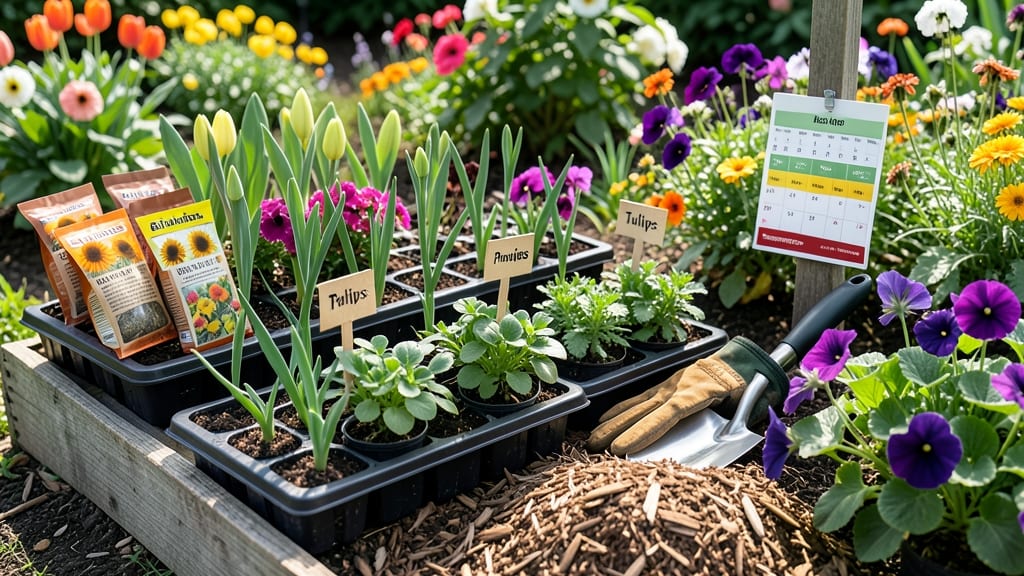
Timing your flower planting in New York can mean the difference between vibrant blooms and a sad, frost-nipped garden—so knowing your zone’s frost-free deadlines is non-negotiable.
With USDA Zones 5-7 across the state, the right window varies from Upstate to NYC, where last frosts hit as late as April 15. Whether you're dreaming of 🌸 daylilies or native wildflowers, getting this right ensures your garden thrives.
Let’s cut through the confusion—because guessing wrong means wasted money and missed blooms. I’ll break down the exact months to plant perennials, annuals, and bulbs, plus how to stretch your season in cooler areas. No more second-guessing: just bold, beautiful flowers that last.
You’ll learn which flowers thrive when planted in early spring vs. fall, and how to prep your soil for maximum growth. From tulips to coneflowers, we’ll cover what works best in your microclimate—so you can skip the trial-and-error and start gardening with confidence.
Ready to transform your yard into a year-round floral showcase? Let’s dive into the perfect planting schedule for your corner of New York—because every season deserves its moment in the sun.
NY flower planting deadlines by USDA hardiness Zone (with frost risk charts)
New York spans USDA Zones 4-7, meaning frost dates vary dramatically from the Adirondacks (Zone 4) to Long Island (Zone 7). Missing the last frost window can leave tender flowers like petunias or marigolds wilted overnight.
For most of NY, the average last frost falls between April 15 (NYC) and May 1 (Upstate), but microclimates—like urban heat islands—can shift this by 1-2 weeks.
To avoid frost damage, I always check the National Weather Service or local Cooperative Extension reports for your exact frost-free date. For example, Albany (Zone 5b) typically sees its last frost 2 weeks earlier than Brooklyn (Zone 7a).
Planting too early in colder zones risks frost-nipped seedlings, while waiting too long in warmer zones can lead to bolting or poor root establishment.
Here’s the critical timeline for NY gardeners: Start cold-hardy annuals (like pansies) in early April under row covers, then transition to heat-loving flowers (zinnias, sunflowers) after May 15. For perennials, fall planting (September-October) gives roots time to establish before winter dormancy.
Pro Tip: Use NY’s frost risk chart to adjust planting dates. Upstate areas (Zones 4-5) should wait until after May 10, while NYC (Zone 7) can start as early as April 1 for hardy varieties.
| Zone & Location | Avg. Last Frost | Safe Planting Window | Heat-Tolerant Backup |
|---|---|---|---|
| Zone 4 (Adirondacks, Catskills) | May 10–15 | May 20–June 1 | Cosmos, Zinnias |
| Zone 5 (Albany, Syracuse) | April 25–May 5 | May 10–15 | Marigolds, Sunflowers |
| Zone 6 (Hudson Valley, Buffalo) | April 15–25 | April 30–May 10 | Petunias, Nasturtiums |
| Zone 7 (NYC, Long Island) | April 1–15 | April 15–April 30 | Geraniums, Vinca |
For late starters, focus on heat-tolerant annuals like portulaca or gaillardia, which thrive in NY’s July-August heat. These varieties can be sown directly into the garden as late as June 15 in most zones.
Pair them with drought-resistant perennials like black-eyed Susans for a low-maintenance summer display.
Perennials like daylilies and coneflowers are NY’s workhorses—they tolerate late spring frosts and humidity fluctuations. I’ve planted them as early as April 1 in Zone 6 with mulch protection, and they’ve bounced back beautifully.
For bulbs (tulips, daffodils), the window is even wider: fall planting (October-November) ensures early spring blooms before the last frost.
Urban NY gardeners often face microclimate challenges, like warmer sidewalks delaying frost or shaded balconies limiting sun exposure. To adapt, I recommend container gardening with fast-growing annuals like basil flowers or nasturtiums, which can be transplanted 2 weeks later than ground plants.
Always check your specific microclimate—a rooftop garden in Brooklyn may have a 2-week later frost date than a rural farm in Ulster County.
Finally, fall planting (September-October) is a NY gardener’s secret weapon. Cooler temps and consistent moisture help perennials establish roots before winter. I’ve had great success with fall-planted peonies and lavender, which bloom earlier and more vigorously the following year. Just avoid planting too close to the first frost
Best flowers to plant early vs. late in NY (and when to avoid them)
New York’s diverse climate means some flowers thrive when planted early, while others wait for warmer soil—so knowing the right timing saves you from wasted effort.
Cool-season annuals like pansies and snapdragons can handle early spring (March-April), but heat-lovers like zinnias and marigolds need to wait until after last frost (mid-April to May).
Perennials like daylilies and coneflowers are more forgiving—they can go in spring or fall, but fall planting (September-October) gives roots time to establish before winter.
Bulbs like tulips and daffodils? Plant them in fall for spring blooms, but avoid late summer—roots won’t have time to anchor before frost.
🌱 NY Flower Planting Guide by Season
Pansies, Snapdragons, Sweet Alyssum
Zinnias, Marigolds, Petunias
Cosmos, Sunflowers, Lantana
Mums, Asters, Pansies (hardy types)
Upstate NY’s cooler microclimates (Zones 4-5) can handle earlier cool-season plantings, but NYC’s urban heat islands (Zone 7) may need later starts for heat-sensitive flowers.
For example, cosmos self-seed easily—plant them in late May to avoid spring frost in the Adirondacks but June in Brooklyn to prevent wilting from summer humidity.
Pro tip: Succession plant heat-lovers like zinnias every 2-3 weeks in June-July to keep your garden blooming until first frost. Pair them with drought-tolerant lavender—it thrives in NY’s dry summers and deters pests naturally.
Don’t overlook native wildflowers like black-eyed Susans or bee balm. They’re low-maintenance, adaptable, and support pollinators—perfect for NY’s variable weather. Plant them in spring or early fall for year-round color with minimal fuss.
For container gardens, stick to compact varieties like bachelor’s buttons or dwarf sunflowers. They tolerate NYC’s tight spaces and can be moved indoors if unexpected frost threatens. Just remember: even containers need well-draining soil—NY’s clay-heavy soil can suffocate roots if not amended.