
Flowers
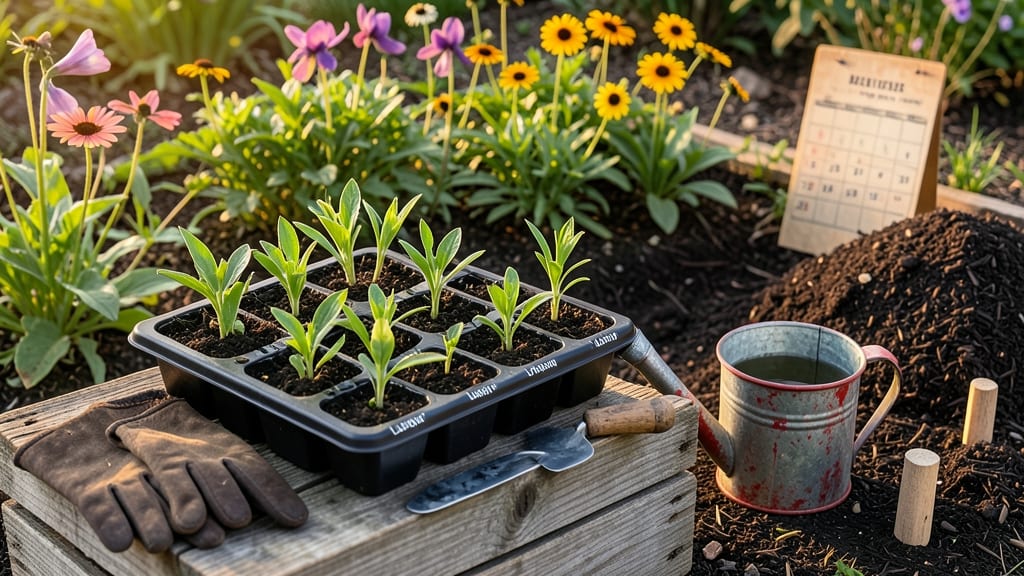
Timing your flowers in Idaho planting just right can mean the difference between a vibrant garden and a sad, frost-bitten disappointment. Idaho’s unique climate—spanning everything from high mountain valleys to dry desert plateaus—means there’s no one-size-fits-all answer.
But with the right approach, you can unlock a garden that bursts with color from spring through fall.
I’ve spent years growing 🌱 flowers across Idaho’s USDA Zones 5–7, and the key is understanding when to plant for your specific microclimate. Whether you’re in the Treasure Valley’s warmer pockets or the cooler high desert, knowing the last frost date and soil temperatures is your secret weapon.
Let’s break down exactly when to get those seeds in the ground for the most stunning blooms possible.
You’ll discover the best months for annuals, perennials, and bulbs—plus how to extend your growing season with simple tricks. No more guessing whether your petunias will survive or your tulips will bloom on time.
By the end, you’ll have a clear, zone-specific roadmap to turn your Idaho garden into a year-round paradise.
Ready to skip the trial-and-error and start planting with confidence? Let’s dive into the exact timing and tips that’ll make your flowers thrive no matter where you are in the Gem State.
Idaho planting Zones: when to plant flowers by USDA Zone (5-7)
Idaho spans USDA Hardiness Zones 3 through 7, but most gardeners focus on Zones 5–7 for flowers. The Treasure Valley (Zone 6–7) enjoys earlier springs, while mountain regions (Zone 5) like Coeur d’Alene face later frost dates.
Your planting window hinges on these zones—get it wrong, and you’ll risk frost damage or stunted blooms.
Use the last average frost date as your guide: late April to early June for most areas. For example, Boise (Zone 7) can plant annuals in March, while Sandpoint (Zone 5) waits until mid-May. Perennials and bulbs often need even later dates to establish roots before winter.
Microclimates matter! A south-facing slope warms faster than a north-facing valley. Urban areas like Meridian may have 2–3 weeks earlier frost-free dates than rural spots. Always check local frost records—your county extension office has the data.
For cool-season annuals like pansies or snapdragons, you can start seeds indoors 6–8 weeks before your last frost date. Heat-loving flowers (e.g., marigolds, zinnias) tolerate transplanting even after frost risk passes, but delicate perennials (e.g., lavender, catmint) need established roots before winter.
Idaho’s alkaline soil (pH 7.5–8.5) affects planting too. Amend with compost or peat moss before planting acid-loving flowers like hydrangeas or azaleas—they’ll struggle otherwise. Test your soil in early spring to adjust pH if needed.
Pro tip: Use row covers to extend your spring planting window by 2–3 weeks. This lets you plant cool-season flowers like calendula or nasturtiums as early as February in Zone 7. Just remove covers when flowers bloom to prevent overheating.
Fall planting is often overlooked but critical for perennials. Plant hardy bulbs (daffodils, tulips) in October–November so they root before winter. Biennials like foxgloves also need fall planting to bloom the next year.
Remember: Idaho’s nights stay chilly well into June in mountain zones. If planting tender annuals (e.g., geraniums, impatiens), wait until soil temps hit 60°F—use a soil thermometer to check. Cold soil slows germination and invites rot diseases.
For a year-round bloom, layer plants: spring bulbs (daffodils), summer annuals (sunflowers), fall perennials (asters), and winter interest (ornamental grasses). This ensures continuous color and hides seasonal gaps.
Best flowers to plant in Idaho by season: timing for maximum blooms
Idaho gardeners know that seasonal timing is everything for vibrant blooms.
While USDA Zones 5-7 guide your overall schedule, specific flowers thrive when planted at precise moments. Spring bulbs like daffodils and tulips need chilly soil in October-November to root before winter, while summer annuals like zinnias and petunias wait until after last frost (typically May-June in most regions).
Fall planting isn’t just for cool-season crops—perennials like mums and asters establish roots in August-September, ensuring robust blooms next spring. Even winter-hardy flowers like snowdrops and hellebores benefit from late-summer planting to avoid early frost stress. Each season offers unique opportunities to extend your garden’s colorful display.
🌱 Pro Tip: Use Idaho’s microclimates to your advantage. Mountain valleys (Zone 5) may need 2-3 weeks earlier planting than the Treasure Valley (Zone 7). Always check your local last frost date—Idaho’s can vary by 10+ days between regions!
- 🌱 Spring Bulbs (Daffodils, Tulips): Plant October-November for spring blooms (Zone 5-7). Chilled soil triggers flowering.
- 🌼 Summer Annuals (Zinnias, Petunias): Start seeds indoors by March, transplant after last frost (May-June).
- 🌻 Fall Perennials (Mums, Asters): Plant August-September for established roots before winter.
- ❄️ Winter-Hardy (Snowdrops, Hellebores): Plant late summer (July-August) to avoid early frost damage.
- 🌿 Early Spring (Pansies, Sweet Peas): Sow seeds September-October for early blooms (Zone 6-7).
For container gardening in Idaho’s urban areas, adjust timing slightly—containers warm faster, so transplant annuals 1-2 weeks earlier than ground plantings. Lavender and Russian sage, Idaho’s drought-tolerant stars, can handle late spring planting (May) but bloom best when established early.
Don’t overlook succession planting! Replace finished spring bulbs with summer annuals in the same spots to maximize bed space. In Zone 5 (northern Idaho), wait until June 1 for heat-loving flowers like marigolds—earlier planting risks frost damage.
Finally, watch for Idaho’s unpredictable weather. A late spring frost in May can delay planting, while early June heatwaves might stress tender seedlings. Keep row covers handy to protect young plants during unexpected cold snaps.