
Flowers
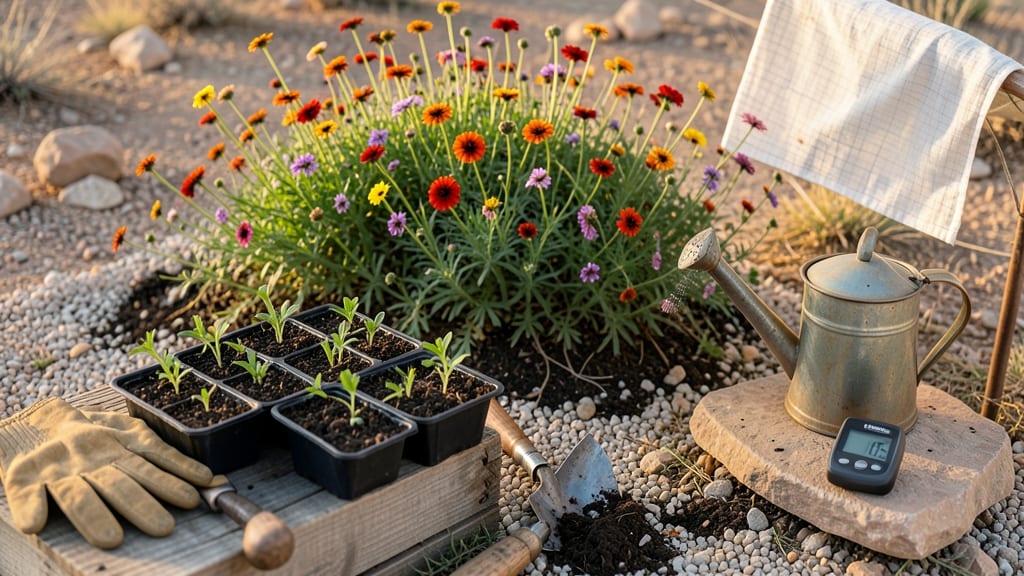
Planting flowers in Arizona might seem tricky—after all, the desert heat can be unforgiving. But timing is everything, and with the right approach, you can enjoy vibrant blooms year-round without the stress.
The key lies in understanding when to plant, whether you're in Phoenix's Low Desert or Flagstaff's cooler High Desert.
Fall is your best friend for most flowers 🌸, giving them time to establish roots before summer’s intensity. But did you know some heat-loving varieties actually thrive when planted in late summer? We’ll break down the perfect windows for both annuals and perennials, so you never miss the mark again.
Beyond timing, soil prep and watering make all the difference in Arizona’s climate. Learn how to prep your garden for success, avoid common mistakes, and even save water while keeping your flowers lush. Let’s make your desert garden a blooming paradise!
Whether you’re a seasoned gardener or just starting, these insights will help you grow flowers that not only survive but thrive in Arizona’s unique conditions. Ready to transform your outdoor space? Let’s get planting!
Best months to plant flowers in Arizona’s climate Zones
Arizona’s diverse climate zones—from the Low Desert of Phoenix to the High Desert of Flagstaff and the Mountain Regions of Sedona—each demand different planting strategies. The key is to align your planting schedule with temperature shifts, monsoon patterns, and frost risks (even if rare in most areas).
For example, September to November is prime for fall planting, while December to February offers cooler windows for winter bloomers. Let’s break down the best times for each zone to avoid heat shock and maximize bloom potential.
In the Low Desert (Zones 9b-11), where summer temperatures often exceed 100°F, planting in late summer (August) or fall (September-October) gives flowers time to establish roots before the monsoon season (July-September) provides natural hydration. Winter planting (December-February) is ideal for cool-season annuals like pansies and snapdragons, which thrive in milder temperatures.
Meanwhile, the High Desert (Zones 7a-8a)—like Prescott—can experience light frosts in December, so September to early November is the safest window for most flowers.
Mountain regions (e.g., Flagstaff, Zones 6b-7a) have shorter growing seasons and cooler nights, making May to June and September the best times to plant. However, July and August are risky due to sudden thunderstorms and hail, which can damage young plants.
Always check your local frost dates (even if rare) and adjust accordingly. For instance, Maricopa County rarely sees frost, while Navajo County might experience 2-3 frost days per year in winter.
For annual flowers, like marigolds or geraniums, you can often get away with late summer planting (July-August) if you provide extra shade and consistent watering during the hottest weeks.
These plants have shorter lifespans and can handle the initial heat stress better than perennials, which need 6-8 weeks to establish strong root systems. For instance, desert roses (Adenium) should be planted in September to avoid root rot from monsoon downpours in their first year.
Soil temperature is another critical factor. In Arizona, soil stays consistently warm year-round, but cooler nights in fall and winter (especially in the High Desert) create ideal conditions for germination. Use a soil thermometer to check if it’s above 60°F—the minimum for most flower seeds. If planting in summer, opt for transplants instead of seeds to bypass the germination challenges of extreme heat.
Don’t overlook microclimates within your area. For example, urban Phoenix can be 5-10°F warmer than nearby agricultural zones due to the heat island effect.
If you’re in a south-facing yard, plant heat-loving annuals like portulaca in late spring (April-May), while north-facing gardens can handle cool-season flowers like sweet alyssum as early as February. Always observe your garden’s sun exposure patterns before selecting a planting window.
Native Arizona flowers are your best bet for low-maintenance success. Plants like ocotillo and prickly pear cactus flowers are drought-resistant and can be planted year-round with minimal care. However, even natives benefit from fall planting, as cooler temperatures reduce transplant shock. Pair your flowers with mulch (like gravel or straw) to retain moisture and regulate soil temperature, which is especially crucial in Low Desert areas where evaporation rates are high.
Timing isn’t just about the calendar month—it’s also about weather forecasts. Keep an eye on NOAA’s monsoon predictions (typically July 7–September 30) to plan for increased rainfall.
If monsoons arrive early, delay planting heat-sensitive flowers like petunias until after mid-July. Conversely, if monsoons are late, pre-water your soil before planting to ensure root establishment during dry spells.
Pro tip: Start seeds indoors 6-8 weeks before your target planting month for delicate annuals like snapdragons or stock. This gives them a head start in the controlled environment of your home, reducing the risk of seedling loss when transplanting outdoors.
Use seed-starting trays with well-draining soil and a grow light to simulate Arizona’s intense sunlight without scorching young plants.
Finally, adjust your watering schedule based on planting time. Flowers planted in fall will need less frequent watering as winter rains increase, while summer-planted flowers require deep, infrequent watering to encourage deep root growth.
Always water early in the morning to prevent fungal diseases like powdery mildew, which thrive in Arizona’s humid monsoon conditions.
Best months to plant flowers in Arizona’s climate Zones
Arizona’s diverse microclimates mean planting times vary dramatically from the Low Desert (Phoenix, Tucson) to the High Desert (Flagstaff, Prescott) and Mountain Regions. The key is planting when soil temperatures stay below 85°F and monsoon rains begin to hydrate the ground naturally.
For most of Arizona, fall and winter are your best windows—avoiding the brutal 100°F+ summers that can fry young plants.
In the Low Desert, where frost is rare and heat lingers year-round, focus on September through November. This gives flowers time to establish roots before spring heat spikes.
Meanwhile, the High Desert and Mountain Regions can handle late summer planting (August) due to cooler nights, but October–November remains ideal for most varieties. Even winter planting (December–February) works for cool-season flowers like pansies or snapdragons.
Visual Guide: Arizona Planting Windows by Climate Zone
| Zone | Ideal Planting Months | Key Cues | Avoid Planting When |
|---|---|---|---|
| Low Desert (Phoenix, Tucson) | September–November | Soil temps <85°F, monsoon rains begin | April–October (extreme heat) |
| High Desert (Flagstaff, Prescott) | August–November | Night temps drop below 70°F | June–July (dry heat stress) |
| Mountain Regions (Sedona, Payson) | September–October | First frost risk after November | May–September (intense sun) |
| All Zones (Cool-Season Flowers) | December–February | Mild days, minimal frost risk | March–April (spring heat) |
Timing isn’t just about months—it’s about weather patterns. In the Low Desert, wait until after the monsoon season (July–September) to plant, as the sudden downpours can drown seeds. Meanwhile, High Desert gardeners should plant before the first frost (usually mid-October), even if it’s still warm.
For container gardens, you have slightly more flexibility—just ensure pots have drainage holes and use lightweight potting mix to prevent overheating.
Pro tip: Use Arizona’s USDA Hardiness Zones (9b–11) as a guide, but local microclimates matter more. For example, Saguaro National Park (Zone 10a) can handle year-round planting for heat-lovers like bougainvillea, while Flagstaff (Zone 6b) needs frost protection for tender annuals.
Always check your last frost date—even if rare, frost can sneak into the High Desert.
For annuals, aim for 6–8 weeks before your first frost (or 60 days before summer heat peaks in the Low Desert). Perennials, like desert marigold or blackfoot daisy, can handle fall planting and often self-seed for next year’s blooms.
The goal? Establish roots before stress—whether that’s heat, drought, or freezing nights.
Start with native flowers like penstemon or blanket flower—they’re already adapted to Arizona’s extremes. For non-natives, acclimate plants gradually by hardening them off for 7–10 days before transplanting. And always water deeply after planting to encourage root growth into the dry desert soil. 🌵