
Plants
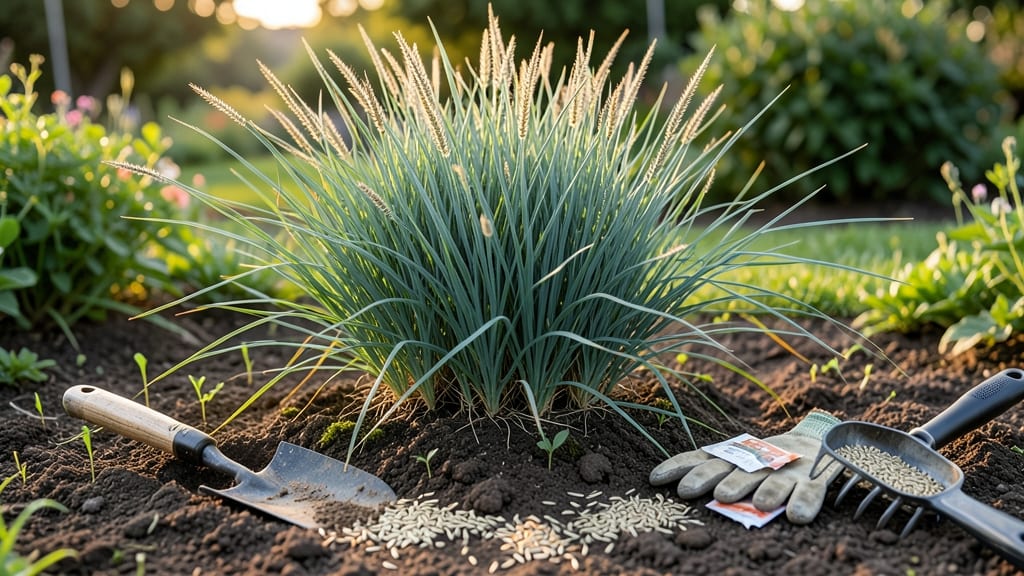
Timing your fescue seed planting in Atlanta can make or break your lawn's success—especially when Atlanta’s sweltering summers and unpredictable springs are in the mix.
Plant too early, and your seeds may bake in the heat; too late, and weeds will steal the show before your 🌱 fescue grass even gets a foothold.
If you’ve ever stared at your calendar wondering, "When’s the perfect window?"—this is your sign to act. Atlanta’s USDA Zone 7b climate demands precision, and the ideal planting windows (late summer through early fall or early spring) aren’t just random dates.
They’re science-backed strategies to ensure your grass thrives while outsmarting Atlanta’s humidity and heat.
I’ll break down exactly when to plant, how to prep your soil for Atlanta’s clay-heavy dirt, and the critical steps to keep your lawn lush year-round—no guesswork required. Let’s get your fescue off to the strongest start possible.
Whether you’re seeding a new yard or reviving an old one, the difference between a thick, green carpet and a patchy mess often comes down to timing. Ready to learn the secrets Atlanta gardeners swear by?
Best planting windows for fescue in Atlanta’s climate zones
Atlanta’s USDA Zone 7b-8a climate creates a narrow but critical window for planting fescue seed. Unlike cool-season grasses that tolerate a wide range of temperatures, fescue thrives when soil temperatures hover between 50°F and 65°F—perfect conditions for germination without stress from summer heat or winter dormancy.
Missing this window means slower establishment, weed competition, or even seed failure.
For Atlanta gardeners, the ideal planting times are late summer to early fall (August through October) and early spring (March through April).
These periods align with the city’s rainfall patterns and soil moisture levels, reducing the need for supplemental irrigation and giving young seedlings the best chance to root deeply before summer’s intensity or winter’s chill.
Here’s why timing matters: Planting in June or July exposes seeds to heat stress, causing them to dry out before germination. Conversely, seeding in November or December risks frost damage before roots establish.
Atlanta’s first frost typically arrives around November 15, so aim to plant 4-6 weeks before to ensure fescue has time to develop a strong root system.
| Planting Window | Soil Temp (°F) | Rainfall (in/month) | Key Considerations | Best For |
|---|---|---|---|---|
| Late Summer (August) | 60-65°F | 4.5-5.0 | High humidity; water early morning | Establishing before heat peaks |
| Early Fall (September-October) | 55-60°F | 3.5-4.0 | Ideal germination; minimal weeds | Best overall window |
| Early Spring (March-April) | 50-55°F | 4.0-4.5 | Watch for late frosts; fertilize lightly | Repairing thin patches |
Atlanta’s humidity levels play a surprising role in fescue success. During August and September, the city’s average 70-80% humidity creates a greenhouse effect, keeping seeds moist longer. However, this also means fungal risks increase if seeds sit too long in damp conditions.
To mitigate this, water lightly in the morning and avoid evening watering to prevent overnight moisture buildup.
For those considering spring planting, focus on March and early April when soil temperatures stabilize above 50°F. This timing allows fescue to outcompete crabgrass and other summer weeds, which germinate aggressively in May.
Use a pre-emergent herbicide in late February to suppress weeds before seeding, but avoid applying it after planting.
Pro tip: Check Atlanta’s NOAA climate data for real-time updates. The Peachtree City station often shows soil temperature trends that can help you adjust your schedule. For example, if soil temps drop below 50°F unexpectedly, delay planting until conditions improve.
Remember, fescue seed should be planted ¼ inch deep and covered lightly with soil. Use a starter fertilizer with high phosphorus (e.g., 10-20-10) to encourage root development. After sowing, keep the soil consistently moist until germination, which typically occurs in 10-21 days under ideal conditions.
Once established, fescue’s deep root system helps it withstand Atlanta’s summer heat and occasional droughts. But timing your planting right ensures your lawn starts strong—giving you a lush, green carpet instead of a patchy, weed-infested mess. 🌱
Best planting windows for fescue in Atlanta’s climate zones
Atlanta’s USDA Zone 7b/8a climate creates a 6-week window for planting fescue seed—but timing matters more than most gardeners realize. The ideal soil temperature for germination sits between 50°F and 65°F, which aligns perfectly with late summer to early fall (August-October) and a brief spring window (March-April).
Missing this window means battling weeds or weak establishment during Atlanta’s intense summer heat.
Fall planting is my top recommendation because cooler temperatures reduce seedling stress while giving fescue time to establish roots before winter. In Atlanta, aim to plant 4-6 weeks before your first frost (typically mid-November), allowing 4-6 weeks of growth before dormancy.
Spring planting is trickier—seedlings must outpace weeds before summer heat sets in, so March is your last chance for success.
Atlanta’s humidity and rainfall patterns also play a role. The city averages 4-5 inches of rain per month in late summer/fall, which helps germination, but drought stress can still occur. I always check the NOAA Atlanta station for 10-day forecasts before planting to avoid dry spells that stall seedling growth.
| Planting Window | Ideal Months | Soil Temp (°F) | Rainfall (in/month) | Key Consideration |
|---|---|---|---|---|
| Fall Planting | August-October | 50-65°F | 4-5 inches | Best success; avoids summer heat |
| Spring Planting | March-April | 55-65°F | 3-4 inches | Race against weeds; limited timeframe |
| Avoid | May-July | 70°F+ | 2-3 inches | High weed competition; drought risk |
For fall planting, I start in early August when soil temperatures drop below 75°F. This gives seedlings time to establish before October’s rainfall peaks.
If you miss fall, March is your only shot—but be prepared to water daily for 2-3 weeks to keep soil moist during Atlanta’s dry spring winds. Pro tip: Use a soil thermometer to confirm temperatures before seeding.
Atlanta’s urban heat islands can push soil temps 5-10°F higher than rural areas, so adjust your schedule if you’re in the city. I’ve seen paved surfaces raise nearby soil temps by 15°F—enough to delay germination.
For these areas, plant 2 weeks later than rural zones to avoid heat stress on young seedlings.
Remember: Fescue needs 4-6 weeks to establish before winter dormancy. Plant too late, and your lawn will struggle to fill in before November’s first frost.
When in doubt, late September is my foolproof month—cool enough for germination but warm enough for growth. Just keep an eye on that NOAA forecast!