Planting
North Carolina fall planting calendar: exact weeks before first frost by region
North Carolina’s diverse climate means your fall planting window varies dramatically from the Coastal Plain to the Mountains. The key is knowing your average first frost date—typically mid-November in the Piedmont, but as early as late October in the Mountains.
For Coastal NC, you’ve got until early December in most years.
To simplify, I’ve broken down planting windows by region, focusing on cool-season crops like broccoli, kale, and spinach, plus heat-tolerant options like collards and turnips. These timelines assume you’re planting seeds or seedlings 4-6 weeks before frost for a harvest before winter sets in.
🌱 Pro Tip: Use the NC State Extension’s frost date map to pinpoint your exact location. Even within regions, microclimates (like urban heat islands or sheltered valleys) can shift your window by 1-2 weeks.
| Region | Avg. First Frost | Planting Window | Best Crops |
|---|---|---|---|
| Mountains (USDA 6a-7a) | Late October | Aug 15 - Sep 15 | Kale, Spinach, Carrots, Radishes, Collards |
| Piedmont (USDA 7a-7b) | Mid-November | Aug 20 - Oct 5 | Broccoli, Brussels Sprouts, Lettuce, Turnips, Beets |
| Coastal Plain (USDA 8a-8b) | Early December | Aug 25 - Oct 15 | Sweet Potatoes, Mustard Greens, Swiss Chard, Peas, Radishes |
| All Regions | N/A | Sep 1 - Oct 10 | Fast-Growers: Arugula, Radishes, Spinach, Lettuce |
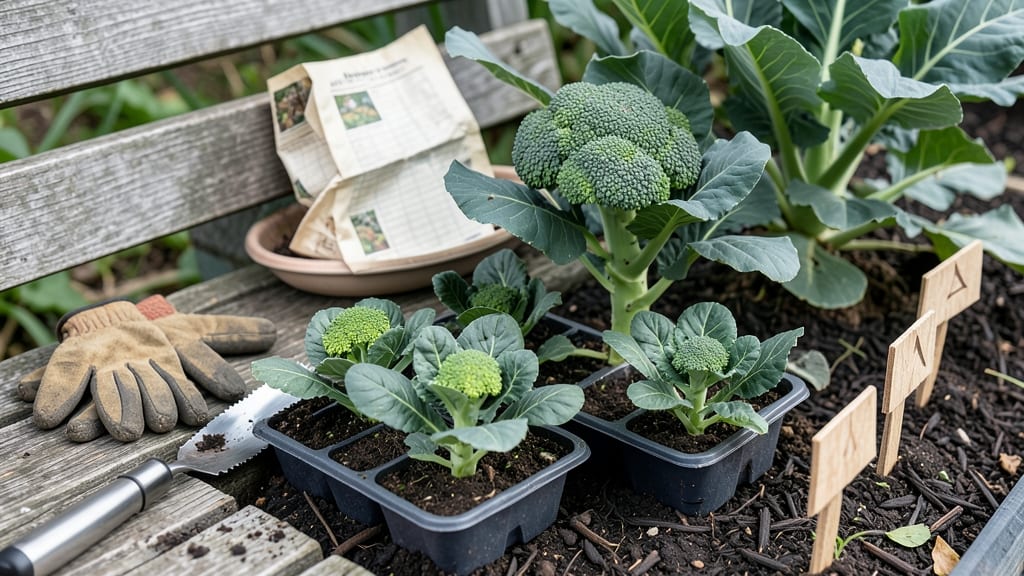
For Mountains gardeners, focus on fast-maturing crops like radishes (30 days) or spinach (40 days). In the Piedmont, you can stretch to broccoli (60-70 days) or Brussels sprouts (90 days) if you plant by early September.
Coastal gardeners have the luxury of late October plantings for sweet potatoes or mustard greens, which thrive in mild winters.
🌿 Regional Hack: In the Piedmont, where nights get chilly earlier, opt for heat-tolerant varieties like ‘Winterbor’ kale or ‘Tornado’ broccoli. These handle 30°F temps without bolting.
If you’re in Zone 8b (Coastal), don’t dismiss winter squash or peas—they’ll mature before frost and even survive light freezes. For Zone 7a (Mountains), stick to leafy greens and root crops that tolerate 25°F without protection.
📅 Succession Planting Tip: In September, sow fast crops like radishes every 2 weeks to ensure a steady harvest. Pair them with slower growers like carrots (70 days) for a staggered bounty.
For extreme precision, check the NC AgClimate toolkit for your county’s 30-year frost averages. A 2-week shift in planting can mean the difference between a bountiful harvest and frost-bitten greens.
🌱 Remember: Soil temps matter just as much as air temps. Aim for 50-60°F soil for seeds to germinate. Use a soil thermometer—cool, damp soil in fall can delay sprouting by days.
Best fall crops for NC gardens: fast-growing vs. slow-maturing varieties
North Carolina’s fall gardening success hinges on choosing the right crops for your region’s microclimate and frost dates. Fast-growing varieties like radishes and lettuce mature in 30-45 days, perfect for late summer plantings, while slower crops like broccoli and kale need 60-90 days to harvest before frost.
Let’s break down the top performers and their ideal planting windows.
In Coastal NC, where first frosts arrive around November 15, you can push the envelope with heat-tolerant crops like collard greens and turnips, which handle cooler temps better than other greens.
Meanwhile, Mountain regions (frost by October 20) demand faster maturing varieties like baby spinach or arugula to avoid early freezes.
Here’s how to match crops to your NC region and harvest goals—whether you’re aiming for quick greens or hearty root vegetables.
| Crop | Days to Maturity | Frost Tolerance | Best NC Region | Planting Window |
|---|---|---|---|---|
| Radishes | 25-30 days | High (survives light frost) | All regions | Aug-Sept (6-8 wks before frost) |
| Lettuce (leaf) | 30-45 days | Moderate (bolt risk) | Coastal/Piedmont | Aug-Oct (4-6 wks before frost) |
| Spinach | 40-50 days | High (cold-hardy) | Mountains/Coastal | Sept-Oct (3-5 wks before frost) |
| Broccoli | 60-90 days | Moderate (heads freeze) | Piedmont/Mountains | July-Aug (8-10 wks before frost) |
| Collard Greens | 50-70 days | Very High (sweeter after frost) | Coastal | Aug-Sept (6-8 wks before frost) |
For Piedmont gardeners, carrots and beets are excellent choices—they mature in 60-75 days and tolerate light frosts, making them ideal for late summer plantings. If you’re in the Mountains, prioritize fast-maturing varieties like bush beans (50 days) or turnip greens (30 days) to beat the early frost.
Pro tip: Succession plant fast crops like radishes every 2 weeks in August for continuous harvests. Slow growers like cabbage (80+ days) should be started indoors in July and transplanted by early August to avoid missing the window.
Remember, soil temperature matters too—cool-season crops thrive when soil drops below 80°F. Test your soil in late July to decide if it’s time to switch from summer crops to fall favorites.