
Trees
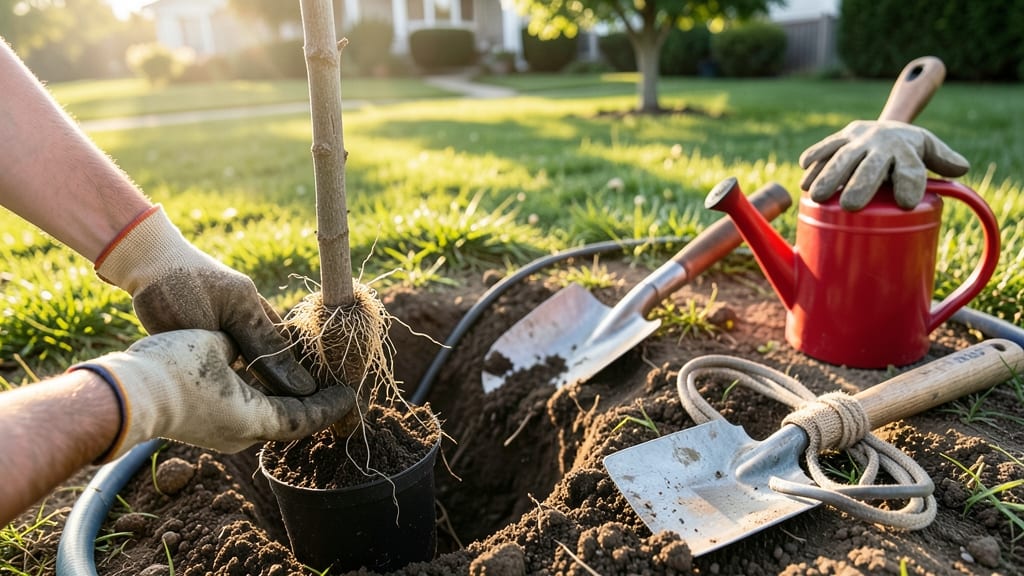
Planting dogwood trees at the wrong time in North Carolina can mean the difference between a thriving 🌳 and one that struggles through frost cycles. The best window isn't just about seasons—it's about soil temperatures, rainfall, and avoiding early freezes that stall young roots.
For North Carolina gardeners in zones 6b-8a, late winter to early spring—February through April—is ideal. This timing gives roots time to establish before summer heat arrives, whether you're planting bare-root or container-grown trees.
But here's the catch: fall planting can work too, if you time it right. The key is getting those roots down before the first frost hits, which varies across the state from November to December. Let's break down exactly when to plant for your specific NC region.
You'll also discover how to prep your dogwood for success—soil prep, watering schedules, and mulching tips—so your tree takes off strong. Ready to plant with confidence? Let's dive in.
Optimal planting windows for dogwood trees in NC: soil temps and frost risk
North Carolina’s diverse climate zones—from the mountains to the coast—mean dogwood trees (Cornus florida) thrive when planted at the right time. The ideal window is between late winter and early spring, but soil temperatures and frost risk play critical roles in your success.
For most of NC, this means February through April, with March and April being the safest months for root establishment before summer heat arrives.
Dogwoods are semi-dormant in early spring, making them less vulnerable to transplant shock than in summer. However, planting too early—before soil warms to 50–60°F—can leave roots exposed to late frosts, while planting too late risks heat stress during the dogwood’s critical first growing season.
Let’s break down the best timing for NC’s three key regions: mountains, Piedmont, and coastal areas.
🌱 Key Insight: Dogwoods planted in fall (October–November) can also succeed in NC’s warmer zones (7a–8a), but this requires extra care to protect roots from winter freezes. For simplicity, we’ll focus on the spring window, which is foolproof for most gardeners.
Use a soil thermometer to confirm 50–60°F soil temps before planting. In cooler zones like Asheville (6b), wait until after March 15 to avoid late spring frosts, which can damage tender new growth.
For coastal NC (8a–8b), you can plant as early as January, but avoid summer heat by finishing by April.
For bare-root dogwoods, plant as soon as soil is workable—typically February in the Piedmont and March in the mountains. Container-grown trees offer more flexibility; you can plant them year-round in mild winters, but spring is still ideal for root establishment.
If you’re in Zone 7b or warmer, early fall planting (October) is also an option, but mulch heavily to insulate roots.
Pro tip: Check your local frost-free date using the NC State Climate Office or Almanac. Planting 4–6 weeks before the last frost ensures roots have time to anchor before summer heat sets in. For example, in Charlotte (Zone 7b), aim for mid-February to early April.
Once planted, water deeply once a week for the first two months to encourage root growth. Mulch with 2–3 inches of organic mulch (like pine straw or shredded bark) to retain moisture and regulate soil temperature. Avoid overwatering, as dogwoods hate soggy roots.
If you miss the spring window, don’t despair—dogwoods are tough trees. You can plant in early fall (September–October), but water consistently until the first frost to help roots establish before dormancy. Just remember: spring planting = easier success for NC gardeners.
🌳
Optimal planting windows for dogwood trees in NC: soil temps and frost risk
North Carolina’s USDA zones 6b-8a create unique challenges for dogwood tree planting. The ideal window spans from late February to early April, when soil temperatures hover between 50°F and 60°F—perfect for root establishment before summer heat stress.
This timing aligns with NC’s last frost dates: March 15 in mountains, April 15 in Piedmont, and March 1 along the coast.
For bare-root dogwoods, prioritize planting 6-8 weeks before bud break (typically by mid-March). Container-grown trees offer flexibility until May, but avoid planting when soil temps exceed 70°F, as roots can scorch. Use a soil thermometer to verify conditions—especially critical in Zone 7b+ areas like Charlotte.
| Planting Window | Soil Temp | Frost Risk | NC Regions |
|---|---|---|---|
| Late February | 45-50°F | High (mountains) | Asheville, Boone |
| March-April | 50-60°F | Low-Moderate | Raleigh, Charlotte |
| May (container) | 60-70°F | None | Coastal NC |
Fall planting is risky in NC due to early frosts (as soon as November 15 in mountains). If you must plant in fall, choose October only in Zone 8a+ (e.g., Wilmington) and use 3-4 inches of mulch to insulate roots.
For most of NC, spring planting ensures 6-8 weeks of root growth before summer droughts hit.
Adjust timing based on microclimates: South-facing slopes warm faster—plant 2-3 weeks earlier—while low-lying areas may need delayed planting to avoid cold air pockets. Check the NC State Climate Office for local frost forecasts before digging.
After planting, water deeply 2-3 times weekly for the first 60 days to encourage root spread. Use a drip irrigation system to maintain consistent moisture, especially in sandy soils (common in eastern NC) that dry out quickly.
Avoid overhead watering to prevent powdery mildew, a common issue in NC’s humid summers.
Pro tip: Mark your calendar for March 15—this is the sweet spot for most of NC’s Piedmont region. By then, soil temps are ideal, and frost risk has dropped below 20%. For container-grown trees, late April is your last chance before summer stress sets in.