
Plants
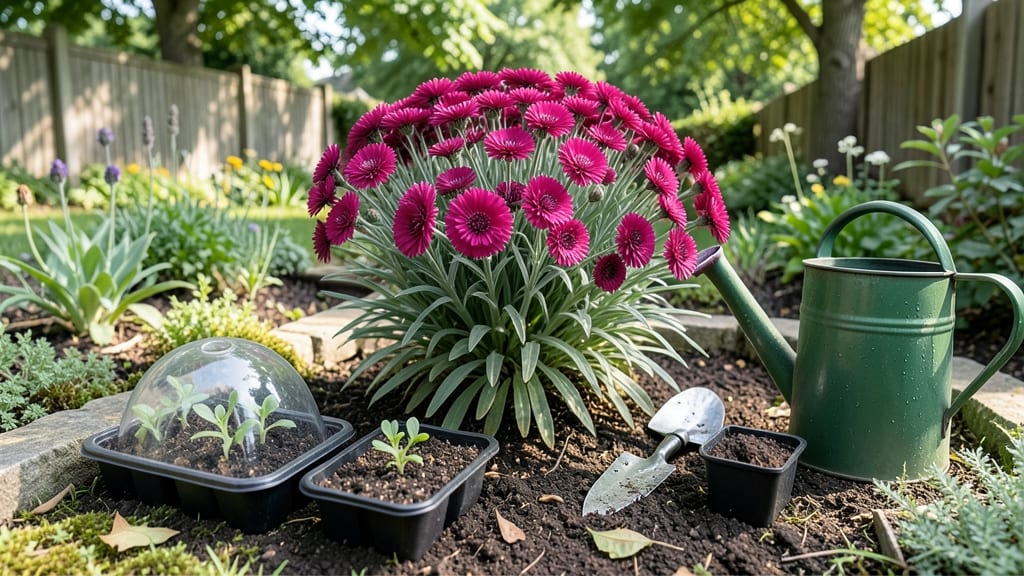
Timing your Dianthus seed planting in Australia can make all the difference between a thriving garden full of 🌸 blooms and seedlings that struggle against the elements. With Australia's varied climate zones—from tropical coasts to cooler highlands—getting the timing right ensures your Dianthus plants take root when conditions are perfect.
For those in Southern Australia, the ideal window is between August and October, when temperatures are mild and frost risk has passed. Meanwhile, gardeners in Northern Australia should aim for February to March, aligning with the start of the cooler season.
These periods offer the best balance of soil warmth and moisture for germination.
But here's the catch: not all regions are created equal. Coastal areas with their frost-free conditions may have more flexibility, while inland or higher-altitude spots need extra care to avoid unexpected chills.
I'll break down exactly what you need to know to plant your Dianthus seeds at the perfect moment—no guesswork required.
Ready to transform your garden into a vibrant display of 🌸? Let's dive into the step-by-step guide tailored to your specific climate zone, so you can enjoy those stunning flowers all season long.
Australia’s climate zones and ideal dianthus planting windows
Australia’s climate zones create unique planting windows for dianthus seeds, with temperate southern regions offering cooler autumn starts while tropical northern zones thrive in late winter. The key difference? Frost risk in southern areas versus year-round warmth in the north.
Let’s break down the ideal timing for each zone to ensure your dianthus blooms flourish.
In temperate zones (like Victoria and Tasmania), aim to sow seeds 4-6 weeks before your last frost date, typically late August to early September. This gives seedlings time to establish before winter chill sets in.
Meanwhile, subtropical areas (e.g., Brisbane and Sydney) can start seeds as early as July, while tropical zones (Queensland and Northern Territory) should plant February to March for spring blooms.
Coastal regions benefit from milder microclimates, allowing slightly earlier sowing than inland areas. For example, Adelaide’s coastal fringe can start seeds in early August, while the Riverland’s inland heat may delay planting until mid-September to avoid summer stress.
Always check your local Bureau of Meteorology frost dates for precision.
| Climate Zone | Ideal Planting Months | Soil Temp Threshold | Key Consideration |
|---|---|---|---|
| Temperate (Melbourne, Hobart) | August–September | 10–15°C | Frost risk after planting |
| Subtropical (Brisbane, Sydney) | July–August | 15–20°C | Humidity and fungal risk |
| Tropical (Darwin, Cairns) | February–March | 20–25°C | Year-round growth potential |
| Alpine (Australian Alps) | October–November | 5–10°C | Short growing season |
For coastal gardeners, prioritize well-draining soil mixes to prevent waterlogging from winter rains. Inland areas should focus on mulching to retain moisture during dry spells. Container growing is ideal for urban balconies, as it lets you move plants to sheltered spots during unexpected cold snaps in subtropical zones.
If you’re in a transition zone (like the Hunter Valley), consider staggered sowing—plant half your seeds in August and the rest in September to spread blooming times. This strategy also helps if your last frost date is unpredictable, as some seedlings will already be established.
Always test your soil temperature before sowing—dianthus seeds need consistent warmth (above 10°C) to germinate.
Use a soil thermometer or press your hand into the soil: if it feels cool to the touch, wait a week or two. Heat mats can help in cooler zones, but avoid over-heating, which can stunt germination.
In northern Australia, where frost is rare, focus on shade protection during the hottest months (November–February). Use light shade cloth (30%) to prevent heat stress while still allowing full sun exposure for vibrant blooms. This is especially critical for dwarf varieties, which are more sensitive to intense sunlight.
Pro tip: Mark your calendar with your local autumn equinox (around March 20th in the Southern Hemisphere). This marks the perfect time to transplant seedlings in temperate zones, as days begin shortening and cooler nights encourage root development.
For first-time growers, start with pre-germinated dianthus plugs instead of seeds. These are hardier and let you bypass the tricky germination phase, which can fail if soil temps fluctuate. Plugs also give you a head start on the blooming season.
Remember: Dianthus thrives on consistency. Whether you’re in frost-prone Tasmania or humid Queensland, the golden rule is to plant when your soil is warm, days are mild, and you’ve got 6+ hours of sunlight daily.
With these conditions met, your dianthus will reward you with months of fragrant blooms.
Australia’s climate zones and ideal dianthus planting windows
Australia’s climate zones dramatically impact when you should plant dianthus seeds. In the temperate zones like Victoria and Tasmania, cool autumn months create perfect conditions for germination.
Meanwhile, subtropical regions such as Queensland and NSW can start sowing in late winter to avoid summer heat stress. Understanding these differences ensures your dianthus flowers thrive year-round.
For coastal areas, milder temperatures allow for extended planting windows—sometimes even year-round in frost-free zones. However, inland regions with hot summers and cold winters require precise timing to avoid seedling damage. Let’s break down the best months for each zone to maximize your dianthus blooms.
🌱
| Climate Zone | Ideal Planting Months | Key Considerations |
|---|---|---|
| Temperate (e.g., Melbourne, Adelaide) | August–October | Avoid frost; soil temp 10–15°C |
| Subtropical (e.g., Brisbane, Sydney) | February–March (or August) | Start indoors for summer heat; high humidity |
| Tropical (e.g., Darwin, Cairns) | June–July (dry season) | Use shade cloth; avoid wet season |
| Alpine (e.g., Australian Alps) | October–November | Wait for last frost; cold-hardy varieties |
In temperate zones, aim for August–October when daytime temperatures hover between 10–15°C. This ensures seeds germinate without risking frost damage. For subtropical areas, February–March is ideal, but starting seeds indoors in winter helps seedlings survive summer’s intensity.
Meanwhile, tropical regions benefit from planting during the dry season (June–July) to prevent fungal issues from excess rain.
If you’re in an alpine zone, wait until October–November after the last frost date. These areas often experience late frosts, so cold-hardy dianthus varieties like ‘Firewitch’ or ‘Matrona’ are your best bet. Always check your local Bureau of Meteorology frost forecasts for precise timing.
For coastal gardeners, microclimates can extend planting windows. For example, Sydney’s northern beaches may allow sowing as early as July, while southern suburbs might wait until September. Observe your garden’s specific conditions—shade from nearby trees or salt spray exposure can shift ideal timing by weeks.
Pro tip: Use seed trays for early starts in subtropical zones. This lets you transplant hardened seedlings into the garden as summer approaches, giving them a head start. Pair this with well-draining soil mixes to prevent rot in Australia’s variable rainfall patterns.
🌿