
Plants
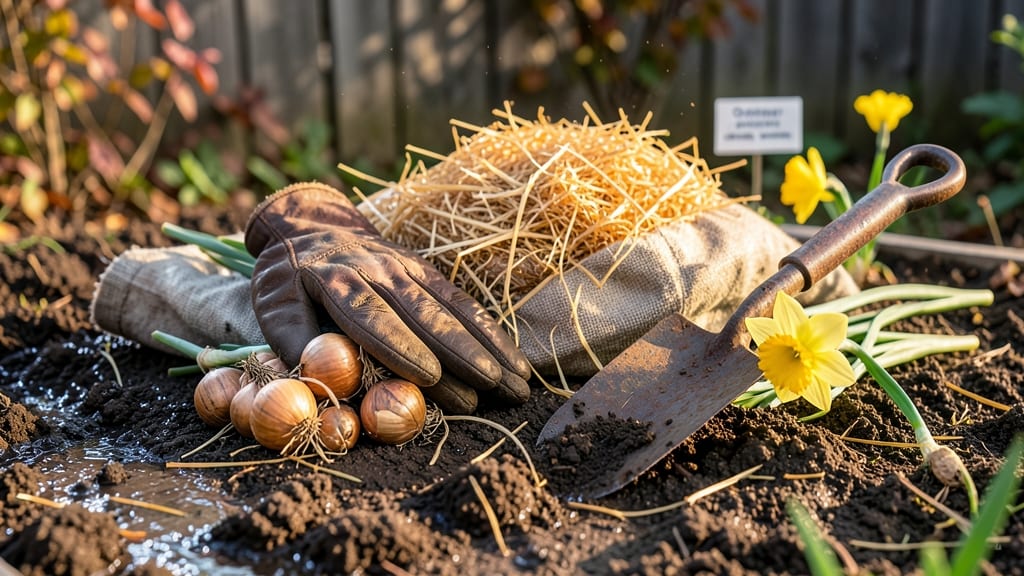
If you're wondering when to plant daffodils in Massachusetts, timing is everything—get it right, and you’ll have a burst of cheerful 🌼 blooms next spring. Massachusetts’ Zone 5B climate means you’ve got a narrow window between early October and mid-November to plant before the ground freezes.
The key is planting 6-8 weeks before the first frost, which typically hits around mid-October in most areas. Too early, and your bulbs might rot in damp soil; too late, and they won’t establish roots before winter.
I’ll break down the exact deadlines for your region, plus soil prep tips to ensure your daffodils thrive.
Local gardeners swear by planting after the soil cools but before the ground hardens—usually October to early November. This timing helps bulbs root without risking frost damage. I’ll also share how to adjust for early or late bloomers, so you can customize your planting schedule for maximum impact.
Once planted, daffodils are low-maintenance, but a few simple steps—like proper watering and sunlight—will keep them coming back year after year. Let’s dive into the details so you can plant with confidence and enjoy spring’s brightest blooms.
Massachusetts daffodil planting deadlines by zone 5B frost dates
Massachusetts' Zone 5B climate means daffodil bulbs need to be in the ground 6-8 weeks before soil freezes. For most of the state, this window runs from early October to mid-November, with Boston's last average frost on April 15 and first frost on October 15.
Worcester and Springfield follow similar patterns but may see slightly earlier freezes in rural areas.
Your soil temperature is the real guide—plant when it drops to 50-60°F. Use a soil thermometer if unsure. In urban areas, microclimates can delay frost by 1-2 weeks, while rural gardens may freeze earlier. Adjust your timeline accordingly.
For early bloomers, like 'Tête-à-Tête' or 'Ice Follies', aim for late September planting to push flowers ahead. Late bloomers, such as 'Papillon' or 'Thalia', can wait until mid-November without risking frost damage.
🌼 Massachusetts Daffodil Planting Timeline
| Stage | Action | Soil Temp | Notes |
|---|---|---|---|
| Early October | Plant early bloomers | 50-60°F | Urban areas only |
| Mid-October | Standard planting window | 45-55°F | Best for most varieties |
| Late October | Plant late bloomers | 40-50°F | Rural areas only |
| Mid-November | Last chance planting | 35-45°F | Use frost blankets |
📅 Pro Tip: Check your local USDA frost map for precise dates—some MA towns vary by 10 days!
If you're in western MA, like Berkshire County, plant 1-2 weeks earlier than eastern regions. The Connecticut River Valley often sees frost 5-7 days earlier than Boston, so adjust accordingly. For container gardening, plant bulbs in pots by mid-October to keep them mobile before winter.
Always test your soil—daffodils thrive in well-draining soil with a pH of 6.0-7.0. Amend heavy clay with compost or sand to prevent bulb rot. In wet springs, like those common in southeastern MA, raised beds help avoid soggy soil.
After planting, mulch with 2-3 inches of straw to insulate bulbs. Remove mulch in early spring once shoots appear. This protects against temperature swings and keeps soil moisture even.
For forced indoor blooms, plant bulbs in late September in pots and chill them for 10-12 weeks at 35-45°F. This tricks them into blooming by Christmas or Valentine's Day—perfect for holiday cheer!
Remember: No daffodil blooms this spring? Double-check your planting depth—bulbs should be 6-8 inches deep in soil, with the pointy end up. If planted too shallow, they may not anchor properly for winter.
How to adjust planting time for early vs. late-blooming daffodils
Massachusetts gardeners can strategically plant daffodils to extend their spring color by adjusting timing for early or late-blooming varieties. Early bloomers like 'February Gold' need planting in September to force blooms, while late varieties such as 'Ice Follies' thrive with November plantings.
Forcing early blooms requires 6-8 weeks of chilling in a cool basement or fridge before planting. Place bulbs in a container with sphagnum moss and refrigerate at 40-45°F—plant them in late September for Christmas blooms.
Late-season plantings work best in November when soil temps drop below 50°F. Urban gardens in Boston may need to plant 2 weeks later than rural areas due to heat islands delaying frost.
Adjust for microclimates: Shaded areas stay warmer longer, so plant 1-2 weeks earlier than sunny spots. Use a soil thermometer to confirm 50-60°F soil temps before planting.
Container gardening extends flexibility—plant in October for spring blooms or November for late-season color. Choose pots with drainage holes to prevent bulb rot in winter rains.
Pro tip: Mix early and late varieties in the same bed for continuous blooms from April to May. Group 3-5 bulbs per variety for bold displays.
Early Planting (September) for Forced Blooms
- Christmas blooms indoors
- Controlled environment
- Great for gifts
- Requires fridge space
- Limited outdoor blooms
- Higher bulb cost
Standard Planting (October-November) for Spring Blooms
- Natural spring blooms
- Lower cost per bulb
- Longer vase life
- No forced blooms
- Dependent on frost
- Late plantings risk rot
For late-season plantings, use frost blankets if temps dip below 20°F before bulbs root. This buys 2-3 extra weeks for November plantings in Worcester or Springfield.
Test your soil’s drainage before planting—daffodils hate soggy winters. Amend heavy clay with compost or sand to prevent bulb rot, especially in wet springs like 2019’s.