
Plants
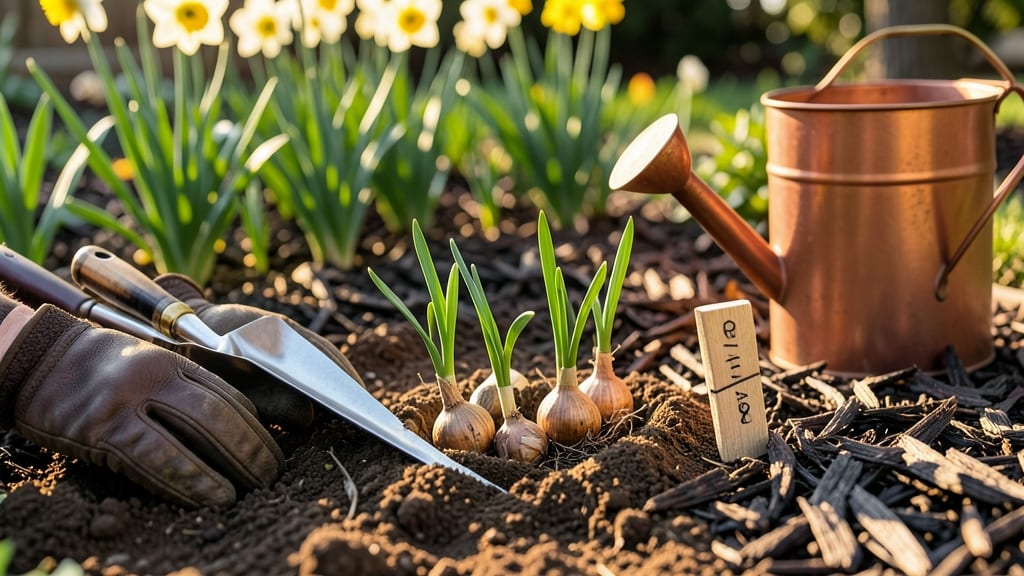
Planting daffodils in California isn’t one-size-fits-all—get the timing wrong, and your 🌼 could face frost damage or miss spring’s vibrant show. With coastal areas like San Francisco staying mild and inland valleys like Sacramento dropping below freezing, the "perfect" window shifts dramatically.
Most gardeners in zones 7b-10b (which covers almost all of California) should plant between October and December, but coastal regions often extend this to January. The key? Aim for 6-8 weeks before the first frost—for Zone 10a, that’s late fall, while Zone 7b might need an earlier start.
Why does this matter? Daffodils need cold dormancy to bloom, but they can’t handle freezing soil.
I’ll break down how to read your local frost dates, adjust for microclimates, and even choose varieties that thrive in your specific corner of the state—so you’re not guessing when to dig in those bulbs.
Once you’ve got the timing right, a little post-planting care (like mulching and watering) keeps your daffodils happy until spring. Let’s make sure your garden gets that show-stopping display without the trial-and-error.
California daffodil planting zones: when to plant by microclimate (coastal vs desert)
California’s diverse microclimates mean the perfect daffodil planting time varies dramatically. Coastal areas like San Francisco stay mild year-round, while Death Valley experiences extreme heat—even in winter. To avoid frost damage or overly hot soil, align your planting with your region’s USDA zone and historical frost dates.
Daffodils thrive when planted in fall, but the exact window depends on where you live. In cooler coastal zones, you can plant as late as December, while desert regions may need bulbs in the ground by October to escape summer’s scorching temperatures.
Let’s break down the best times for California’s five key zones.
| Zone | USDA Zone | Best Planting Window | Soil Temp Threshold | Key Notes |
|---|---|---|---|---|
| Coastal (San Francisco, LA) | 9b-10a | November–December | 50–60°F | Mild winters; plant late to avoid wet soil |
| Central Valley (Sacramento, Fresno) | 9a-10a | October–November | 55–65°F | Moderate frost risk; aim for 6–8 weeks before first frost |
| Sierra Foothills (Chico, Redding) | 7b-8a | September–October | 50–60°F | Early frost; plant ASAP after soil cools |
| Desert (Palm Springs, Joshua Tree) | 9b-10a | October–Early November | 60–70°F | Avoid summer heat; mulch heavily post-planting |
| Inland Valleys (Bakersfield, San Joaquin) | 9a-10a | October–November | 55–65°F | Hot summers; plant early to establish roots |
For coastal gardeners, the last frost date is often around January 15, giving you a longer window to plant. In contrast, desert regions must act quickly—soil can still be too hot for bulbs in late November.
Always check your local National Weather Service frost predictions or use a soil thermometer to confirm temperatures are ideal.
Pro tip: If you’re unsure about your local frost dates, err on the side of earlier planting. Daffodil bulbs can handle cool soil better than overheated conditions. In Zone 10 areas (like coastal LA), you can even plant as late as January for spring blooms.
Once planted, mulch heavily (3–4 inches) to protect bulbs from temperature swings and retain moisture. In desert climates, this is especially critical—mulch acts like a thermal blanket, preventing bulbs from baking in summer heat.
Remember: Daffodils need chill hours to bloom, but they won’t survive summer heat if planted too late. Balance frost risk with soil temperature for zero-frost-risk planting.
🌼
How to time daffodil planting for zero frost risk: 3 critical factors
Timing your daffodil planting in California isn’t just about the calendar—it’s about understanding soil temperature, historical frost dates, and your bulb’s dormancy cycle. Get these wrong, and you’ll either have frost-damaged bulbs or blooms that arrive too late for spring’s peak beauty.
Let’s break down the three critical factors that separate success from disappointment.
First, soil temperature is your best friend. Daffodils need the ground to cool to 50-60°F before planting. In most of California, this happens between mid-October and December, but coastal areas like San Francisco may wait until November or even January.
Use a soil thermometer to check—planting too early in warm soil can wake bulbs prematurely, leading to weak growth.
The second factor is your local frost-free window. Daffodils need time to root before winter dormancy kicks in. In USDA Zone 10 (coastal), you might plant as late as January, while Zone 7 (Sierra foothills) demands planting by mid-November.
Check your average first frost date—plant 6-8 weeks before it to give roots time to anchor.
Third, never underestimate bulb dormancy. Daffodils go dormant in winter, and planting too late disrupts this cycle. If you miss the fall window, wait until early winter (January) in mild zones, but avoid planting in summer heat—bulbs can rot in warm, moist soil.
For most of California, October-November is ideal, but adjust based on your microclimate.
Pro tip: If you’re unsure about your frost dates, use a local gardening app or contact your county extension office. They’ll provide hyper-local data that beats guessing.
Once planted, mulch heavily (3-4 inches) to insulate bulbs from temperature swings—this is especially critical in desert regions where daytime heat contrasts sharply with nighttime chill.
Remember, daffodils are hardy but not invincible. By focusing on soil temp, frost timing, and dormancy cycles, you’ll ensure your bulbs bloom vibrantly and reliably every spring. Happy planting!