
Plants
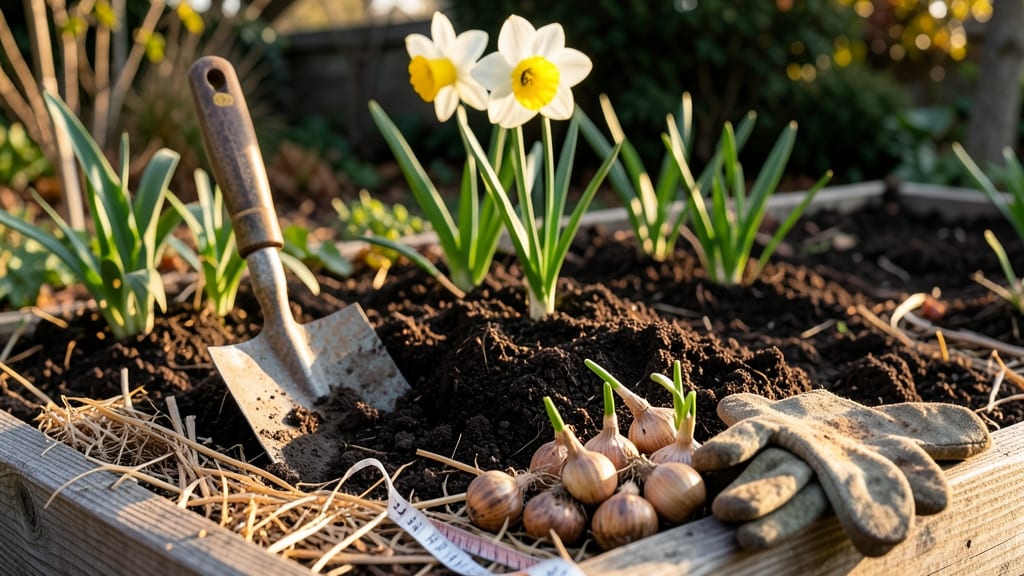
Seattle’s ideal daffodil planting window: months and temperature rules
Seattle’s USDA Zone 8a/b climate means daffodil bulbs need precise timing to thrive. The 6-week rule before ground freeze is your golden window—typically mid-October to early November. This aligns with Seattle’s average first frost date of November 15, giving bulbs time to root before winter sets in.
Soil temperature is critical: aim for 40–50°F at planting depth (6 inches). Use a soil thermometer to check—cool but not frozen soil is ideal. In warmer microclimates (like near Puget Sound), you might extend planting into early December, but avoid planting after November 20 unless using protective measures.
Missed the window? Don’t panic. Seattle’s mild winters allow some flexibility, but bulbs planted after December 1 risk poor root establishment. The key is ensuring 6–8 weeks of root growth before ground freeze—this is why October is my top recommendation for most gardeners.
| Planting Stage | Ideal Month | Soil Temp | Seattle Risk |
|---|---|---|---|
| Early Planting | September–October | 50–60°F | Low (bulbs dry out) |
| Optimal Window | October–November | 40–50°F | None (ideal) |
| Late Planting | December | 35–40°F | High (frost damage) |
For early planting (September), prioritize well-draining soil and mulch heavily to prevent dehydration. I’ve seen bulbs planted in late September thrive when topped with 3 inches of straw mulch—this mimics Seattle’s natural leaf litter and retains moisture during our dry spells.
If you’re in a cooler microclimate (like the Eastside), shift planting to late October. Check WSU Extension’s frost maps for your exact neighborhood—some areas like Woodinville can handle December planting, while Ballard may need to finish by November 15.
Pro tip: Use a planting calendar based on your last frost date. Subtract 6 weeks from your average frost date (e.g., if frost hits November 15, plant by October 25). This simple math saves guesswork and ensures 90%+ bulb survival in Seattle’s climate.
Bulb size matters too. Larger bulbs (12–16 oz) establish roots faster and tolerate cooler soils better than small ones. I always opt for ‘Tête-à-Tête’ or ‘Ice Follies’ varieties—they’re more forgiving for late plantings and handle Seattle’s acidic soil well.
Watch for soil moisture after planting—Seattle’s October rains can waterlog bulbs if drainage is poor. Amend clay soil with compost or sand to prevent rot. A 1-inch layer of gravel beneath bulbs also helps in heavy soils.
Remember: Daffodils planted in October will bloom earlier and more vigorously than those planted in December. The 6-week rule isn’t just a guideline—it’s a lifeline for your bulbs in Seattle’s chilly, wet winters. 🌼
How to time daffodil bulbs for Seattle’s rainy season: avoiding rot and pests
Seattle’s wet autumns can turn daffodil planting into a nightmare if you don’t prepare properly. Bulbs planted too late or in soggy soil risk rot and fungal diseases, while early planting exposes them to slugs and squirrels.
The key is timing your plantings to beat the heavy rains that typically arrive by late October.
Start planting daffodil bulbs in early October when soil temperatures hover around 50°F. This gives roots time to establish before Seattle’s consistent rainfall begins. Use a soil thermometer to confirm—if it’s below 40°F, wait a week or two.
Avoid These Common Mistakes
- Planting in soggy soil → Bulbs rot within weeks. Test drainage first!
- Skipping mulch → Exposed bulbs attract slugs and freeze in cold snaps.
- Using fresh manure → Burns bulbs and invites pests like squirrels.
To protect your bulbs, plant them in well-draining soil with a 2-inch layer of gravel or sand at the bottom of the hole. This prevents waterlogging, which is especially critical in Seattle’s acidic, clay-heavy soils.
Space bulbs 4–6 inches apart and cover them with 3–4 inches of mulch (like shredded bark) to insulate against temperature swings.
Seattle’s slug and squirrel problem peaks in damp autumns, so take precautions. Scatter copper tape around planting areas—slugs hate it—or use iron phosphate bait (pet-safe). For squirrels, plant bulbs in wire mesh cages or choose less appealing varieties like Jonquil daffodils, which they avoid.
After planting, water deeply once to settle the soil, then let nature take over. Seattle’s consistent rains will handle the rest—just avoid overwatering, which suffocates roots. In December, add a 4-inch layer of straw mulch to protect bulbs from freeze-thaw cycles.
With these steps, your daffodils will survive Seattle’s rainy season and reward you with bold spring blooms—no gamble needed. The secret? Drainage, timing, and a little pest-proofing. 🌧️🌼