
Plants
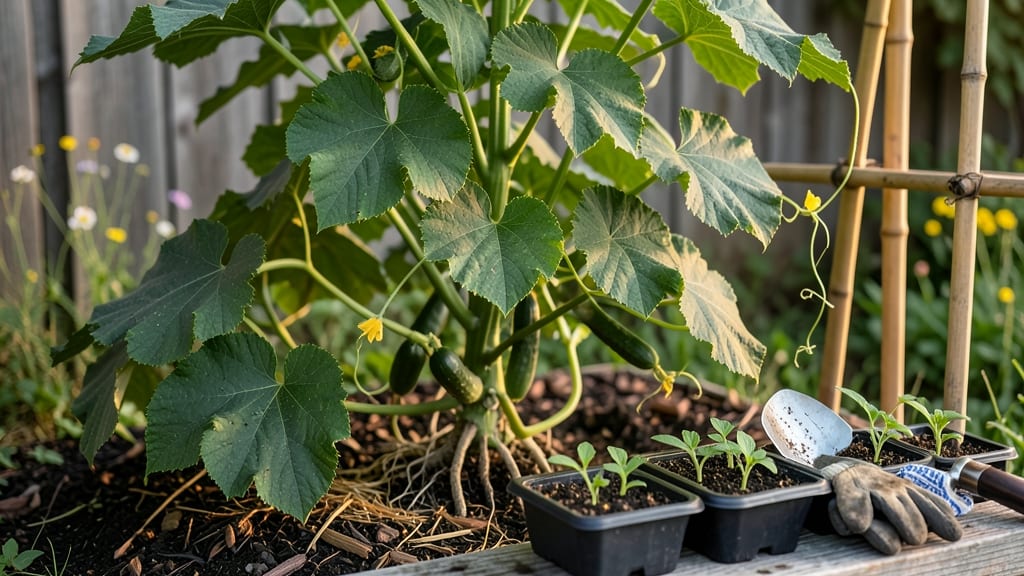
Timing your cucumber 🥒 planting in Maine isn’t just about the calendar—it’s about beating the clock against unpredictable frost and short summers.
If you plant too early, those tender seedlings will wilt before they even sprout; too late, and you’ll miss the sweet spot for a harvest before the first frost in October.
The perfect window for planting cucumbers in Maine is mid-May to early June, once soil temperatures hit at least 60°F and all frost risk has passed.
But with Maine’s diverse USDA zones (5b-6a), your exact deadline could vary by up to 2 weeks depending on where you live—whether you’re in coastal Portland or inland Bangor.
Here’s the game-changer: I’ll break down county-specific frost dates, share heat zone strategies to extend your growing season, and recommend the hardiest cucumber varieties that thrive in Maine’s rocky soil and cooler summers. No more guessing—just a foolproof plan to turn your garden into a 🥒 goldmine.
Ready to skip the trial-and-error? Let’s dive into the exact dates, soil prep secrets, and pro tips that’ll have you harvesting crisp cucumbers from July through September—no matter where in Maine you’re planting.
Maine’s frost-free deadlines by county for planting cucumbers
Maine’s cool climate and short growing season demand precision when planting cucumbers. The last frost date varies by county—typically mid-May to early June—but soil temperature and microclimates can shift your timeline by weeks.
In USDA zones 5b-6a, cucumbers thrive only after the ground warms to at least 60°F, making early planting risky. Let’s break down your county’s frost-free window and ideal planting dates.
Northern Maine (e.g., Aroostook, Piscataquis) has the latest frost dates—often June 1-15—while southern counties like York or Cumberland can plant as early as May 15. Coastal areas may warm faster due to moderating ocean breezes, while inland regions stay cooler longer.
Always check your local agricultural extension office for year-specific updates—Maine’s weather is famously unpredictable.
For direct sowing, wait until all frost danger has passed and soil is consistently warm. Transplants can go in slightly earlier (about 1-2 weeks sooner), but they still need stable warmth.
Use black plastic mulch to raise soil temperatures by 5-10°F, giving you a 2-week head start on the season.
🌱
Maine County Frost-Free Deadlines & Planting Windows
| County | Avg. Last Frost | Ideal Planting Window | Soil Temp. Goal | Notes |
|---|---|---|---|---|
| Androscoggin | May 20-25 | May 25 - June 5 | 60°F+ | Inland; use row covers early |
| Cumberland | May 15-20 | May 20 - June 1 | 60°F+ | Coastal; warmer microclimates |
| Penobscot | May 25-30 | June 1-10 | 60°F+ | Northern; shorter season |
| York | May 10-15 | May 15 - May 30 | 60°F+ | Earliest planting; coastal warmth |
| Aroostook | June 1-10 | June 10-20 | 65°F+ | Latest frost; shortest season |
If you’re growing early varieties like ‘Early Green Tendril’ or ‘Northern Pickling’, you can start seeds indoors 3-4 weeks before your last frost date. These cold-tolerant types handle 50°F soil better than standard cucumbers.
For longer harvests, plant succession crops every 2 weeks until mid-July—this stretches your season until early October.
Maine’s first frost typically hits mid-October, giving cucumbers about 165 frost-free days. Choose fast-maturing varieties (under 55 days) for northern counties, while southern gardeners can opt for 60-70 day varieties. Always monitor 7-day forecasts—a late frost can devastate young plants overnight.
🌡️
Pro tip: Use a
How to extend the cucumber growing season in Maine’s short summers
Maine’s short growing season means cucumbers need every advantage to thrive. I’ve learned that cold-hardy varieties and protective strategies can push harvests well into September. Start by choosing early-maturing varieties like ‘Straight Eight’ or ‘Lemon Cucumber’—they ripen in just 50-55 days, giving you a head start.
Another trick I swear by is using black plastic mulch to warm the soil faster. Lay it down 2-3 weeks before planting to raise soil temperatures by 5-10°F. This lets you plant 1-2 weeks earlier than usual, which is critical in Maine’s USDA Zones 4-6.
⚠️ Pros & Cons: Direct Sowing vs. Transplanting in Maine
| Method | Pros | Cons |
|---|---|---|
| Direct Sowing | Hardier plants, no transplant shock | Slower establishment, vulnerable to late frosts |
| Transplanting | Faster harvest, better for late starts | Transplant shock risk, higher cost |
Best for Maine: Start transplants indoors in early April for outdoor planting after last frost.
For a second harvest, try succession planting in late June. Choose heat-tolerant varieties like ‘Marketmore 76’ and use row covers to protect against unexpected chills. I’ve had success with floating row covers that let sunlight through while shielding plants from 30°F nights.
Don’t overlook container gardening—it’s a game-changer for urban Maine gardeners. Use 5-gallon buckets with moisture-control fabric to keep roots warm. Place containers on black trays to absorb heat during the day and insulate at night. This extends the season by 2-3 weeks compared to in-ground planting.
Finally, harvest strategically to encourage continuous production. Pick cucumbers every 2-3 days—this prevents overripening and signals the plant to produce more. In my garden, this simple habit has doubled my yield during Maine’s brief summer.
With these tricks, you can turn Maine’s short season into a cucumber powerhouse. The key is planning ahead and giving your plants every tool to succeed. Happy growing!