
Plants
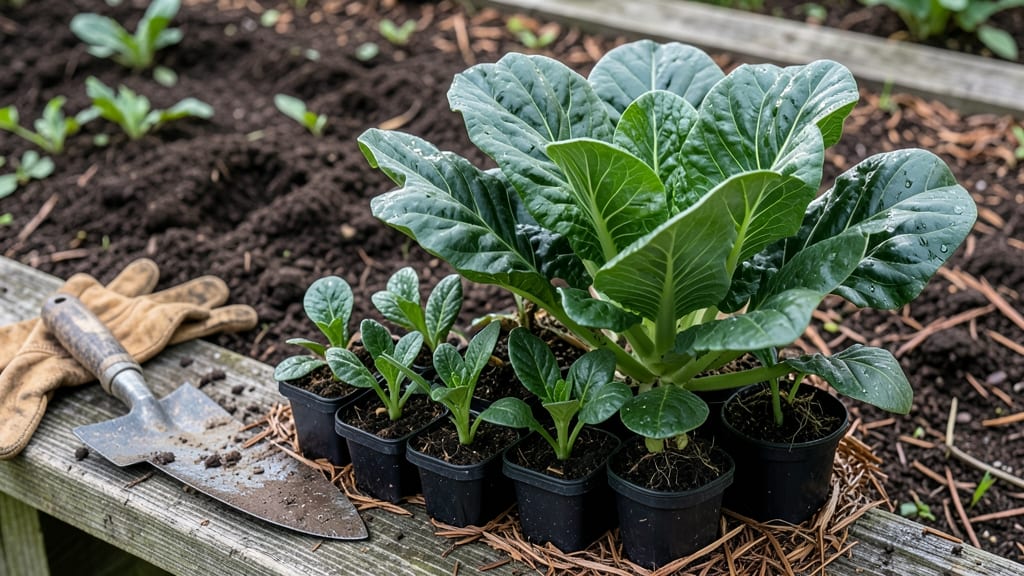
Mississippi collard planting calendar: frost dates & heat zones explained
Mississippi’s USDA Zones 7-8 create a unique window for growing collards, but timing matters—plant too early, and frost zaps tender seedlings; too late, and summer heat sends them bolting.
The last average frost date in most of Mississippi is March 15, while the first frost typically hits around November 15. Northern Mississippi (Zone 7) has a slightly shorter frost-free season than the southern half (Zone 8), so adjust your calendar accordingly.
For spring plantings, aim to sow seeds 4-6 weeks before your last frost date—that’s late February to early March for most gardeners. This gives seedlings enough time to mature before summer’s relentless heat arrives.
In fall, plant August to early September to ensure a harvest before frost sets in. Southern Mississippi gardeners can push these windows slightly later, while northern areas should start earlier to maximize the growing season.
Mississippi’s heat zones also play a role. The state’s humid subtropical climate means temperatures can soar above 90°F (32°C) by late spring, stressing collards. Varieties with heat tolerance (like 'Georgia Southern') handle these conditions better, but even they’ll bolt if planted too early.
The key is balancing frost risk and heat stress—a tightrope walk for Mississippi gardeners.
Here’s how to align your planting with Mississippi’s climate quirks:
| Planting Window | USDA Zone 7 (Northern MS) | USDA Zone 8 (Southern MS) | Key Considerations |
|---|---|---|---|
| Spring Planting | Late February - Early March | Early March - Mid-March | Start indoors 6 weeks prior; use row covers for frost protection. |
| Summer Planting | Not recommended | Not recommended | Extreme heat causes bolting; focus on fall or spring. |
| Fall Planting | August - Early September | Late August - Mid-September | Plant 10-12 weeks before first frost for harvest. |
| Harvest Window | May - June (spring) & October - November (fall) | May - June (spring) & October - December (fall) | Southern MS extends fall harvests; protect with row covers if frost threatens. |
Mississippi’s northern regions (like Tunica or Greenville) face earlier frosts, so start spring collards indoors by late January for transplanting outdoors. Southern areas (e.g., Biloxi or Gulfport) can delay until mid-March without frost risk.
Always check your local Almanac frost dates—they’re your best guide for adjusting these timelines.
Pro tip: Succession planting every 2-3 weeks in spring and fall ensures a steady supply. For example, sow a batch in late February, another in early March, and a final one in mid-August. This staggering method spreads out your harvest and reduces bolting risks during heat spikes.
Soil temperature is another critical factor. Collard seeds won’t germinate well in soils below 45°F (7°C). Use a soil thermometer to confirm your garden bed is ready—wait until soil warms to at least 50°F (10°C) for reliable germination.
In Mississippi, this usually aligns with mid-March for spring and late August for fall.
Mississippi’s humidity also demands attention. Unlike drier climates, collards here are prone to fungal diseases like downy mildew if planted too early. Space seedlings 12-18 inches apart and water at the base (not overhead) to prevent leaf moisture buildup.
Mulching with straw or pine needles keeps soil cool and reduces fungal spores.
For container gardening, Mississippi’s short frost-free window works in your favor. Start collards in 5-gallon pots by mid-February and move them outdoors after the last frost. This flexibility lets you extend the season or even overwinter pots in a protected garage for early spring harvests.
Remember: Mississippi’s collard magic lies in the fall harvest. A well-timed August planting rewards you with sweet, tender leaves from October through December—just in time for holiday meals. Don’t miss this window!
Mississippi collard planting calendar: frost dates & heat zones explained
Mississippi’s USDA Zones 7-8 create a unique challenge for collard growers—too early, and frost zaps tender seedlings; too late, and summer heat sends them bolting.
The last average frost date in most of the state is around March 15, while the first frost typically arrives November 15, giving you a 210-day frost-free window to work with.
For spring plantings, aim to sow seeds 4-6 weeks before your last frost date—so late February to early March in most regions. This timing ensures seedlings mature before summer’s relentless heat.
In northern Mississippi (Zone 7), push planting to early April to avoid early frost surprises, while southern Mississippi (Zone 8) gardeners can start as early as February 15.
| Planting Window | USDA Zone | Key Considerations |
|---|---|---|
| Late February - Early March | Zone 8 (Southern MS) | Start early to beat summer heat; use row covers if nights dip below 40°F |
| Early April | Zone 7 (Northern MS) | Wait to avoid late frosts; transplant hardened-off seedlings |
| August - Early September | All Zones | Fall planting for winter harvest; protect from early frosts with mulch |
Fall plantings offer a second harvest window, with August to early September being ideal. Seedlings planted now mature just in time for October-November harvests before the first frost. For extended production, succession plant every 2-3 weeks through September to ensure a steady supply of tender leaves.
Mississippi’s humid summers can stress collards, so avoid planting in June or July unless you’re using shade cloth (30-50%) and extra water. The optimal soil temperature for germination is 60-70°F, which is why spring and fall align perfectly with Mississippi’s climate.
Pro tip: Test your soil’s pH (6.0-7.0) before planting—collards thrive in slightly acidic to neutral soil. Amend with compost or aged manure to improve drainage and fertility, especially in Mississippi’s clay-heavy soils. Mulch with straw or pine needles to retain moisture and regulate soil temperature.
Remember, Mississippi’s microclimates vary dramatically. Check your local Cooperative Extension Service for precise frost dates, and always have row covers on hand for unexpected cold snaps. With the right timing, you’ll enjoy sweet, tender collards from spring through winter—no guessing game required!