
Plants
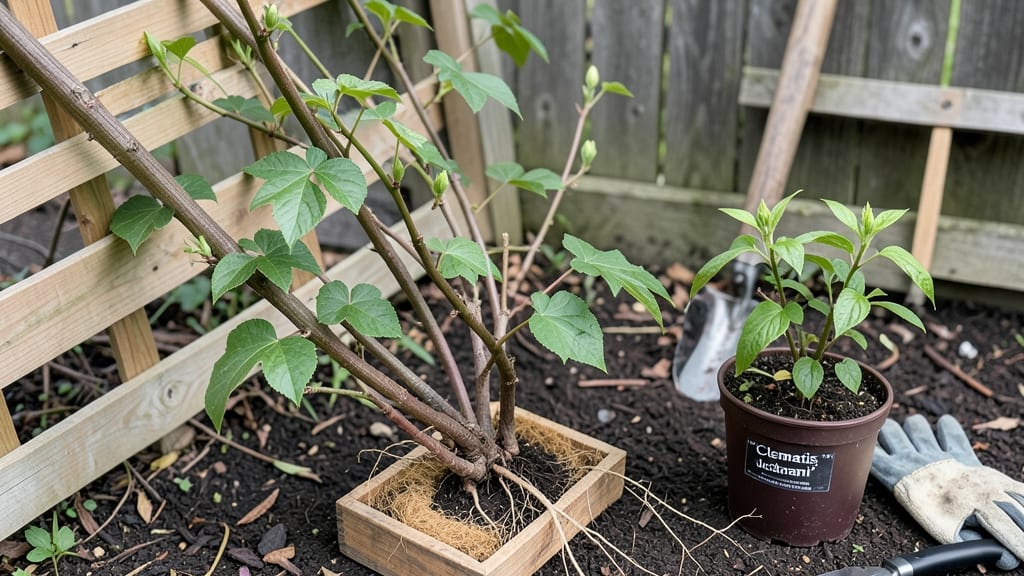
Timing your clematis planting in Ohio can mean the difference between a thriving vine covered in 🌸 blooms and one that struggles to take hold. With Ohio’s variable climate—where spring can swing from icy nights to sudden heatwaves—getting it right is key.
Most gardeners in USDA Zone 6a swear by planting clematis in early spring, once the soil warms and the threat of frost has passed. But did you know fall planting can also work if you time it right?
The secret lies in understanding Ohio’s last frost dates and soil temperature cues.
In this guide, I’ll walk you through the best months to plant clematis in Ohio, how to prepare your soil for success, and which varieties thrive in our climate.
Whether you’re a first-time gardener or a seasoned pro, these tips will help you avoid common mistakes and set your clematis up for a bold, long-lasting display.
Ready to transform your garden with these stunning vines? Let’s dive into the best strategies for planting clematis in Ohio—so you can enjoy those dreamy blooms from mid-summer on.
Ohio’s ideal planting months for clematis: spring vs. fall timing explained
Ohio’s USDA hardiness zones 5-6 create a unique challenge for clematis planting—too early, and frost can damage tender roots; too late, and your vines may struggle to establish before winter.
The key is planting when soil temperatures consistently stay above 40°F (4°C), which in Ohio typically aligns with late March to early April for spring or mid-September to early October for fall.
Most Ohio gardeners prefer spring planting because it gives vines the entire growing season to root before winter. However, fall planting can work if you choose hardy varieties and protect them with mulch.
The last average frost date in Ohio (around April 15) is your spring deadline, while fall planting must wrap up 6 weeks before first frost (typically by October 15).
Why timing matters: Clematis roots need 4-6 weeks to establish before summer heat arrives. Planting too late in spring or too early in fall risks root rot or winter dieback. Ohio’s microclimates (urban heat islands vs. rural areas) can shift these windows by 1-2 weeks, so monitor local forecasts.
For container-grown clematis, you have slightly more flexibility—plant anytime soil isn’t frozen. However, bare-root clematis (common in nurseries) must go in the ground as soon as roots can be handled without breaking (soil temp ≥40°F).
🌱
| Planting Window | Soil Temperature | Ohio Timeline | Pros | Cons |
|---|---|---|---|---|
| Spring Planting | 40°F+ (4°C+) | Late March–Early May | Full growing season for root establishment | Risk of late frost damage if planted too early |
| Fall Planting | 50°F+ (10°C+) | Mid-Sept–Early Oct | Established roots handle winter better | Limited time for root growth before freeze |
| Critical Deadlines for Ohio: | ||||
| Last Spring Planting Date | — | April 15 (avg last frost) | After this, risk of root stress increases | — |
| Last Fall Planting Date | — | October 15 (6 weeks before first frost) | Roots have time to harden off | — |
Ohio’s northern regions (zones 5) should err on the later side of spring planting (early May) to avoid frost, while southern Ohio (zones 6) can plant as early as late March.
For fall, northwest Ohio may need to plant by September 15, while southeast Ohio has until early October.
Pro tip: Use a soil thermometer to confirm temperatures—50°F (10°C) is ideal for root growth. If your soil is still cold in spring, hold off until it warms. For fall, aim to plant when daytime temps drop to 70°F (21°C) but nights stay above 40°F (4°C).
🌿
If you miss the ideal window, don’t panic. Container planting extends your timeline—just keep the root ball moist and move containers to shelter during extreme weather.
For bare-root clematis planted outside the ideal window, mulch heavily (4-6 inches of straw or shredded leaves) to insulate roots and water deeply every 2 weeks during dry spells.
Remember: Clematis planted in spring often blooms the following year, while fall-planted vines may bloom 2-3 years later. Patience pays off with healthier, more vigorous growth and longer-lasting blooms.
For Ohio gardeners, the sweet spot is late April to early May—this gives roots time to establish before summer heat and ensures strong first-year growth. Mark your calendar and watch for forcing buds on your clematis in spring—they’re your signal that it’s time to plant!
Ohio’s ideal planting months for clematis: spring vs. fall timing explained
Ohio’s USDA Hardiness Zones 5-6 create a unique challenge for planting clematis. Unlike tropical plants, these vines thrive when planted at the right time—too early, and frost can damage tender roots; too late, and they may not establish before winter.
The key is understanding Ohio’s average last frost date (April 15) and soil temperature thresholds (at least 50°F for root growth).
Most Ohio gardeners opt for spring planting (March–April) because it allows vines to establish roots before summer heat. However, fall planting (late September–October) is also viable if done 6–8 weeks before frost.
The trade-off? Spring planting gives more time for root growth, while fall planting reduces transplant shock in hot summers.
| Planting Window | Best Months in Ohio | Soil Temp Requirement | Pros | Cons |
|---|---|---|---|---|
| Spring Planting | March–April | 50°F+ | Full growing season for root establishment | Risk of summer drought stress |
| Fall Planting | Late September–October | 60°F+ | Reduces transplant shock; established roots for winter | Limited root growth before dormancy |
For Ohio’s northern regions (Zone 5), spring planting is safer due to shorter growing seasons. In southern Ohio (Zone 6), you can push fall planting slightly later, but avoid planting after October 1.
Always check your local frost-free date—Ohio’s can vary by 2–3 weeks depending on microclimates like valleys or urban heat islands.
Pro tip: If you miss spring, don’t panic! Bare-root clematis can be planted in late fall (November) as long as the ground isn’t frozen. Just mulch heavily to insulate roots. For container-grown clematis, spring planting is best—their roots are less cold-hardy.
Timing also affects bloom performance. Clematis planted in early spring (March) often produce earlier blooms the following year, while fall-planted vines may take an extra season to reach full vigor.
Choose based on your patience and Ohio’s unpredictable weather patterns—sometimes, the best strategy is to plant both spring and fall varieties for a staggered display.
Remember: Clematis roots hate disturbance, so avoid planting where you’ve recently dug. Amend the soil with compost or aged manure before planting to give roots a nutrient boost. Once established, these vines reward you with decades of blooms—just get the timing right!