
Plants
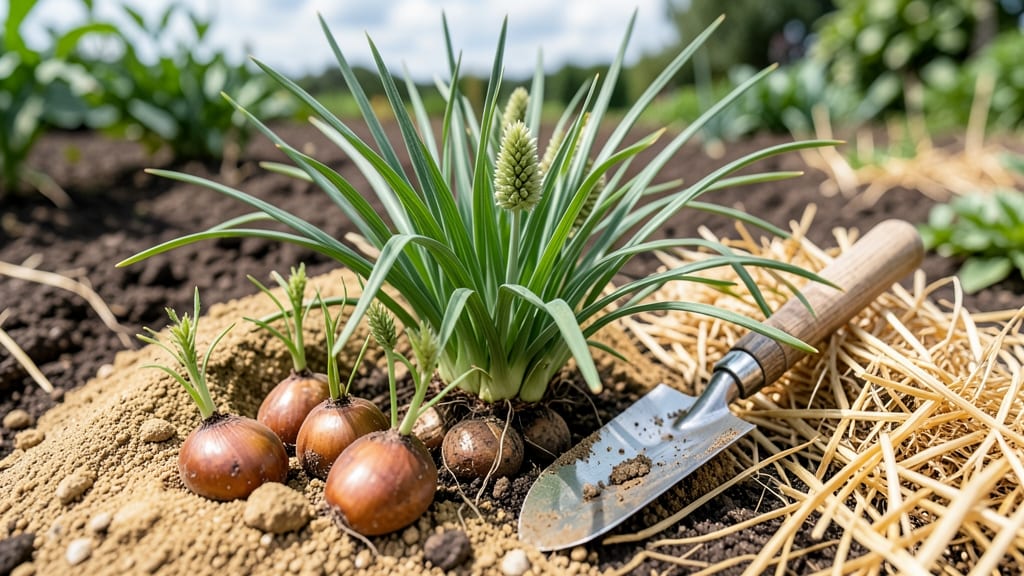
Knowing when to plant chufa in GA can mean the difference between a bountiful harvest and wasted effort—especially in Georgia’s unpredictable climate. This small but mighty 🌾 plant thrives in the Peach State’s warm zones (7a-8b), but timing matters to dodge late frosts and maximize those nutty tubers.
Most gardeners in Georgia plant chufa in late February or early March, about 4-6 weeks before the last frost (typically mid-March). But here’s the catch: if you’re in the Piedmont, you might need to wait until April to avoid chilly surprises.
The key? Monitoring soil temperatures—chufa seeds need warmth to sprout, and Georgia’s spring can swing wildly.
Why does this matter? Because chufa takes 90-120 days to mature, and planting too late means tubers won’t develop before summer’s heat sets in.
I’ll show you how to adjust your schedule based on your exact zone, soil prep tips, and even how to handle those pesky Georgia heatwaves without losing your crop.
Ready to grow your own chufa? Let’s break down the exact planting window for your corner of Georgia—so you can enjoy that earthy, chestnut-like flavor all season long. No more guesswork, just proven strategies for your garden.
Georgia’s ideal chufa planting window: months by frost zone
Georgia’s frost-free growing season runs from mid-March to mid-November, but chufa (Cyperus esculentus) thrives best when planted after the last frost risk. In USDA zones 7b-8a, this typically means late February to early April, with regional variations.
Coastal areas like Savannah can plant 2-3 weeks earlier than Piedmont regions like Athens, where frosts linger longer.
Chufa tubers need 90-120 days to mature, so planting too late risks immature harvests before Georgia’s first frost in November. Aim for soil temperatures above 60°F—a critical threshold for germination. Use a soil thermometer to confirm readiness, especially in higher-elevation areas where nights stay cooler.
Here’s how to align your planting with Georgia’s microclimates and frost zones for maximum success:
| Region | Last Frost Date | Ideal Planting Window | Soil Temp Goal | Heatwave Risk |
|---|---|---|---|---|
| Coastal Plain (Savannah, Brunswick) | Feb 15 - Mar 1 | Late Feb - Early Mar | 60°F+ | High (July-Aug) |
| Piedmont (Athens, Macon) | Mar 15 - Mar 31 | Late Mar - Early Apr | 60°F+ | Moderate |
| North Georgia (Dalton, Blairsville) | Apr 1 - Apr 15 | Early Apr | 65°F+ | Low |
| Urban Atlanta | Mar 1 - Mar 15 | Late Feb - Mar 15 | 60°F+ | Moderate-High |
🌡️ Pro Tip: Coastal areas can plant 2 weeks earlier than inland zones.
For Coastal Plain gardeners, chufa planted in late February will yield tubers by August, avoiding Georgia’s peak summer heat (90°F+).
In contrast, Piedmont growers should wait until mid-March to prevent frost damage to young seedlings. North Georgia’s shorter season demands early April planting for a September harvest before the first frost.
Use mulch (straw or pine needles) to maintain consistent soil temperatures and reduce watering needs. Chufa’s drought tolerance makes it ideal for Georgia’s summer heat, but young plants need regular moisture during germination. Water deeply 2-3 times per week until tubers form, then taper to weekly watering.
If you miss the primary planting window, consider a fall planting in September for a winter harvest. While less common, chufa can tolerate mild Georgia winters in zones 8a and above. Use row covers for protection if temperatures drop below 32°F.
Monitor local weather forecasts for unexpected late frosts—especially in elevated areas. A 50°F night can stunt growth, so have row covers ready. For container growing, move pots to a sheltered location if frost is forecasted.
Chufa’s perennial nature means established plants may regrow annually in Georgia’s mild winters. However, tuber yields decline after the first year, so replanting every 2-3 years maximizes production. Rotate planting spots to prevent soil depletion and disease buildup.
For urban gardeners with limited space, chufa thrives in containers 12+ inches deep. Use a well-draining potting mix and place pots in full sun. Container-grown chufa may need more frequent watering
Georgia’s ideal chufa planting window: months by frost zone
Georgia’s USDA Zones 7b-8b create a near-perfect climate for chufa (Cyperus esculentus), but frost timing varies dramatically between regions.
In Coastal Plain zones (8a/8b), like Savannah or Brunswick, the last frost typically occurs by mid-February, while Piedmont areas (7b), such as Athens or Macon, often see frost until late March.
Planting too early in colder zones risks frost damage to young shoots, while late planting in warmer areas may delay tuber development.
For optimal yields, aim to plant chufa seeds 4-6 weeks before your area’s last frost date. This window ensures tubers have 120-150 frost-free days to mature—critical for Georgia’s late-summer harvests.
Coastal regions can start as early as late January, while Piedmont gardeners should wait until mid-March to avoid frost surprises.
🌱 Georgia Chufa Planting Timeline by Frost Zone
| Zone & Region | Last Frost Date | Ideal Planting Window | Harvest Window |
|---|---|---|---|
| 8a/8b (Coastal Plain) | Mid-February | Late January–Early March | Late August–October |
| 7b (Piedmont) | Late March | Mid-March–Early April | September–Early October |
| 8a (North GA) | Early April | Late March–Mid-April | Late September–October |
✅ Pro Tip: Use a soil thermometer—chufa seeds need 60°F+ soil to germinate.
Chufa thrives in Georgia’s heat, but early summer heatwaves (common by June) can stress young plants. To mitigate this, pre-soak seeds for 24 hours before planting to jumpstart germination.
Coastal areas may also benefit from light shade cloth during May’s peak temperatures, while inland gardeners should focus on deep watering to prevent tuber dehydration.
For maximum tuber production, prioritize well-draining soil with a pH of 6.0-7.0. Amend clay-heavy Piedmont soil with compost or sand to prevent waterlogging, which can rot tubers. Coastal sandy soils may need organic matter to retain moisture during Georgia’s dry summer spells.
Remember: Chufa is a warm-season crop, so avoid planting in fall. If you miss the spring window, consider container growing to extend your season or start seeds indoors in late winter for a transplant advantage.
Georgia’s long growing season means chufa can often be replanted in late summer (August) for a fall harvest, but this requires extra care to protect tubers from early autumn frosts. Use row covers or mulch heavily to insulate soil.