
Plants
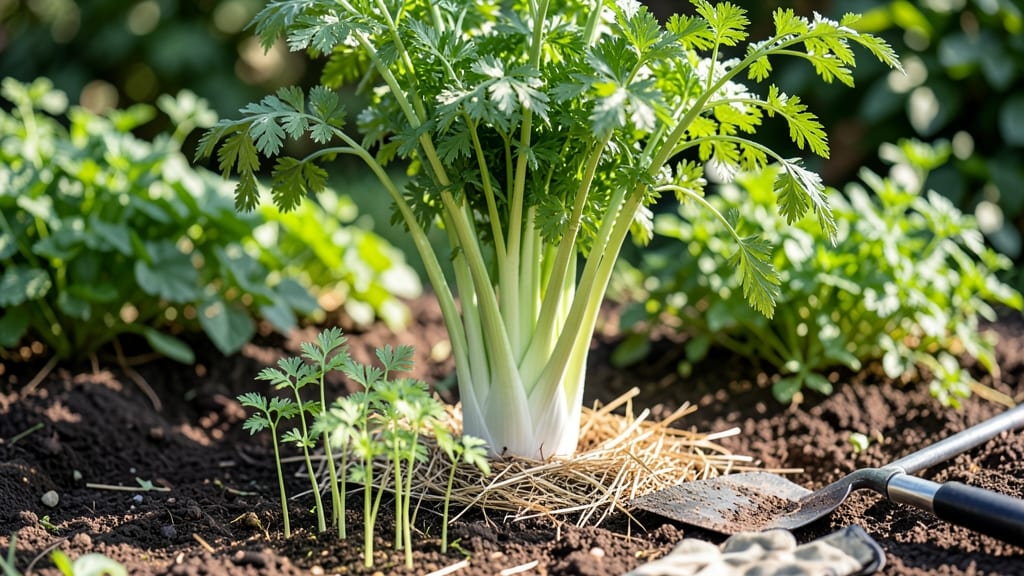
Timing your celery planting in Ohio isn’t just about avoiding frost—it’s about unlocking crisp, flavorful harvests that beat the heat and last through fall.
With Ohio’s 6a climate and unpredictable springs, getting those seeds in the ground too early or too late can mean bolted greens or stunted growth instead of the tender stalks you crave.
I’ve grown 🥬 celery in Ohio for years, and the difference between a thriving patch and a failed experiment often comes down to two key windows: early spring (March) and late summer (July-August).
But here’s the catch—direct sowing in cold soil or transplanting seedlings too soon can leave your plants struggling, while waiting too long risks missing the sweet spot before summer’s heat sets in.
What if you could skip the guesswork and plant with confidence? In this guide, I’ll break down the exact frost-free window for Ohio’s regions, the best varieties for your backyard, and pro tips to extend your harvest well into October—no more wasted effort or wilted crops.
Let’s get your celery off to the right start so you’re feasting on homegrown stalks instead of store-bought stubs by August.
Ohio’s frost-free window for celery: exact planting dates by region
Ohio’s last frost dates vary dramatically by region—from late April in southern counties to early May in the northern USDA zones 5-6b. Celery, a cool-season crop, needs consistent warmth (soil temps above 50°F) to thrive, making timing critical.
Plant too early, and frost will kill tender seedlings; too late, and summer heat triggers bolting (premature flowering).
For direct sowing, aim for 2-4 weeks after your last frost date. In Columbus, that’s mid-to-late May, while Toledo can start 10 days earlier.
Northern Ohio (e.g., Cleveland) may need to wait until early June. Always check your local frost-free date—Ohio’s can shift 1-2 weeks yearly.
For transplanting seedlings, start indoors 10-12 weeks before your last frost. This means mid-January to February for most of Ohio. Harden off seedlings for 7-10 days before transplanting after soil warms to 50°F (typically late April to early May in southern Ohio).
Backup dates are essential for Ohio’s unpredictable springs. If frost lingers, use row covers to protect seedlings until mid-May. For late springs, opt for fast-maturing varieties (like ‘Golden Self-Blanching’) to harvest before summer heat sets in.
| Region | Last Frost Date | Direct Sow Window | Transplant Window | Backup Date |
|---|---|---|---|---|
| Southern Ohio (e.g., Cincinnati) | April 15 | May 1-15 | Late April | May 20 (row covers) |
| Central Ohio (e.g., Columbus) | April 22 | May 10-25 | Early May | May 25 (row covers) |
| Northern Ohio (e.g., Cleveland) | May 1 | June 1-10 | Late May | June 15 (row covers) |
Ohio’s first frost typically arrives mid-October, but celery can handle light frosts (28°F) if mature. For a fall harvest, start a second planting in late July—this gives plants 8-10 weeks to mature before cold sets in.
Use black plastic mulch to warm soil and extend the season.
Soil temperature is non-negotiable for celery. Use a soil thermometer to confirm 50°F+ before planting. In Ohio, this often aligns with late April to early May, but cooler springs may delay it. If soil stays cold, switch to container growing for better temperature control.
Pro tip: Succession plant every 2 weeks from May to July for a continuous harvest. This works especially well for fast-maturing varieties like ‘Utah Improved,’ which can go from seed to harvest in 100-120 days. Pair this with drip irrigation to maintain consistent moisture—celery hates drought stress.
Ohio’s microclimates mean your neighbor’s perfect timing might fail for you. Monitor local weather forecasts and adjust your planting calendar accordingly. For example, Appalachian Ohio (e.g., Athens) may have 2 weeks later frost dates than Cincinnati.
Always err on the side of planting slightly late—celery recovers better from heat than frost.
Finally, test your soil before planting. Celery prefers slightly acidic to neutral pH (6.0-7.0) and rich, moist soil. Amend heavy clay soil with compost or peat moss to improve drainage—a common issue in Ohio’s USDA zone 6a.
Aim for 1-2 inches of compost mixed into the top 6 inches of soil.
Celery varieties that thrive in Ohio: start dates & growth timelines
Ohio’s short growing season means choosing the right celery varieties can mean the difference between a bountiful harvest and disappointment. Fast-maturing varieties like 'Golden Self-Blanching' (ready in 100-120 days) work well for early springs, while slower growers like 'Tall Utah' (140-160 days) need a longer season.
I’ve tested both in my Cincinnati garden—here’s what I’ve learned.
For direct sowing, plant seeds as soon as soil reaches 50°F (usually late April to early May in most of Ohio).
But if you’re starting indoors, begin seeds 10-12 weeks before your last frost date—that’s typically mid-January to early February for northern Ohio and late February for southern regions.
🌱
| Variety | Days to Maturity | Best Planting Method | Ohio Planting Window | Harvest Time |
|---|---|---|---|---|
| Golden Self-Blanching | 100-120 days | Indoor start or direct sow | April 15 - May 15 | July - September |
| Tall Utah | 140-160 days | Indoor start only | January 15 - February 15 | August - October |
| Utah Improved | 130-150 days | Indoor start or direct sow | March 1 - April 15 | July - October |
🥬 Best for Ohio's climate
Succession planting is key in Ohio’s short growing season. For 'Golden Self-Blanching', sow seeds every 2-3 weeks from April to June to stretch your harvest. I’ve found that planting a final batch in early July gives me crisp stalks through early October—just before frost hits.
If you’re growing 'Tall Utah', focus on a single early spring transplant (around April 15) and protect it with row covers if late frosts threaten.
This variety’s longer maturity means it’s perfect for fall harvests, but it won’t tolerate Ohio’s hot July summers well—so avoid planting in June.
💧 For all varieties, maintain consistent moisture—celery hates drought stress, which can cause bitter stalks. Mulch with straw or grass clippings to keep soil evenly damp, especially during Ohio’s dry spells in August.