
Plants
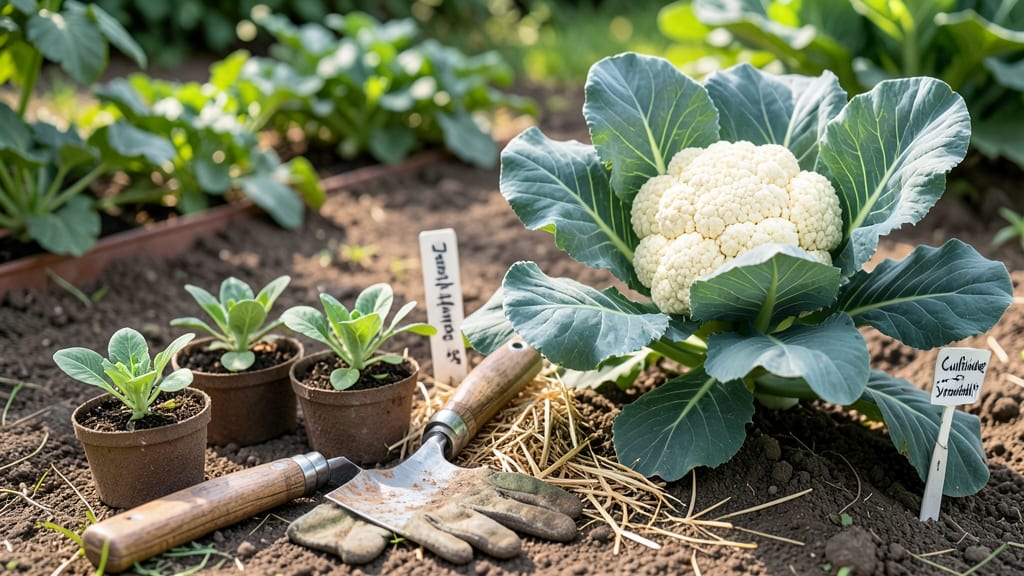
Timing your cauliflower 🥬 planting in North Carolina isn’t just about the calendar—it’s about dodging heat stress, avoiding bolting, and aligning with your local microclimate. Get it wrong, and you’ll end up with bitter heads or wasted effort, even in the same state.
Here’s the game-changer: Planting in USDA zones 7a-8b means your window shifts dramatically between northern mountains and coastal plains. A March transplant in Asheville might bolt by June, while August starts work perfectly in Wilmington—if you pick the right varieties.
I’ll break down the exact frost-free timeline for your region, including when to prep soil, space plants, and choose heat-tolerant varieties. No more guessing—just data-driven planting that guarantees a harvest from May through October.
Ready to turn your garden into a cauliflower powerhouse? Let’s get started with the first step that makes all the difference: knowing your last frost date—and how to work with it.
NC cauliflower planting dates by USDA hardiness zones (6b-8a)
North Carolina spans USDA Zones 6b through 8a, creating dramatic differences in frost dates—from Zone 6b’s chilly mountain valleys to Zone 8a’s mild coastal plains. Cauliflower thrives in cool weather, so planting too early or late risks bolting (premature flowering) or stunted growth.
Below are the exact transplant windows for each zone, based on local frost averages.
For spring harvests, aim to transplant 4-6 weeks before your last frost date. In fall, plant 10-12 weeks before the first frost to ensure mature heads. Southern NC growers can even try heat-tolerant varieties like ‘Cheddar’ in late summer for fall harvests.
Here’s your zone-by-zone breakdown of ideal transplant dates, including adjustments for high-elevation areas where frost lingers later:
| USDA Zone | Last Frost Date | Spring Transplant Window | Fall Transplant Window | Key Varieties |
|---|---|---|---|---|
| 6b (Mountains) | April 15 | March 1–15 | August 1–15 | ‘Snowball Y Improved’ |
| 7a (Piedmont) | March 31 | February 20–March 15 | July 15–August 1 | ‘Purple of Sicily’ |
| 7b (Coastal Plain) | March 15 | February 1–15 | July 1–15 | ‘Romanesco’ |
| 8a (Southern Coastal) | February 15 | January 15–February 15 | June 15–July 15 | ‘Cheddar’ (heat-tolerant) |
In Zone 6b, like in the Appalachian Mountains, frost can linger until April 15, so start seeds indoors in February for early transplants.
Meanwhile, Zone 8a growers in Wilmington or Morehead City can plant as early as January for spring harvests or even try fall transplants in June.
For high-elevation areas (e.g., Asheville or Boone), add 2-3 weeks to the frost dates listed above. Use row covers to protect seedlings from late frosts, which can delay growth by 3-4 weeks.
Pro tip: Direct-sow seeds in late summer (August–September) for fall harvests in Zones 7a–8a. This avoids transplant shock and extends your growing season by 4-6 weeks.
Always check your local Cooperative Extension Service for microclimate adjustments. For example, Raleigh’s urban heat island effect can make it 2–3°F warmer than rural areas just 10 miles away, delaying frost by 5–7 days.
🌱
How to adjust planting for NC’s microclimates (mountains vs. coastal)
North Carolina’s microclimates create dramatic differences in growing conditions—from the cool Appalachian Mountains to the humid Coastal Plain. Your cauliflower’s success depends on adapting planting times to these extremes.
In high-elevation zones like Asheville (Zone 7a), you can start seeds indoors by February 15 for transplanting by March 30, while coastal areas like Wilmington (Zone 8a) allow year-round planting with proper shade protection.
For Piedmont regions (e.g., Raleigh, Charlotte), heat spikes in late spring can stress cauliflower. Use heat-tolerant varieties like ‘Cheddar’ or ‘Purple of Sicily’ and plant late summer (August) for fall harvests.
In contrast, mountain zones benefit from extended cool seasons, letting you grow two crops: one in early spring and another in late summer.
Here’s how to tailor your approach based on NC’s three key microclimates:
| Microclimate | Key Challenge | Adjustment | Best Varieties |
|---|---|---|---|
| Mountains (e.g., Boone, Asheville) | Late frosts, short growing season | Start seeds indoors Feb 15; transplant March 30-April 15. Use row covers for frost protection. | ‘Snowball Y Improved’, ‘White Rabbit’ |
| Piedmont (e.g., Raleigh, Greensboro) | Heat stress in summer | Plant late summer (Aug 1-15) for fall harvest. Use shade cloth (30-50%) in peak sun. | ‘Cheddar’, ‘Purple of Sicily’ |
| Coastal Plain (e.g., Wilmington, Fayetteville) | Humidity, fungal diseases | Plant spring (Feb-March) or fall (Sept-Oct). Space plants 24” apart for airflow. | ‘Early Snowball’, ‘Romanesco’ |
In humid coastal areas, fungal diseases like downy mildew thrive. Space plants 24–36 inches apart and water at soil level (not overhead) to prevent leaf wetness. For mountain gardens, prioritize cold-hardy varieties and use black plastic mulch to warm soil in early spring.
Pro tip: If you’re in Zone 8a (coastal NC), you can grow cauliflower year-round with shade cloth and consistent watering. Start with smaller varieties like ‘Purple of Sicily’ to avoid heat stress. For mountain zones, focus on early maturing varieties (60–70 days) to beat summer heat.
Remember, microclimates can shift even within a county. Observe your garden’s sun exposure and wind patterns for a week before planting. A south-facing slope in the mountains may warm up faster than a valley floor, giving you an extra 2–3 weeks of growing time.
🌱