
Plants
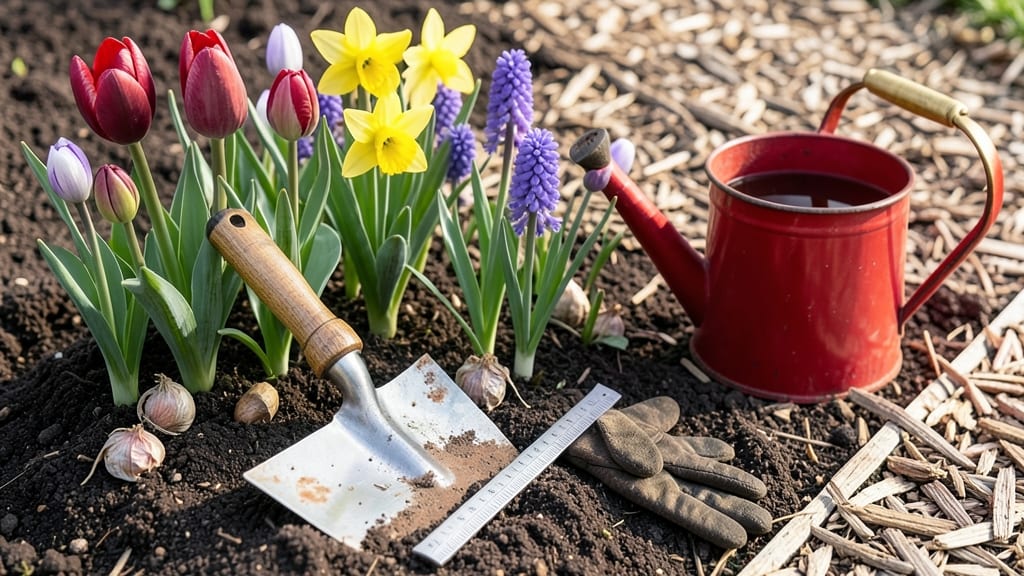
Timing your spring bulbs (e.g., tulips, daffodils, hyacinths) planting in Utah can feel like solving a puzzle—one wrong move, and frost ruins your plans. The key? Understanding your microclimate, whether you're in the Wasatch Front or high desert, where frost dates shift dramatically.
I’ll break down the exact windows to plant for zero-frost success, so you avoid common mistakes and get vibrant blooms next spring.
Utah’s 5b-7a zones mean your neighbors might be planting while you’re still debating whether to cover your bulbs. Wasatch Front gardeners can start as early as September, while high desert areas should wait until October or November.
The goal? Plant 6-8 weeks before the first frost, but with Utah’s unpredictable swings, flexibility is everything.
Let’s cut through the guesswork. You’ll discover how to adjust for your specific location, which bulbs thrive where you live, and pro tips to extend your planting season without risking frost damage. No more second-guessing—just confident, beautiful blooms come spring.
Ready to transform your Utah garden? I’ll walk you through every step, from soil prep to the last frost date, so your 🌷 spring bulbs shine brighter than ever.
Utah’s bulb planting zones: when to plant by microclimate
Utah’s diverse geography—from the Wasatch Front’s urban heat islands to the high desert’s cold snaps—means one planting time doesn’t fit all. Understanding your microclimate is key to avoiding frost damage. Most Utah gardens fall into USDA zones 5b-7a, but elevation shifts frost dates dramatically.
For example, Salt Lake City (zone 6a) averages its last frost around mid-October, while Moab (zone 7a) can plant until early November.
High desert areas like Kaysville or Logan experience earlier frosts due to cooler nights, while southern Utah’s red rock regions often stay frost-free longer. Always check your local Almanac frost dates, but remember: these are averages. A late-summer heatwave or early October snowstorm can throw off timelines by weeks.
Here’s how to align your planting with Utah’s three key microclimates:
| Microclimate | USDA Zone | Last Frost Date | Ideal Planting Window | Notes |
|---|---|---|---|---|
| Wasatch Front (Salt Lake City, Provo) | 6a-7a | Mid-October | Late September–early October | Urban heat delays frost; plant earlier if soil cools quickly. |
| High Desert (Logan, Kaysville) | 5b-6a | Early October | Mid-September–late September | Cooler nights; prioritize hardy bulbs like daffodils. |
| Southern Utah (St. George, Moab) | 7a-8a | Late October–November | October–early November | Warmer soils; tulips thrive here with winter watering. |
| Mountain Valleys (Park City, Ogden) | 5a-6b | Late September–early October | Late August–mid-September | Variable; test soil temp (60°F) before planting. |
For high-altitude gardens above 6,000 feet, like those in Park City or Heber Valley, plant 4-6 weeks earlier than your zone’s average. These areas can experience sudden cold snaps in September. Use a soil thermometer—bulbs need 60°F soil for root growth but shouldn’t sprout before frost.
Pro tip: If you’re unsure about your local frost dates, check the Utah Climate Center’s frost calendar or ask at your county extension office. They track real-time data that’s far more accurate than national averages.
For example, Ogden’s frost dates can vary by 10 days from one year to the next!
Once you’ve nailed down your microclimate, focus on planting depth and spacing. In Utah’s clay-heavy soils, plant bulbs twice as deep as their diameter to avoid rot.
For sandy desert soils, shallow planting (4 inches deep) prevents dehydration. Always add a 2-inch layer of compost to improve drainage—this is non-negotiable in Utah’s alkaline soils.
Timing isn’t just about frost—it’s also about water availability. Plant bulbs when soil moisture is consistent but not soggy. In drought-prone areas like Washington County, aim for late October planting to take advantage of winter rains.
Overwatering before dormancy can lead to bulb rot, a common Utah gardening mistake.
Finally, adjust for bulb type. Daffodils and crocuses are the most frost-hardy and can handle zone 3 conditions, while tulips and hyacinths prefer zone 5+. In northern Utah’s colder pockets, opt for native bulbs like Fritillaria, which thrive in USDA zone 4.
Mastering Utah’s bulb planting windows takes practice, but with these microclimate guidelines, you’ll minimize frost risk and maximize spring blo
Best bulbs for Utah’s climate: frost-tolerant varieties that thrive
Utah’s cold winters and hot summers demand bulbs that handle extremes. The right varieties will reward you with vibrant blooms year after year, even in USDA zones 4-9. My top picks? Daffodils (zone 3 hardiness), tulips (zone 5), and alliums (zone 4), plus native gems like Calochortus (zone 6).
These bulbs thrive in Utah’s dry climate and variable frost dates.
Start with daffodils—they’re Utah’s most reliable spring bloomers. Their frost resistance and deer resistance make them a no-brainer. Tulips, while stunning, need a bit more care in Utah’s hot summers, so opt for Darwin hybrid tulips for better heat tolerance.
For something truly unique, try alliums—their globe-shaped blooms add drama and attract pollinators.
Don’t overlook native Utah bulbs like Calochortus (mariposa lilies). These beauties thrive in high desert regions and mountain valleys, where other bulbs might struggle. They’re also drought-tolerant once established, perfect for Utah’s low-water landscapes. Pair them with crocuses for early spring color or hyacinths for fragrance.
Here’s a quick guide to the best bulbs for Utah’s microclimates:
| Variety | Bloom Time | Cold Hardiness | Utah Care Tip |
|---|---|---|---|
| Daffodils | Early Spring | Zone 3 | Plant in September for Wasatch Front; October for high desert. |
| Tulips (Darwin Hybrids) | Mid-Spring | Zone 5 | Avoid clay soil; amend with sand for drainage. |
| Alliums | Late Spring | Zone 4 | Perfect for rock gardens; needs full sun. |
| Calochortus (Mariposa Lily) | Early Summer | Zone 6 | Native to Utah; drought-resistant once established. |
| Crocuses | Very Early Spring | Zone 3 | Plant in September for early blooms. |
For Wasatch Front gardens, focus on early-blooming bulbs like crocuses and daffodils. In high desert areas, prioritize late-season bloomers such as alliums and Calochortus to escape summer heat.
Always plant bulbs 6-8 weeks before your first frost, adjusting for Utah’s microclimates—like planting in October for desert regions and September for cooler valleys.
Pro tip: Layer bulbs for continuous color. Plant crocuses in fall, followed by daffodils, then tulips in early winter. This creates a staggered bloom sequence that keeps your garden vibrant from early spring to summer.
Just remember—water sparingly once established, as Utah’s dry soil can be tricky for new plants.
With the right bulbs and timing, your Utah garden will burst into color—year after year, no frost required! 🌷