
Plants
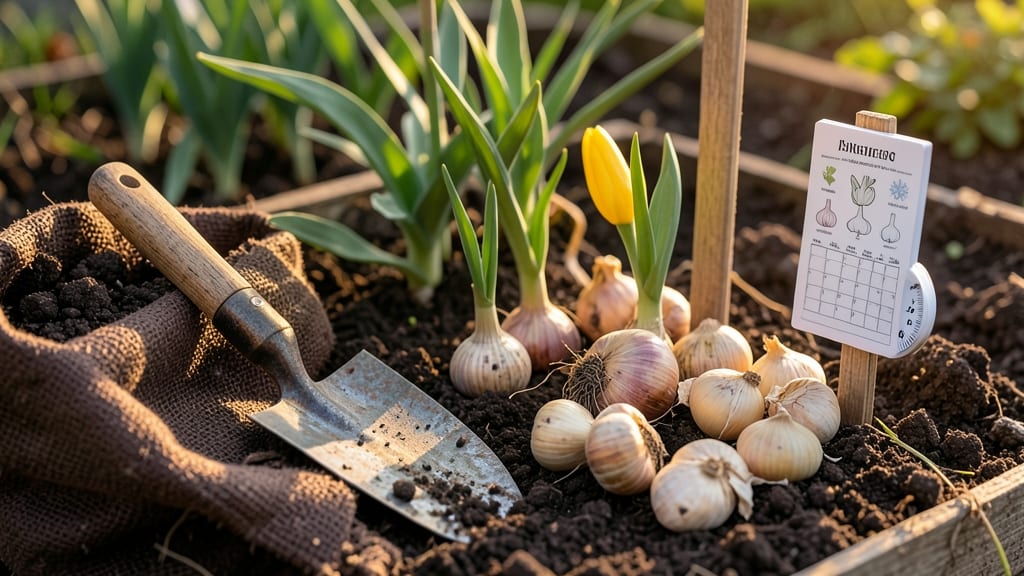
Indiana’s optimal fall planting deadlines by bulb type
Indiana’s USDA Zone 5-6 climate demands precision when planting bulbs—miss the window, and your spring blooms vanish before they bloom. Most bulbs need 6-8 weeks to establish roots before the ground freezes, typically around mid-October in northern Indiana and late October in southern regions.
Check your local first frost date (usually October 15) and plant accordingly.
For tulips and daffodils, aim for September through early November, but avoid planting after soil temperatures drop below 50°F. Crocuses and snowdrops are more forgiving—they can handle cooler soils and even light frosts after planting.
Always plant bulbs 3x their depth (e.g., 6-inch-deep for standard tulips) to protect them from freeze-thaw cycles.
| Bulb Type | Ideal Planting Window | Soil Temp Threshold | Depth (inches) | Notes |
|---|---|---|---|---|
| Tulips | Late September–early November | Above 50°F | 6–8 | Needs well-draining soil; plant early for best blooms. |
| Daffodils | October–early December | Above 40°F | 6–8 | Deer-resistant; tolerates wetter soils. |
| Crocuses | September–November | Above 45°F | 3–4 | Early bloomers; great for lawn edges. |
| Alliums | October–November | Above 40°F | 6–8 | Drought-tolerant; attracts pollinators. |
| Hyacinths | September–October | Above 50°F | 6–8 | Fragrant but needs full sun; plant early. |
Northern Indiana gardeners (e.g., Zone 5) should prioritize September planting to avoid early freezes, while southern Indiana (e.g., Zone 6) can push bulbs into early December. Use a soil thermometer to confirm temps—plant only when readings stay above 50°F for 3+ days.
Pro tip: Mulch with 3–4 inches of straw after planting to insulate bulbs from temperature swings.
If you’re unsure about your frost date, check the Indiana State Climate Office or use the National Weather Service’s Frost/Freeze Predictions. For late-season planters, consider container gardening—fill pots with bulbs in early November and move them to a garage or unheated shed until spring.
This extends your planting window by 4–6 weeks without risking frost damage.
Don’t overlook soil preparation. Amend your garden beds with compost or aged manure to improve drainage, especially in clay-heavy Indiana soils. Bulbs rot in soggy conditions, so avoid planting in low-lying areas where water pools.
A slightly acidic to neutral pH (6.0–7.0) is ideal for most bulbs, but blueberries and rhododendrons (if planted) need acidic soil (4.5–5.5).
For spring-blooming bulbs like crocuses, plant 4–6 weeks before the first hard frost (usually by October 15). These hardy bulbs can even sprout through light snow, offering early color when few other plants are awake.
Pair them with hebes or winter pansies for year-round interest. Remember: No fertilizer at planting—bulbs thrive on natural soil nutrients and may rot if over-fertilized.
If you’re planting summer-blooming bulbs like dahlias or gladiolas, wait until spring (after the last frost) and plant 2
Indiana’s optimal fall planting deadlines by bulb type
Indiana’s USDA Zones 5-6 demand precision when planting bulbs—aim for 6-8 weeks before the first hard frost (usually mid-October for most regions). For northern Indiana, start by early September; southern areas can wait until late October. Soil temperatures should stay above 60°F (15°C) for roots to establish.
Most spring-blooming bulbs (tulips, daffodils, crocuses) thrive when planted in cool fall soil. Summer-blooming varieties like dahlias or gladiolus need a spring planting window (March-April) instead. Check local frost dates via the Indiana State Climate Office for adjustments.
| Bulb Type | Ideal Planting Window | Soil Temp Threshold | Depth (inches) |
|---|---|---|---|
| Tulips | Late Sept–Oct | 60–70°F (15–21°C) | 6–8" |
| Daffodils | Oct–Nov | 50–60°F (10–15°C) | 6–8" |
| Crocuses | Sept–Oct | 50–60°F (10–15°C) | 3–4" |
| Alliums | Sept–Oct | 55–65°F (13–18°C) | 6–8" |
| Dahlias (Spring) | March–April | 50°F+ (10°C+) | 4–6" |
For northern Indiana, prioritize early planting by mid-September to avoid early frosts. Southern Indiana gardeners can extend deadlines to early November, but avoid planting when soil temps drop below 50°F (10°C). Use a soil thermometer to confirm readiness—roots need warmth to anchor before winter.
Pro tip: Plant daffodils and alliums first—they’re deer-resistant and hardy enough to handle Indiana’s freeze-thaw cycles. Tulips and crocuses follow, with hyacinths needing the latest start (late October) for full blooms next spring.
Mulch with 3–4 inches of straw after planting to insulate bulbs from temperature swings. This extra layer can push your deadline 1–2 weeks later in marginal climates like Zone 5b.
Missed the fall window? Don’t panic—container planting lets you extend deadlines until early December, though spring blooms may be delayed. Just use a well-draining mix and keep pots in a protected location.