
Plants
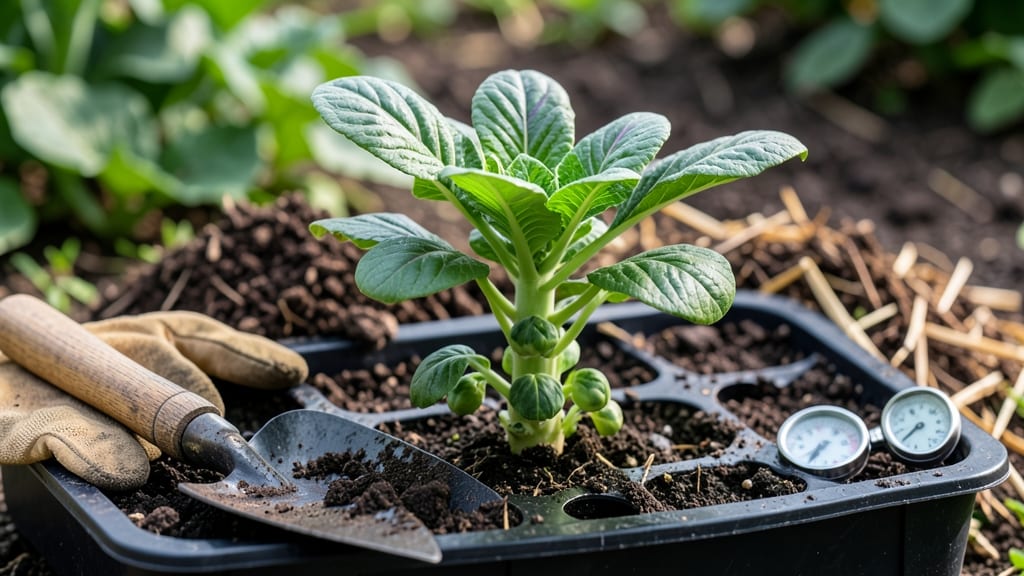
The perfect timing for planting brussel sprouts 🥦 in Wisconsin can make or break your harvest—get it wrong, and you’ll either face frost damage or miss the sweetest flavor window. With Wisconsin’s diverse microclimates, from Milwaukee’s urban heat pockets to the Upper Peninsula’s shorter seasons, knowing exactly when to start seeds or transplant is the key to success.
Most gardeners in zones 4b-6a can start seeds indoors 8-10 weeks before the last expected frost (late March to mid-April), but direct sowing in spring should wait until late May to early June when soil temperatures are stable.
Fall plantings? Aim for early July to early August to ensure a harvest before the first frost hits in October.
Why does this matter? Brussel sprouts need 90-120 days to mature, and Wisconsin’s unpredictable weather means one wrong move could leave you with bitter, underdeveloped sprouts—or worse, a crop lost to early frost.
I’ll break down the exact planting windows for your region, plus pro tips to adjust for late starts or early freezes.
Ready to grow homegrown brussel sprouts that outshine store-bought? Let’s dive into the frost-free deadlines and microclimate adjustments that’ll have you harvesting crisp, flavorful sprouts from October to December.
Wisconsin’s ideal planting windows for brussel sprouts by region
Wisconsin’s three distinct climate zones mean your brussel sprout planting timeline should vary dramatically from Madison to the Upper Peninsula. Southern Wisconsin’s longer growing season (USDA Zones 5b-6a) allows for two planting windows, while northern areas (Zone 4b) may only support one.
Let’s break down the optimal frost-free deadlines for each region to maximize your harvest.
Brussel sprouts thrive with 90-120 frost-free days, so timing is critical. In southern Wisconsin, you can plant both spring and fall crops, but northern gardeners should focus on early spring starts or fast-maturing varieties.
Always check the Wisconsin State Climatology Office for your specific last spring frost and first fall frost dates before finalizing your schedule.
For southern Wisconsin, aim to transplant 4-6 weeks before your first fall frost (typically mid-September).
In Madison, this means starting seeds indoors by late July for a fall crop. Milwaukee’s urban heat island can extend your season by 1-2 weeks, so adjust accordingly by monitoring local weather forecasts.
Central Wisconsin gardeners should prioritize spring planting due to shorter summers. The Green Bay area has a 150-day growing season, so focus on early-maturing varieties like 'Jade Cross' (ready in 85 days).
Use black plastic mulch to warm soil and push your planting window 2 weeks earlier in cooler microclimates near lakes.
Northern Wisconsin presents unique challenges. The Upper Peninsula’s 90-day growing season makes fall planting nearly impossible. Instead, start seeds indoors by late March and transplant hardened-off seedlings by early June.
Choose dwarf varieties like 'Ruby Ball' (ready in 90 days) to maximize your harvest before first frost in mid-October.
Pro tip: Lakeside properties can have microclimates 5-10°F warmer than inland areas. Plant 1-2 weeks later near Lake Michigan or Lake Superior to avoid early spring frosts that damage young seedlings. Always have row covers ready for late May surprises!
Remember that soil temperature is more critical than air temperature for brussel sprouts. Use a soil thermometer to confirm 45°F+ before planting outdoors. In northern Wisconsin, this may not occur until late May or early June, delaying your outdoor planting window significantly.
For fall crops, southern Wisconsin gardeners have the most flexibility. Start seeds indoors by early July for transplanting by mid-August. This gives your plants 90-100 days to mature before frost. Northern gardeners should avoid fall planting entirely—focus on spring harvests instead.
🌱
How to adjust planting dates for Wisconsin’s unpredictable weather patterns
Wisconsin’s variable frost dates and microclimates mean your brussel sprout planting timeline should be flexible. For example, Milwaukee’s urban areas often see earlier last frosts (mid-April) than rural Upper Peninsula zones (late May).
Use the Wisconsin State Climatology Office’s frost maps to refine your schedule—especially if you’re in Zone 4b areas like Green Bay or Wausau, where cold snaps linger longer.
Start seeds indoors 8-10 weeks before your last frost date for a fall harvest. In southern Wisconsin, this means mid-May transplants; in the north, wait until June 1st or later.
For direct sowing, wait until soil temps hit 45°F+—test with a soil thermometer to avoid slow germination in cool springs.
- 1. Use row covers to extend spring planting by 2-3 weeks in Zone 5a areas like Madison.
- 2. Choose early varieties (e.g., 'Ruby Ball') for short-season zones (e.g., Duluth), maturing in 85-90 days.
- 3. Plant a second crop in early July for a fall harvest before first frost (aim for 90-day varieties).
- 4. Monitor lake-effect zones (e.g., Green Bay): Lake Michigan can delay last frosts by 1-2 weeks.
- 5. Harden off seedlings for 2 weeks before transplanting in cooler climates (e.g., UP) to reduce transplant shock.
For high-risk zones like the Driftless Area, where late frosts are common, opt for late-maturing varieties (e.g., 'Long Island Improved') and use cold frames to protect young plants.
If you’re in Zone 6a (e.g., Milwaukee), you can push fall planting to early August—just ensure sprouts mature before mid-October frosts.
Always check local weather forecasts 1-2 weeks before transplanting. A 5-day forecast predicting 40°F nights means delay planting or use row covers.
In northern Wisconsin, where growing seasons are 150-160 days, focus on early varieties and direct sowing—indoor starts won’t have enough time to mature before frost.
Pro tip: Keep a planting journal to track your local frost dates over years. Wisconsin’s climate shifts mean last frost dates can vary by 10+ days from year to year. For example, Madison’s last frost moved up 3 days earlier on average in the last decade—adjust your timeline accordingly.
Finally, if you’re in a warmer microclimate (e.g., urban Milwaukee), you might squeeze in a second fall crop by late July. But in cooler zones (e.g., Iron Range), stick to one spring crop and harvest before hard frosts in September. Flexibility is key!