
Plants
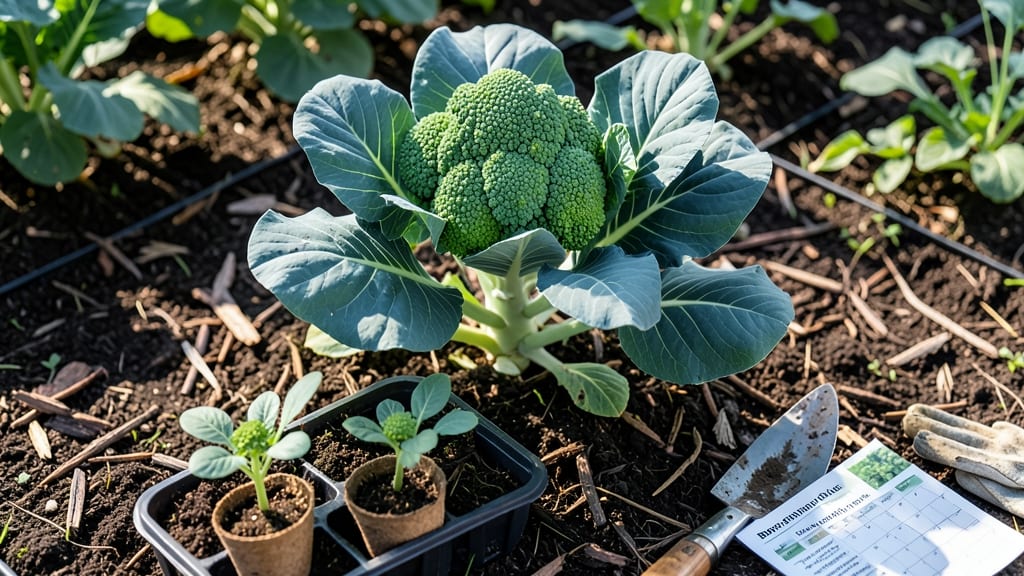
Timing your 🥦 broccoli planting in Indiana isn’t just about throwing seeds in the dirt—it’s the difference between a bumper crop and a sad, wilted disappointment. With Indiana’s 6a climate and unpredictable spring weather, knowing the exact frost-free deadlines can mean the difference between thriving plants and wasted effort.
Most Indiana gardeners plant broccoli in early spring, but did you know there’s also a late-summer window that often gets overlooked?
I’ll break down the perfect planting windows for both seasons, including soil temperature tips and how to adjust for your specific last-frost date—because even a week too early or late can throw off your entire harvest.
Whether you’re a first-time gardener or a seasoned green thumb, this guide will help you avoid common mistakes like planting too close to frost or choosing the wrong varieties for Indiana’s short growing season.
You’ll learn which broccoli types handle heat best, how to extend your harvest with simple tricks, and exactly when to start seeds indoors for maximum success.
Ready to grow broccoli that’s bigger, healthier, and ready to harvest at the perfect time? Let’s get started with the zone-specific planting schedule that’ll make your garden the envy of the neighborhood.
Indiana’s broccoli planting calendar: exact dates by Zone 5b/6a
Indiana’s USDA Zones 5b and 6a bring unique challenges for broccoli growers, with last frost dates ranging from April 15 in southern Indiana to May 1 in northern areas.
To avoid frost damage, I plant broccoli 4-6 weeks before the last frost date in spring and 8-10 weeks before the first frost in fall. This timing ensures a 60-80 day growth window for mature heads.
For Zone 5b (northern Indiana), aim to plant broccoli between March 15 and April 15 for spring harvests, and August 1 to September 1 for fall harvests.
In Zone 6a (southern Indiana), you can start slightly earlier—March 1 to April 1 for spring and August 15 to September 15 for fall. These windows maximize your 165 frost-free days in Indiana.
Soil temperature is critical—broccoli seeds need 40-50°F soil to germinate. In Indiana, this typically aligns with late March to early April for spring planting. Use a soil thermometer to confirm readiness, especially in cooler years. If soil is too cold, seeds may rot instead of sprouting.
Here’s my Indiana-specific planting timeline to help you visualize the best windows for both spring and fall crops:
| Planting Window | Zone 5b (Northern IN) | Zone 6a (Southern IN) | Key Notes |
|---|---|---|---|
| Spring Planting | March 15 - April 15 | March 1 - April 1 | Start indoors 6-8 weeks before last frost |
| Fall Planting | August 1 - September 1 | August 15 - September 15 | Aim for 60-80 day maturity before first frost |
| Succession Planting | Every 2-3 weeks until May 1 | Every 2-3 weeks until May 15 | Stagger plantings for continuous harvest |
| Soil Temp Requirement | 40-50°F | 40-50°F | Use row covers if soil is too cold |
Indiana’s unpredictable spring weather can throw off even the best-laid plans. To hedge your bets, I recommend planting half your seeds indoors 6-8 weeks before the last frost date.
Transplant seedlings outdoors 2-3 weeks before the last expected frost, hardening them off first. This gives young plants a head start against late frosts.
For fall planting, focus on heat-tolerant varieties like ‘Calabrese’ to avoid bolting (premature flowering) as summer heat lingers. Start seeds indoors in late July and transplant by mid-August to ensure a harvest before the first frost. In Zone 5b, this means aiming for a September 15 transplant deadline.
Don’t overlook succession planting—it’s the secret to a steady broccoli supply. In Indiana, I plant every 2-3 weeks from March until May 1 (Zone 5b) or May 15 (Zone 6a).
This method fills gaps in your harvest and reduces the risk of losing an entire crop to pests or weather. Pair this with companion planting (like dill or onions) to deter cabbage worms and aphids.
Protecting young seedlings from late spring frosts is non-negotiable. I use floating row covers or lightweight plastic mulch to shield plants until they’re established. In Zone 5b, where frosts can linger into May, this extra protection can mean the difference between a thriving crop and a failed one.
Finally, monitor your local frost dates using resources like the Old Farmer’s Almanac or your local Cooperative Extension Service. Indiana’s microclimates vary—urban areas may warm up faster than rural spots, so adjust your planting dates accordingly. With the right timing, you’ll enjoy homegrown broccoli from May through November!
How to extend your broccoli harvest in Indiana’s short growing season
Indiana’s short growing season (just 165 frost-free days) can make broccoli harvests feel like a race against time—but with the right strategies, you can stretch your yield from one harvest to three or more.
The key? Succession planting, cold-hardy varieties, and protective techniques like row covers. Let’s break down how to maximize your broccoli production without overcrowding your garden.
Start by planning for three planting windows: early spring, late summer, and a bonus fall crop. For example, my Zone 6a garden in northern Indiana yields broccoli in May, July, and October—all from the same seed packets!
The trick is adjusting timing based on your last frost date (April 15) and first frost date (October 15).
Here’s how to extend your harvest without sacrificing quality:
Plant cold-hardy varieties like ‘De Cicco’ 4-6 weeks before your last frost (late February to early March). Use row covers to protect seedlings from late frosts (common in Indiana’s Zone 5b/6a). Harvest heads by late May to avoid bolting.
Sow heat-tolerant varieties like ‘Calabrese’ 8-10 weeks before your first frost (late July to early August). Space plants 18 inches apart to prevent crowding. Harvest by early October before cool nights trigger bolting.
For a third harvest, plant ‘Waltham 29’ in early September and cover with frost cloth when temperatures dip below 40°F. This buys you 4-6 extra weeks of harvest time into November.
Use floating row covers to shield plants from pests (cabbage worms, flea beetles) and light frosts. Remove covers during pollination (when flowers appear) to avoid interfering with broccoli head formation.
Plant dill, onions, or mint nearby to repel pests and improve growth. Avoid planting near tomatoes or strawberries, which compete for nutrients and attract shared pests.
Don’t forget to fertilize strategically—broccoli is a heavy feeder! Apply a balanced 10-10-10 fertilizer at planting and again when plants reach 4-6 inches tall.
For fall crops, add a low-nitrogen fertilizer (like 5-10-10) 6-8 weeks before harvest to boost head size without promoting late-season growth that won’t mature before frost.
With these techniques, my Indiana garden produces enough broccoli for family meals and freezing—all while working with the state’s unpredictable climate. The secret? Flexibility and protection. Start small with one succession planting, then expand as you gain confidence!
🌱