
Plants
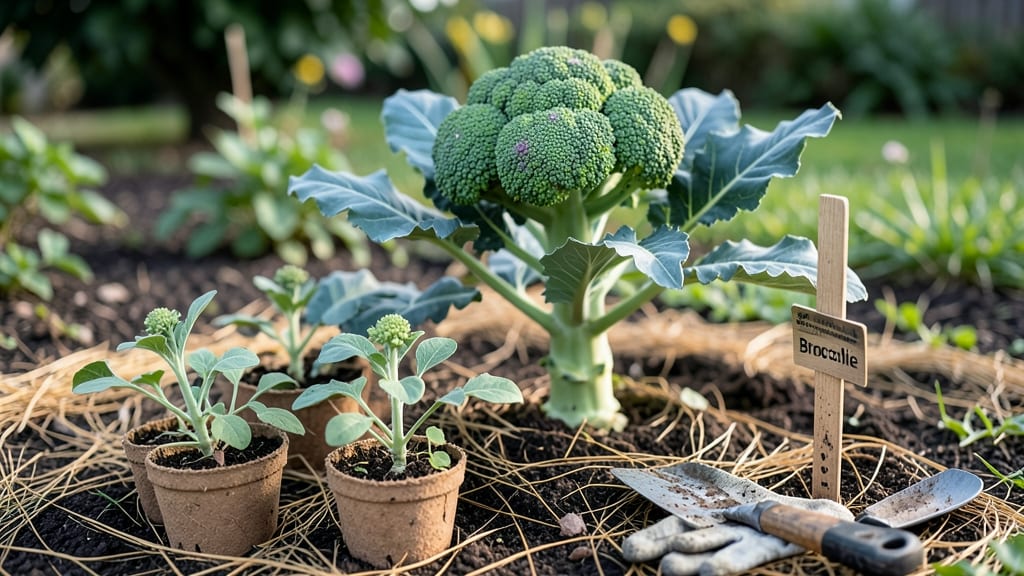
Timing your broccoli planting in Arizona isn’t just about luck—it’s about beating the heat to grow crisp, flavorful heads instead of bitter bolts. With the right schedule, you can enjoy a thriving 🥦 harvest even in the desert’s challenging climate.
Most gardeners in USDA Zone 9b know the struggle: plant too early, and your broccoli bolts before it matures; too late, and you miss the cool-season window entirely.
The key is planting between September and October for fall harvests or February and March for spring, when temperatures stay mild enough to prevent stress.
But here’s the game-changer: Arizona’s high deserts (like Flagstaff) and low deserts (Phoenix, Tucson) have different microclimates. I’ll break down the exact timing for each, plus pro tips to extend your growing season—so you can avoid the dreaded bolting and enjoy fresh broccoli straight from your garden.
Ready to transform your backyard into a broccoli powerhouse? Let’s dive into the strategies that work in Arizona’s unique conditions, from soil prep to watering hacks that keep your plants happy year-round.
Best planting times for broccoli in Arizona’s climate zones
Arizona’s diverse microclimates mean your broccoli planting window depends on whether you're in Phoenix’s low desert, Tucson’s mid-elevation, or Flagstaff’s high country. The key is planting when daytime highs stay below 75°F (24°C) to prevent bolting—the process where broccoli flowers prematurely and becomes bitter.
Let’s break down the exact months for each zone.
For low-desert areas like Phoenix and Tucson (USDA Zone 9b), aim for mid-September to early October for fall plantings. This gives your broccoli 60-70 days of cool weather before winter temperatures drop.
Spring plantings should happen late February to early March, right after the last frost risk (typically around January 15 in most areas).
In higher elevations like Flagstaff (USDA Zone 7b), you can plant as late as October for fall crops, thanks to cooler nights. Spring plantings here shift to mid-March to avoid late frosts.
The first frost date in these areas is usually December 15, giving you a longer growing window than in the desert.
| Climate Zone | Fall Planting Window | Spring Planting Window | Key Temperature Threshold | First Frost Date |
|---|---|---|---|---|
| Phoenix/Tucson (Low Desert) | Mid-Sept to Early Oct | Late Feb to Early March | Daytime highs <75°F | Dec 15 |
| Sedona (Mid-Elevation) | Late Sept to Mid-Oct | Early March | Daytime highs <70°F | Nov 20 |
| Flagstaff (High Country) | Oct to Early Nov | Mid-March to Early April | Daytime highs <65°F | Dec 1 |
If you’re in transition zones like Prescott or Yuma, check your local cooperative extension office for precise frost dates. These areas can have 10-14 days earlier or later frost dates than the averages above.
For example, Yuma’s desert climate allows for a second fall planting in November, while Prescott’s higher elevation may need to delay spring plantings until late March.
For container gardening in Phoenix or Tucson, you can push the envelope slightly by planting in August using 50% shade cloth. This creates a microclimate that keeps soil temperatures down.
Just be prepared to harvest 30% faster than usual due to the heat stress. I’ve successfully grown Calabrese broccoli this way, though the heads were smaller but still delicious.
One critical mistake I’ve seen new gardeners make is planting too early in spring. By March 15, daytime temperatures in Phoenix often exceed 80°F (27°C), causing broccoli to bolt within 10-14 days.
Always check the 7-day forecast before planting—aim for days when the high stays below 75°F (24°C) and nights dip below 60°F (15°C).
Pro tip: Use a soil thermometer to monitor temperatures. Broccoli seeds won’t germinate well in soil above 85°F (29°C). If your soil is too hot, wait until evening to plant and water immediately to cool the soil surface.
This simple trick can add 2-3 weeks to your planting window in extreme heat.
Remember, Arizona’s altitude plays a huge role. For every 1,000 feet elevation gain, you can plant 3-5 days later in fall and 5-7 days earlier in spring. So if you’re at 5,000 feet in the White Mountains, your windows shift accordingly. Always adjust for your specific location!
Finally, consider heat-tolerant varieties like ‘Waltham 29’ or ‘De Cicco’ if you’re pushing the limits. These can handle slightly warmer conditions than standard varieties, giving you 10-14 extra days of planting flexibility in marginal zones. Pair them with drip irrigation to maintain consistent moisture, and you’ll maximize your harvest potential.
Best planting times for broccoli in Arizona’s climate zones
Arizona’s diverse climate zones—from the high desert of Flagstaff to the scorching low desert of Phoenix—create unique challenges for growing cool-season crops like broccoli.
The key to success lies in planting during the optimal temperature windows when days are shorter and nights remain cool enough to prevent premature bolting. In most of Arizona, this means focusing on fall and early spring plantings, with adjustments based on your specific USDA zone.
For low-desert regions (Phoenix, Tucson, Yuma), where summer temperatures often exceed 100°F (38°C), broccoli simply won’t survive direct planting. Instead, aim for September-October plantings to take advantage of cooling temperatures before winter sets in.
Meanwhile, high-desert areas (Flagstaff, Prescott) can extend their growing season slightly later, with October-November plantings often yielding better results due to cooler nights.
Here’s the critical window for each Arizona region to plant broccoli and avoid heat stress:
| Region | Best Planting Months | Avoid Planting After | Key Tip |
|---|---|---|---|
| Low Desert (Phoenix, Tucson) | September-October | November 15 | Use 30% shade cloth to protect from intense sun |
| High Desert (Flagstaff, Prescott) | October-November | December 1 | Mulch heavily to retain soil moisture |
| Spring Planting (All Regions) | February-March | April 15 | Start seeds indoors 4-6 weeks before last frost |
If you’re in Zone 9b (most of Arizona), your last frost date is typically around December 15, but broccoli can often survive light frosts down to 28°F (-2°C).
This means you can push your fall planting slightly later if you use row covers or cold frames to protect young seedlings. For spring plantings, wait until soil temperatures drop below 85°F (29°C)—usually after March 1 in most areas.
One common mistake Arizona gardeners make is planting too early in fall, when soil temperatures are still warm. To avoid this, test your soil temperature with a soil thermometer—ideal planting temps should be between 60-70°F (15-21°C).
If your soil is warmer, wait a few weeks or use shade cloth to cool it down faster.
For those in higher elevations like Flagstaff, you can even try a late-summer planting in August if you’re using shade cloth and consistent irrigation.
The key is monitoring your plants closely for signs of stress—yellowing leaves or rapid stalk elongation are early warnings that your broccoli is bolting due to heat.