
Plants
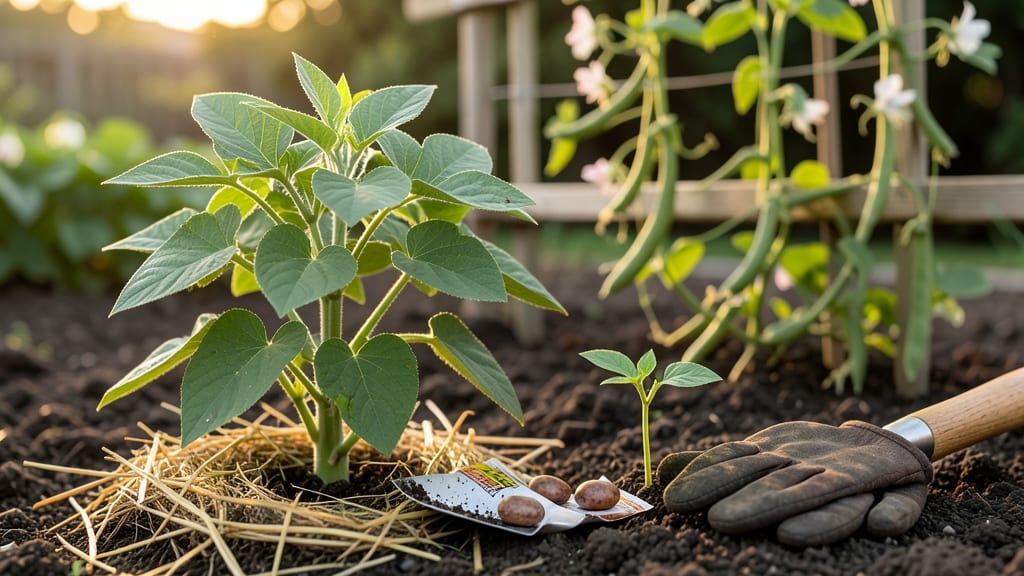
Timing your beans planting in Utah could mean the difference between a bountiful harvest and a sad, wilted garden. With frost dates shifting from April 15 in the valleys to much later in mountain regions, getting this right is everything.
I’ve grown 🌱 beans across Utah’s diverse zones—from the Salt Lake Valley’s heat pockets to the cooler foothills—and the wrong planting window can leave you with stunted plants or no harvest at all. The key? Knowing exactly when soil warms to 60°F and adjusting for your microclimate.
In this guide, I’ll break down the best planting windows for your specific area, whether you’re in the Wasatch Front or Southern Utah’s high desert. You’ll also learn how to extend your growing season for a fall harvest, so you’re not left scrambling when the first frost hits.
Ready to grow beans that thrive? Let’s get you planted at the perfect moment for your Utah zone.
Utah microclimate planting zones for beans: exact dates by region
Utah’s diverse microclimates create unique challenges for growing beans. From the hot, dry valleys of Southern Utah to the cooler mountain foothills near Salt Lake City, timing is everything. Plant too early, and a late frost will kill your seedlings.
Plant too late, and your beans won’t mature before the first frost. Let’s break down the optimal planting windows for Utah’s five key regions.
First, check your last frost date. Most of Utah experiences its final frost between April 1-15, but elevations above 6,000 feet can see frost as late as May 10.
Beans thrive in warm soil (60°F+), so wait until soil temperatures stabilize before planting. Use a soil thermometer to confirm—this is critical for avoiding stunted growth.
Now, let’s dive into the region-specific planting zones for beans in Utah. Whether you’re in the Salt Lake Valley, Cache Valley, or the high desert, these dates will maximize your yield.
For fall harvests, plant again in late July (after July 20) for a late-season crop. This works best in low-elevation areas like Southern Utah, where the growing season extends longer. In higher elevations, focus on spring planting only—fall beans won’t mature before the first frost.
Pro tip: If you’re unsure about your region’s frost dates, check the Utah State University Extension’s frost calendar or use a frost-free date map
How to adjust bean planting dates for Utah’s unpredictable weather patterns
Utah’s weather can shift faster than a desert wind, leaving gardeners scrambling when late frosts or early heatwaves threaten tender bean seedlings. The key to success? Flexibility. I’ve learned to adjust planting schedules based on soil temperatures, elevation changes, and weather forecasts—not just calendar dates.
For example, high-elevation areas like Park City may need to wait until May 15 for safe planting, while lowland spots like St. George can start as early as March 20.
Always monitor soil warmth—beans need soil at 60°F or above to germinate properly. I use a soil thermometer to check daily, especially in spring’s unpredictable transition months. If your soil stays below 55°F for more than a week, delay planting until conditions improve.
Cold soil slows germination and invites fungal diseases like damping-off, which can wipe out seedlings overnight.
For gardeners in southern Utah or the Wasatch Front, where heat arrives early, consider a fall planting of quick-maturing varieties like ‘Blue Lake’ beans. Sow seeds around July 15 for a harvest before the first frost.
This strategy extends your growing season by 6-8 weeks and avoids the summer’s brutal heat that can stress plants.
If you’re unsure about your local frost dates, check the Utah Climate Center’s historical data or use the National Weather Service’s frost prediction maps. I also set up frost alarms in my garden—simple DIY devices that alert me when temperatures drop below 32°F.
For high-value crops like pole beans, I’ve even installed low tunnels to protect young plants during unexpected cold snaps.
Don’t forget about elevation adjustments. Every 1,000 feet gain in altitude can delay your planting window by 3-5 days. For instance, if you’re gardening in Cache Valley (4,500 ft), aim for April 25 planting, but shift to May 10 if you’re in Logan Canyon (6,000 ft).
Use this rule of thumb: Add 1 day of delay per 300 feet of elevation.
Finally, keep a backup planting plan. If your first attempt fails due to frost or disease, have succession plantings ready every 2 weeks until June 15. This staggered approach ensures a steady supply of fresh beans all summer, no matter what Mother Nature throws your way.
With these adjustments, you’ll turn Utah’s unpredictable weather into an advantage—not a setback.