
Plants
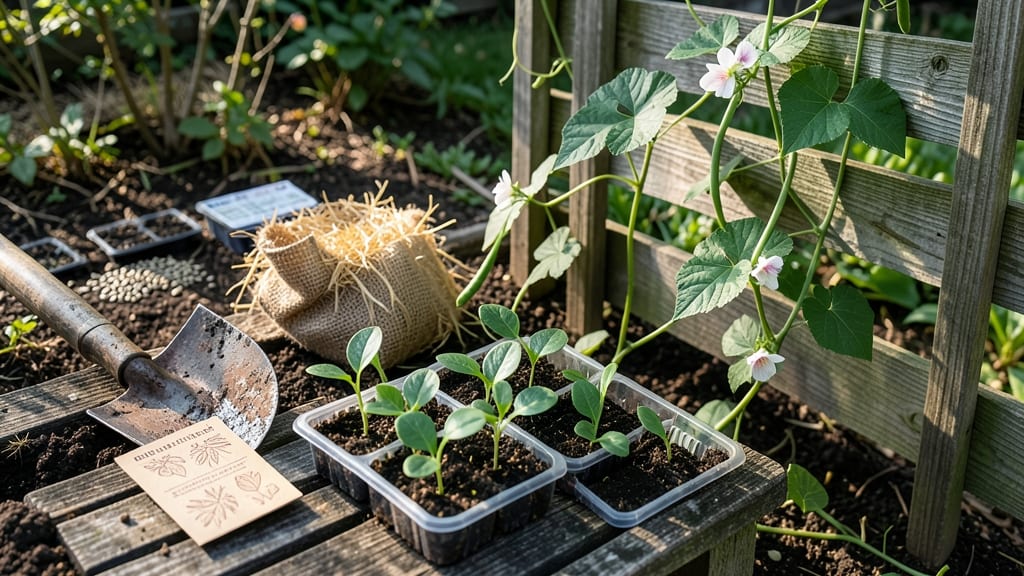
NJ bean planting calendar: frost dates and ideal soil temperatures by variety
New Jersey’s USDA zones 6a-7b mean your bean planting window hinges on last frost dates (typically April 15–May 15) and soil temperatures. Beans need soil at least 60°F to germinate—waiting too long risks summer’s 90°F+ heat, which stunts growth.
I’ve planted bush beans and pole beans for years in NJ, and timing is everything for a bountiful harvest.
For spring planting, aim to sow seeds 2–4 weeks after your last frost date.
In NJ, that’s usually mid-April to early May, but check your local microclimate—coastal areas warm faster than inland spots. Fall planting is also possible, with seeds going in mid-August to early September for a late-summer harvest before the first frost.
🌱 Did You Know? NJ’s frost-free season averages 165 days, but heat waves can cut it short. Planting too late leaves beans vulnerable to blight and pests like Mexican bean beetles. I’ve lost entire rows by ignoring this rule—don’t make my mistake!
Here’s the key: Bush beans mature faster (50–60 days) and handle cooler soils better than pole beans (60–80 days). Heirloom varieties like ‘Kentucky Wonder’ thrive in NJ’s heat, while ‘Blue Lake’ is a disease-resistant choice for humid summers.
🌿 Pro Tip: Use a soil thermometer to confirm 60°F+ before planting. I test mine every morning at 8 AM—consistency is key. If your soil is cooler, wait or use black plastic mulch to warm it faster.
📅 Planting Window Cheat Sheet: - Spring: April 15–May 15 (after last frost) - Summer: June 1–July 15 (for heat-tolerant varieties) - Fall: August 15–September 15 (for late harvests)
| Variety | Planting Window | Soil Temp | Days to Harvest | NJ Notes |
|---|---|---|---|---|
| Bush Beans | April 15–May 15 | 60°F+ | 50–60 days | Compact; great for small gardens |
| Pole Beans | May 1–June 1 | 65°F+ | 60–80 days | Needs trellis; higher yield |
| Heirloom (e.g., 'Kentucky Wonder') | April 20–May 10 | 60°F+ | 60–70 days | Heat-tolerant; disease-resistant |
| Fall Planting (All Types) | August 15–September 15 | 60°F+ | 50–65 days | Avoid late August; risk of frost |
Succession planting is your secret weapon for continuous harvests. For bush beans, sow new seeds every 2–3 weeks until June 15. Pole beans can handle a 4–6 week gap between plantings. I’ve extended my harvest by 6–8 weeks using this method—just don’t overcrowd!
🌡️ Heat Warning: If NJ hits 90°F+ for weeks, beans stop producing. Use shade cloth (30–50%) or plant heat-tolerant varieties like ‘Blue Lake’ or ‘Contender’. I’ve saved entire rows by acting fast when temps spike.
Finally, soil prep is non-negotiable. Beans hate compacted
How to extend your bean harvest in NJ: succession planting and heat tolerance tips
New Jersey’s short growing season means missing the boat on bean planting can leave your table bare by August. The secret to a continuous harvest lies in succession planting—a technique I’ve used for years to keep fresh beans on my table from June through September.
By staggering plantings, you avoid the summer blight that often hits all beans at once, while also maximizing your garden’s potential.
For bush beans, which mature faster (50–60 days), I start with my first planting 2 weeks after the last frost date (around May 1). Then, every 2–3 weeks after that, I sow another round.
This schedule gives me 3–4 harvests before the heat sets in. Pole beans, which take longer (60–75 days), get a more spaced-out approach—plant the first batch in late May, then again in mid-June and early July.
🌱
Heat tolerance is another critical factor. Varieties like 'Blue Lake' and 'Kentucky Wonder' handle NJ’s summer heat better than others. If you’re planting in July or August, these varieties are your best bet.
For extra protection, I use 30–50% shade cloth over young plants during the hottest afternoons. This trick has saved my late-season plantings from wilting more times than I can count.
Don’t forget about fall planting! If you want a second harvest, sow seeds in mid-August for a late-season crop. Choose faster-maturing varieties like 'Provider' or 'Tendercrop', which can handle cooler temps and still produce before the first frost hits in mid-October.
Just be sure to use row covers in early September to extend the season.
Finally, always monitor your plants for signs of stress. Wilting leaves or yellowing pods? It’s often a sign of overheating or drought. Adjust your watering to deep, infrequent soakings in summer—this encourages roots to grow deeper, making your beans more resilient.
With these strategies, you’ll enjoy fresh beans from your NJ garden for nearly half the year!
🌿