
Plants
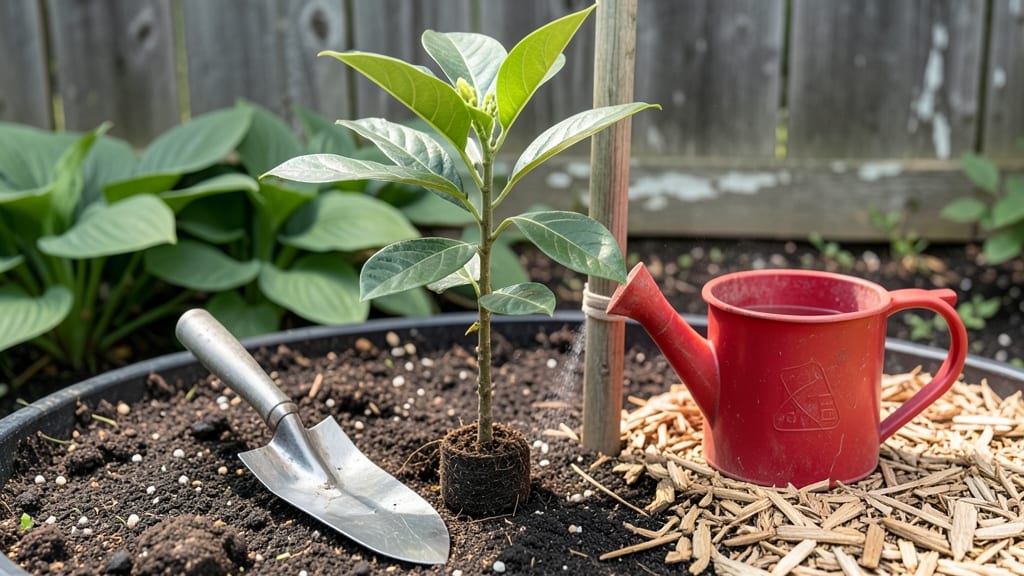
Knowing when to plant an avocado tree in ground could mean the difference between a thriving 🥑 and a frost-killed sapling. Unlike hardy perennials, avocados demand precision—plant too early, and your tree might not survive the first cold snap; too late, and root growth suffers before summer’s heat arrives.
For most gardeners in USDA Zone 6a (like me!), the sweet spot is April to May, once soil temperatures hit 60°F and all frost risk fades. But here’s the catch: if you’re in a warmer zone (think Zone 8+), you’ve got more flexibility—even late spring or early summer works.
The key? Matching your local last-frost date to your tree’s delicate early growth.
This guide cuts through the guesswork by mapping out the best planting windows for every USDA zone, plus pro tips for adjusting timing if you’re pushing the envelope (like in Zone 7 or cooler).
We’ll also cover how to spot when your avocado’s ready for the ground—because sometimes, the calendar isn’t the whole story.
Ready to plant with confidence? Let’s dive into the exact months, soil checks, and microclimate hacks that’ll set your avocado up for a lifetime of creamy, buttery rewards.
Best planting months for avocado trees by USDA Zone (frost-free guarantee)
Avocado trees (Persea americana) are tropical plants that hate frost. To ensure your tree thrives, planting at the right time based on your USDA zone is critical.
The goal? Establish roots before summer heat arrives and avoid winter chill damage. Let’s break down the ideal planting windows for each zone.
In USDA Zones 10-11, you can plant year-round since frost is never a risk. However, the best months are September through March when temperatures are mild.
This allows roots to settle before summer’s intense heat. For gardeners in Zone 9, aim for February to April to avoid late-spring frosts.
For Zones 8 and below, timing becomes trickier. Avocados are not cold-hardy—even a light frost can kill young trees. In Zone 8, plant between March and May, ensuring soil temperatures stay above 60°F (15°C).
In Zone 7, container growing is often safer, but if planting in the ground, late spring (May-June) is your only option.
| USDA Zone | Ideal Planting Months | Soil Temp Requirement | Frost Risk |
|---|---|---|---|
| 10-11 | September–March | 60°F+ (15°C+) | None |
| 9 | February–April | 60°F+ (15°C+) | Minimal (late spring) |
| 8 | March–May | 65°F+ (18°C+) | Moderate (late spring) |
| 7 | May–June (container preferred) | 70°F+ (21°C+) | High (winter) |
In Zones 10-11, where frost is nonexistent, focus on soil moisture and root establishment rather than frost dates. Plant during cooler months to avoid heat stress. For example, a Zone 10 gardener in Southern California might plant in October to let roots grow before summer’s dry heat.
If you’re in Zone 8, like Las Vegas or Phoenix, late spring planting (April-May) gives roots time to adapt before summer’s extreme heat. Use mulch to retain moisture and protect roots.
In Zone 7, such as Dallas or Denver, planting in the ground is risky—opt for containers that can be moved indoors during winter.
Pro tip: Check your local frost dates using the USDA Plant Hardiness Zone Map. Aim to plant 4-6 weeks before the first frost of the year. For Zone 8, this might mean early April, while Zone 7 gardeners should wait until late May.
Soil temperature is just as important as air temperature. Use a soil thermometer to confirm the ground is at least 60°F (15°C) before planting. In Zone 9, this usually aligns with March-April, but cooler microclimates (like mountain slopes) may need a later start.
For Zone 7 and colder, consider dwarf varieties like ‘Wurtz’ or ‘Mexicola’, which tolerate slightly cooler temps. Pair them with greenhouse protection or container growing to extend their lifespan. Remember, avocados are not cold-hardy—even Zone 7 winters can be deadly without precautions.
Finally, avoid planting in summer in any zone. The intense heat stresses young roots, and transplant shock becomes a major risk. Stick to the early spring or fall windows for the best chance at a healthy, fruiting avocado tree.
How to adjust planting time for early or late Zones (Zone 7 and below)
If you live in USDA Zones 7 or colder, planting an avocado tree in the ground requires extra strategy. These zones experience frost, which can kill young trees before they establish strong roots. The key is to extend the growing season and protect your tree during vulnerable months.
First, consider container growing for the first 1-2 years. This gives you mobility to move the tree indoors or under cover when frost threatens. Even in Zone 7, a large pot with wheels lets you relocate your tree quickly if temperatures drop below 32°F.
For in-ground planting, focus on microclimates—areas where cold air pools less. South-facing slopes, near buildings, or under deciduous trees (which drop leaves in winter) create warmer pockets. Test your spot by checking soil temperature with a thermometer; it should stay above 50°F for at least 6 weeks before planting.
🔥 Warning: Planting too early in cold zones risks frost damage. If you must plant in spring (March-April), use frost cloth or row covers for the first 2-3 weeks to shield new growth. Avoid fall planting entirely—avocado trees cannot tolerate winter dormancy in frost-prone areas.
⚠️ Frost Risk in Cold Zones
Zone 7: Plant only after May 15 (average last frost). Use mulch (4-6 inches) and windbreaks to insulate roots. Zone 6 and below: Stick to container growing or risk 100% winterkill in-ground.
For gardeners in Zone 7 with mild winters, late spring (May-June) is ideal. Choose a dwarf variety like 'Mexicola', which matures faster and handles cooler temps better than standard types. Water deeply every 5-7 days to encourage root growth before winter.
If you’re determined to plant in Zone 6 or colder, your only viable option is container culture year-round. Move the tree indoors (near a south-facing window) when nights drop below 45°Fgrow light to supplement sunlight during short winter days.
Remember: Avocado trees need consistent warmth to thrive. In cold zones, patience and protection are your best tools. Even with adjustments, fruit production may be limited or delayed compared to frost-free regions.