
Plants
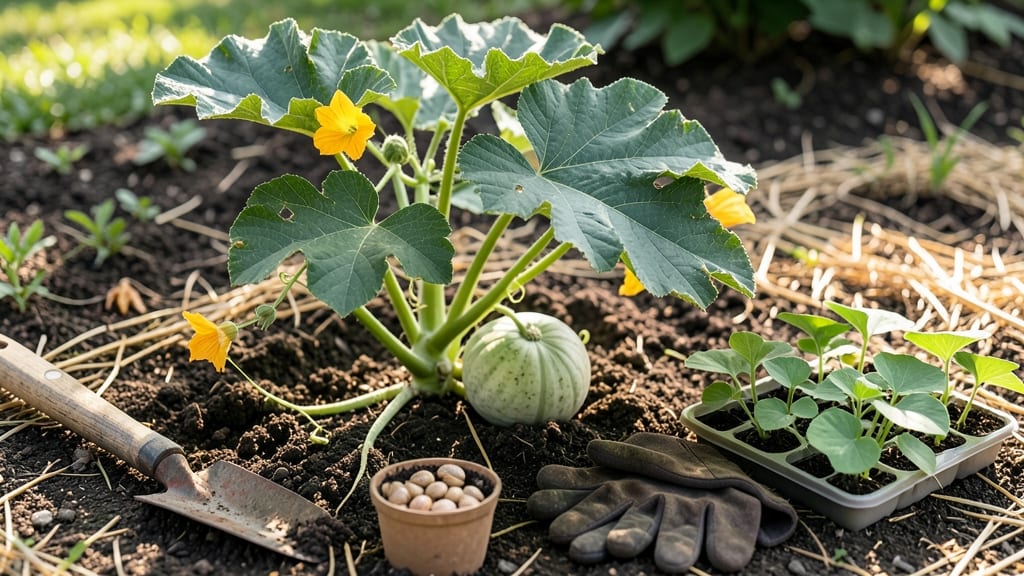
Timing your acorn squash 🎃 planting in Florida isn’t just about following a calendar—it’s about outsmarting the heat. Skip the wrong window, and you’ll watch your plants bolt before ever producing those sweet, nutritious fruits.
The key? Planting during Florida’s two ideal seasons: spring’s mild temperatures or fall’s cooling trend, both of which keep your squash thriving.
Most gardeners in zones 9a-11 swear by March–May or August–September, but why? Because Florida’s long, hot summers can turn your squash into a sad, bitter mess if planted too early.
I’ll break down the exact weeks to avoid bolting—plus, how to tweak your schedule based on whether you’re in North, Central, or South Florida.
You’ll also discover how to prep your soil for Florida’s sandy loam, space your plants just right to prevent disease, and even extend your harvest with clever tricks. No more guessing—just science-backed steps to turn your garden into a acorn squash 🎃 powerhouse.
Ready to ditch the trial-and-error? Let’s get into the precise planting schedule that’ll have you reaping harvests from October through March—without the stress.
Best Florida acorn squash planting dates by region (avoiding bolting)
Acorn squash thrives in Florida’s warm climate, but timing is everything—plant too early, and your vines will bolt from heat stress; too late, and you’ll miss the 90-day harvest window. Florida’s three distinct microclimates (North, Central, South) each demand slightly different schedules to avoid these pitfalls.
Unlike northern states, Florida gardeners don’t need to worry about first frost (except in rare North Florida events), but soil temperature and heat tolerance are critical. Acorn squash needs soil at 60°F+ to germinate—waiting for this threshold prevents leggy, weak seedlings that struggle in Florida’s 90°F+ afternoons.
Here’s the science-backed breakdown for each region, including early vs. late varieties and how to adjust for Florida’s unpredictable summer heatwaves.
| Region | Best Planting Window | Soil Temp Threshold | Harvest Window | Key Risk |
|---|---|---|---|---|
| North Florida (Zones 8a-9a) | Late February–March or August–September | 60°F+ (use row covers early) | October–December or January–March | Late frost (rare but possible) |
| Central Florida (Zones 9b-10a) | March–April or August–early September | 65°F+ (warmer soil speeds germination) | September–November or December–February | Heat stress (95°F+ causes bolting) |
| South Florida (Zones 10b-11) | April–May or July–August | 70°F+ (ideal for fast germination) | October–December or January–March | Humidity + heat (fungal diseases) |
🌱 Pro Tip: Use shade cloth (30-50%) in summer to lower soil temps by 10-15°F.
For North Florida, I recommend starting seeds indoors 4-6 weeks before your target planting date (e.g., late January for March outdoor transplanting). This head start helps seedlings outpace spring heat spikes that can shock young plants.
In Central and South Florida, direct sowing is safer—your soil warms quickly, and seedlings can handle 85°F+ days if shaded. However, avoid planting after mid-August; squash planted in September often bolts before fruiting due to shortening daylight.
Choose early-maturing varieties (e.g., ‘Table Queen’ at 85 days) for summer plantings, while late varieties (e.g., ‘Autumn Ale’ at 100 days) work better for spring. This flexibility lets you double-crop in most of Florida.
One common mistake? Skipping soil prep. Florida’s sandy soils drain too fast—amend with 2-3 inches of compost and well-rotted manure to retain moisture. Without this, your squash vines will wilt by noon during summer heatwaves.
Finally, mark your calendar for late July—this is Florida’s peak heat danger zone. If you must plant then, use drip irrigation and mulch heavily to keep roots cool. Your acorn squash will thank you with sweet, plump fruit instead of bitter, bolted vines.
Best Florida acorn squash planting dates by region (avoiding bolting)
Florida’s frost-free climate gives you two prime windows to grow acorn squash, but timing is everything to prevent heat stress and premature bolting. Since Florida spans USDA zones 9a-11, your region’s microclimate dictates the best months.
North Florida’s cooler winters and occasional frosts (even in zone 9a) require earlier starts, while South Florida’s year-round warmth allows for extended growing.
For North Florida (Panhandle, Gainesville), aim for March 15–April 15 to harvest before summer’s brutal heat.
In Central Florida (Orlando, Tampa), plant March 1–April 30 or August 15–September 15 for fall crops. South Florida (Miami, Key West) can plant February 15–March 30 and again August 1–September 15, thanks to milder winters.
| Region | Primary Planting Window | Secondary Window | Key Risk |
|---|---|---|---|
| North Florida (Zones 8a-9a) | March 15–April 15 | August 1–September 10 | Late frost or extreme heat |
| Central Florida (Zones 9b-10a) | March 1–April 30 | August 15–September 15 | Humidity + fungal diseases |
| South Florida (Zones 10b-11) | February 15–March 30 | August 1–September 15 | Heat stress after July |
Choose early-maturing varieties (80–85 days) like ‘Table Queen’ for North Florida’s spring plantings, where summer heat arrives fast. In South Florida, opt for heat-tolerant varieties like ‘Sweet Dumpling’ (90–100 days) for fall harvests, as temperatures rarely drop below 60°F after August.
Always wait until soil temperatures hit 60°F—use a soil thermometer to confirm. In North Florida, test for late frost risk (even in zone 9a) by checking the National Weather Service 10-day forecast. If frost is predicted, cover seedlings with frost cloth or use a row cover for protection.
Pro tip: Start seeds indoors 3–4 weeks before your region’s first planting window. Use biodegradable pots to avoid transplant shock when moving seedlings to full sun gardens. Harden off seedlings by placing them outdoors for 2–3 hours daily in the week before transplanting.
Remember, Florida’s humidity and heat can stress squash plants—space them 3–4 feet apart for airflow and mulch heavily to retain moisture. With the right timing, you’ll avoid bolting and enjoy homegrown acorn squash from October through December (or January–March for fall plantings).