
Planting
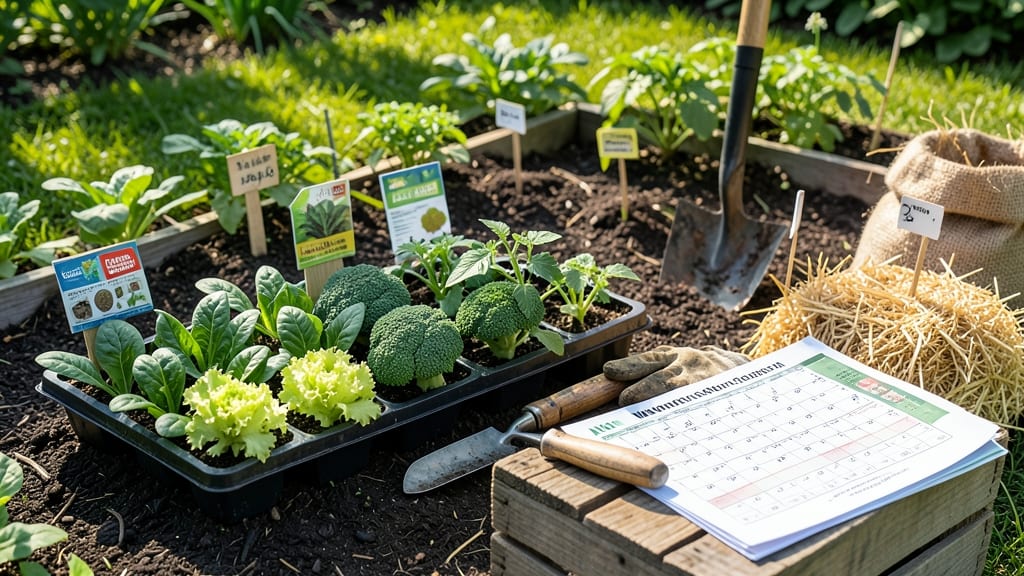
NJ planting calendar by vegetable type: frost dates & last chance timing
New Jersey’s Hardiness Zones 6b and 7a create a unique gardening challenge—last frost dates can vary by 2-3 weeks between northern and southern regions.
For most of NJ, the average last frost falls between March 15 and April 15, but coastal areas like Cape May often see frost-free conditions by March 1. Tracking these dates ensures you don’t lose seedlings to unexpected freezes.
Your planting timeline hinges on whether you’re growing cool-season crops (like lettuce and peas) or warm-season crops (like tomatoes and peppers). Cool-season veggies thrive when soil temps hit 40°F, while warm-season plants need soil at 60°F+ to germinate.
NJ’s spring soil warms slowly, so warm-season crops often wait until late April to early May.
First frost typically arrives in mid-October, but coastal areas may extend the season until November 1. This means you can squeeze in fall plantings of cool-season crops like spinach, kale, and radishes as early as late July for a late harvest. Understanding these windows prevents wasted effort on crops that won’t mature before frost.
Here’s a quick reference for NJ’s most popular vegetables, organized by planting season and frost sensitivity:
| Vegetable | Type | Planting Window (Zone 6b) | Planting Window (Zone 7a) | Frost Tolerance | Key Notes |
|---|---|---|---|---|---|
| Lettuce | Cool-season | March 15–April 15 (spring) or August 1–September 1 (fall) | March 1–April 1 (spring) or July 15–August 15 (fall) | High | Bolts in heat; use shade cloth in summer |
| Tomatoes | Warm-season | April 20–May 10 (after last frost) | April 1–April 15 (soil must be 60°F+) | Low | Start indoors 6–8 weeks before transplanting |
| Peas | Cool-season | March 15–April 15 (direct sow) | March 1–April 1 (direct sow) | High | Sow every 2 weeks for continuous harvest |
| Peppers | Warm-season | April 20–May 10 (transplant) | April 1–April 15 (transplant) | Low | Slow to mature; use black plastic mulch to warm soil |
| Carrots | Cool-season | March 15–April 15 (spring) or August 1–September 1 (fall) | March 1–April 1 (spring) or July 15–August 15 (fall) | Medium | Avoid planting in hot soil (deforms roots) |
| Green Beans | Warm-season | May 1–May 15 (direct sow) | April 15–May 1 (direct sow) | Medium | Sow every 2 weeks for extended harvest |
| Spinach | Cool-season | March 15–April 15 (spring) or August 1–September 1 (fall) | March 1–April 1 (spring) or July 15–August 15 (fall) | High | Bolt-resistant varieties for summer plantings |
| Cucumbers | Warm-season | May 1–May 15 (after last frost) | April 15–May 1 (after last frost) | Low | Trellis to save space and improve air circulation |
For warm-season crops, like tomatoes and peppers, timing is critical—plant too early and frost will kill them. I always start seeds indoors 6–8 weeks before the last expected frost date (use a seedling heat mat if your home is chilly).
For cool-season crops, like lettuce and spinach, you can often direct-sow as early as mid-March in Zone 7a, but wait until late March in Zone 6b to avoid frost damage.
NJ’s fall planting window is another game-changer. If you miss the spring window for warm-season crops, don’t despair—heat-tolerant varieties like Malabar spinach or Okra can handle late-summer heat. For cool-season crops, late July to early
How to adjust planting for NJ’s microclimates: coastal vs. inland differences
New Jersey’s diverse microclimates mean your coastal Cape May garden (Zone 7a) can handle tomatoes 2 weeks earlier than your inland Sussex County plot (Zone 6b). These temperature and soil differences directly impact your planting schedule—what works in one area may fail just 50 miles away.
Coastal areas benefit from warmer soils earlier in spring due to ocean currents, while inland regions experience colder nights and slower soil warming. For example, spinach and peas might sprout safely in early March on the Jersey Shore but wait until mid-April inland.
Always check your local frost-free date—coastal NJ averages April 15, while inland areas often see frost until May 1.
Soil temperature is another critical factor. Warm-season crops like peppers and eggplants need soil at 60°F+. Coastal areas reach this by mid-April, while inland soils may not warm until late May. Test your soil with a soil thermometer—it’s the only way to know for sure.
| Factor | Coastal NJ (Zone 7a) | Inland NJ (Zone 6b) |
|---|---|---|
| Last Frost Date | April 15 | May 1 |
| First Frost Date | October 15 | October 1 |
| Soil Warms to 60°F | Mid-April | Late May |
| Best Month for Tomatoes | Late April | Early May |
| Fall Planting Window | July 15–August 15 | July 1–August 1 |
Use these microclimate differences to your advantage. Coastal gardeners can plant heat-loving crops like okra and sweet potatoes earlier, while inland growers should focus on fast-maturing varieties to avoid early frost. For example, ‘Early Girl’ tomatoes (65 days) work inland, but ‘Solar Fire’ (80 days) thrives on the coast.
Pro tip: Adjust your schedule by 1–2 weeks based on elevation. Higher elevations (like the Kittatinny Mountains) stay cooler longer—add 10–14 days to your planting timeline. Conversely, urban areas with heat-island effect may warm up faster, letting you plant warm-season crops 1 week early.
Track your local conditions using NJ State Climate Office data or a home weather station. Over 3 years, you’ll spot patterns that let you fine-tune your garden’s success.
For instance, my coastal plot in Cape May blooms ‘Black Krim’ tomatoes by July 1, while my inland garden in Hunterdon County only sees ripe fruit by August 15**.