Plants
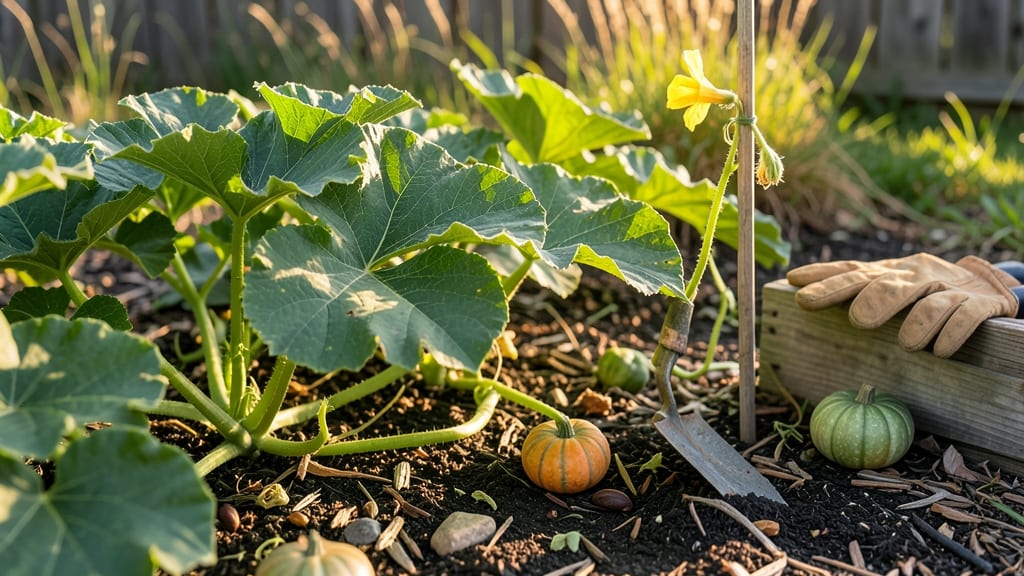
Indiana pumpkin planting deadlines by Zone 5B/6A (with frost risk timeline)
Indiana gardeners face a 165-day growing season between the last frost (around April 15) and first frost (October 15). Pumpkins need 90-120 days to mature, so timing is critical. Plant too early, and frost will kill tender seedlings; too late, and your vines won’t produce before winter.
The key is soil temperatures above 55°F—a threshold most Indiana regions hit by mid-April in Zone 6A and late April in Zone 5B.
For Zone 6A (southern Indiana), your optimal planting window runs from mid-April to early May. This gives vines 100-120 days to mature before frost. In Zone 5B (northern Indiana), wait until late April to mid-May to avoid early-season frost damage.
Use these dates as guidelines, but always check your local Indiana State Climate Office for updates—unpredictable springs can shift deadlines by weeks.
Direct-sowing seeds is best for pumpkins—they hate transplanting. Start seeds 1 inch deep, spacing 2-3 per hill, and thin to the strongest plant. Hills should be 4-6 feet apart to accommodate sprawling vines.
If you’re using transplants (like from a nursery), wait until soil temps stay above 60°F for 2+ weeks, typically late May in Zone 5B and early May in Zone 6A.
🚨 CRITICAL TIMELINE ALERT: Indiana’s last frost date varies by 10-14 days between north and south. Use this summary-table to align your planting with your microclimate:
| Zone | Last Frost Date | Ideal Planting Window | Soil Temp Threshold | Days to Maturity |
|---|---|---|---|---|
| Zone 6A (Southern IN) | April 15 | Mid-April to Early May | 55°F+ (consistent) | 90-120 days |
| Zone 5B (Northern IN) | April 25 | Late April to Mid-May | 60°F+ (consistent) | 100-120 days |
| Both Zones | First Frost | October 15 | N/A | Harvest by Oct 1 |
Adjust your planting if your spring is early or late. For example, if frost arrives early in Zone 6A, opt for fast-maturing varieties (like ‘Jack Be Little’, ready in 75 days).
In Zone 5B, consider staggered planting: sow half your seeds in late April and the rest in early May to spread harvest timing. This insurance strategy ensures at least some pumpkins mature, even if weather turns unpredictable.
Indiana’s humidity and variable rainfall can also impact planting. If your soil stays too wet or cold, seeds may rot. Amend heavy clay soil with compost or sand to improve drainage, and avoid planting in low-lying areas where frost lingers.
Raised beds warm up faster and are ideal for northern Indiana gardeners in Zone 5B.
🌱 Key Takeaway: Indiana’s Zone 5B/6A pumpkin planting window is mid-April to mid-May, but soil temperature (not calendar dates) is your true guide. Use row covers for early starts in Zone 5B, and choose disease-resistant varieties like ‘Howden’ or ‘Autumn Gold’ to combat Indiana’s powdery mildew risks.
After planting, monitor vine growth—healthy pumpkins need 6-8 hours of sun daily and 1-2 inches of water weekly. Mulch around hills to retain moisture and suppress weeds, which compete for nutrients.
By following these Zone-specific deadlines, you’ll maximize your Indiana pumpkin harvest, whether you’re growing jack-o’-lanterns or pie pumpkins!
🎃 Final Reminder: Mark your calendar for October 1—that’s your last call for harvest before frost hits. Plan ahead to enjoy fresh pumpkin bread or carving material all season!
How to extend your Indiana pumpkin season: cold-hardy varieties and row covers
Indiana’s short 165-day growing season can make pumpkin growing tricky, but with the right cold-hardy varieties and protective strategies, you can push your harvest window by 2-3 weeks. The key is selecting pumpkins that tolerate cooler soils and using row covers to create a microclimate—especially for early starts.
For Indiana gardeners, the top 3 cold-tolerant varieties are ‘Jack Be Little’ (compact, 75-day maturity), ‘Sugar Pie’ (small, 90 days, great for pies), and ‘Howden’ (classic carving pumpkin, 100 days). These varieties handle soil temps as low as 50°F and thrive in Indiana’s Zone 5B/6A climate.
To maximize your season, start seeds indoors 2-3 weeks before your last frost date (typically April 15 in most of Indiana). Use biodegradable pots to avoid transplant shock when moving seedlings outdoors.
For an extra 2-week head start, cover young plants with floating row covers until they’re 6 inches tall—this protects against late spring frosts and speeds up vine growth.
🌱 Extending Your Indiana Pumpkin Season
- ✅ Use row covers for early starts
- ✅ Choose cold-hardy varieties (75-90 days)
- ✅ Stagger plantings 2 weeks apart
- ✅ Test soil temp (wait until 55°F+)
- ❌ Plant too early in cold, wet soil
- ❌ Skip hardening off seedlings
- ❌ Overcrowd hills—4-6 ft spacing is key
- ❌ Ignore pest warnings (squash bugs love row covers)
For a second harvest attempt, try a late planting in early June using fast-maturing varieties like ‘Early Golden’ (80 days). While this won’t yield giant pumpkins, it can produce smaller, edible varieties for pies or roasting. Just be prepared to harvest by mid-October before the first frost.
Pro tip: If you’re using row covers, remove them during flowering to allow bees to pollinate your pumpkins. A 50% shade cloth can also help protect vines from Indiana’s humid summers while keeping soil moisture consistent.
With these strategies, you can enjoy a longer harvest window and avoid the heartbreak of frost-nipped pumpkins!