
Vegetables
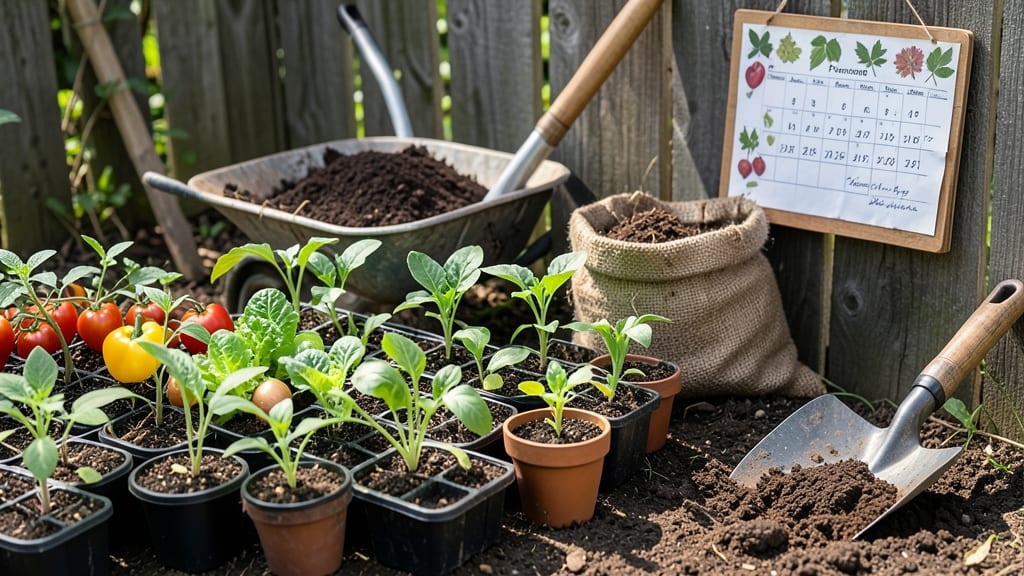
Timing your vegetable planting in Texas isn’t just about the calendar—it’s about beating the heat and avoiding frost surprises. The best time to plant vegetables in Texas depends on your microclimate, whether you’re in the Panhandle’s cooler zones or the Gulf Coast’s sweltering summers.
For most gardeners, spring is the golden window, but heat-tolerant varieties like okra and sweet potatoes can thrive even when temperatures soar. I’ve learned the hard way that planting too early in North Texas risks a late frost, while waiting too long in South Texas means wilting before harvest.
Let’s break down the exact start dates by region so you can grow a garden that actually survives—and thrives.
You’ll discover how to stretch your growing season with smart succession planting and which vegetables handle Texas’s brutal summers like pros. No more guessing games—just data-driven timing to maximize your harvest from summer to fall.
Ready to turn your Texas garden into a year-round powerhouse? I’ll show you the key adjustments for soil, water, and companion plants that make all the difference in our unpredictable climate. Let’s get those 🌱 in the ground at the perfect moment.
Texas planting zones by microclimate: exact start dates for cool-season vs. heat-tolerant vegetables
Texas stretches across 11 USDA hardiness zones, from the chilly North Texas plains to the humid Gulf Coast. This diversity means your planting timeline depends heavily on your local microclimate.
In Zone 7a (North Texas), cool-season crops like lettuce and broccoli can go in as early as February, while Zone 10a (South Texas) lets you plant tomatoes year-round with minimal frost risk.
The key to success is knowing your last frost date and heat tolerance thresholds. For example, peppers and squash thrive in 85°F+ soil, while spinach bolts when temperatures hit 75°F. Let’s break down the best planting windows for Texas’s four main regions.
📌 PRO TIP: Use row covers to extend cool-season planting by 2-4 weeks in North and Central Texas. In South Texas, focus on shade cloth to protect heat-sensitive crops like cucumbers during summer’s peak.
| Region | USDA Zones | Cool-Season Start | Heat-Tolerant Start | Last Frost Date |
|---|---|---|---|---|
| North Texas | 7a-8a | Feb 15 - Mar 15 | Apr 15 - May 1 | Mar 1 - Mar 15 |
| Central Texas | 8a-9a | Mar 1 - Mar 31 | Apr 1 - Apr 15 | Feb 15 - Feb 28 |
| South Texas | 9a-10a | Sep 15 - Oct 15 | Mar 1 - Ongoing | Dec 15 - Jan 15 |
| High Plains | 7b-8b | Mar 1 - Apr 1 | May 1 - May 15 | Mar 15 - Apr 1 |
🌱 Note: Adjust dates 1-2 weeks earlier for elevated areas or 1-2 weeks later for low-lying, humid zones.
In North Texas, where Zone 7a dominates, cool-season crops like kale, carrots, and onions should hit the soil by mid-February.
Wait until soil temperatures reach 60°F+ for warm-season stars like tomatoes and peppers, typically mid-April. Central Texas gardeners can push cool-season starts to early March and transition to heat lovers by mid-April.
For South Texas, the rules flip: cool-season planting happens in fall (September-October) to avoid summer’s brutal heat. Meanwhile, tomatoes, eggplants, and okra thrive year-round with minimal care.
The High Plains have a shorter growing window, so prioritize fast-maturing varieties like bush beans and radishes for spring and early summer harvests.
Don’t overlook succession planting—a game-changer for Texas gardens. By staggering lettuce, bush beans, and basil every 2 weeks, you’ll enjoy continuous harvests instead of one-time bounty. For example, plant bush beans in April, June, and August to avoid overcrowding and pest pressure.
Texas’s alkaline soil (pH 7.5-8.5) can stunt growth, so amend beds with compost and sulfur
Top 5 heat-tolerant vegetables for Texas gardens (and how to extend their growing season)
Texas summers can turn a garden into a sauna, but some vegetables thrive in the heat—if you know which ones to plant. My top picks for heat-tolerant varieties include okra, sweet potatoes, black-eyed peas, malabar spinach, and cowpeas, all of which handle 90°F+ temperatures like champions.
These plants don’t just survive—they produce prolifically when cooler-season crops wilt.
For example, okra grows faster in heat, while sweet potatoes actually sweeten more when temperatures rise. The key is succession planting—staggering new seeds every 2-3 weeks to keep your harvest going until first frost.
This works especially well for black-eyed peas, which can handle both heat and drought.
Here’s how I extend their growing season in my Central Texas garden: I use shade cloth (30-50%) during peak afternoons for leafy greens like malabar spinach, while cowpeas get planted in late summer to mature before winter sets in.
Mulching with straw or wood chips keeps roots cool and retains moisture—critical in 100°F+ soil.
🌱 Top 5 Heat-Tolerant Vegetables
Don’t overlook fall planting for these heat-lovers! In North Texas, I start okra and cowpeas in early August for a fall harvest before temperatures drop. For southern Texas, extend the season by planting sweet potatoes in June—they’ll mature just as summer cools.
Always check your local frost dates (typically November-December in most regions) to time harvests right.
Watering is critical—these plants need deep, infrequent watering (1-2 inches per week) to develop strong roots. I use drip irrigation to avoid wetting leaves, which reduces fungal diseases like powdery mildew. For container gardens, choose heat-resistant pots (like terracotta) and place them in partial shade during peak heat.
With these heat-tolerant varieties and smart planting strategies, you can enjoy fresh vegetables year-round in Texas—no more waiting for cooler weather! Start with just one or two this season, and expand as you master the timing. Happy gardening! 🌿