
Trees
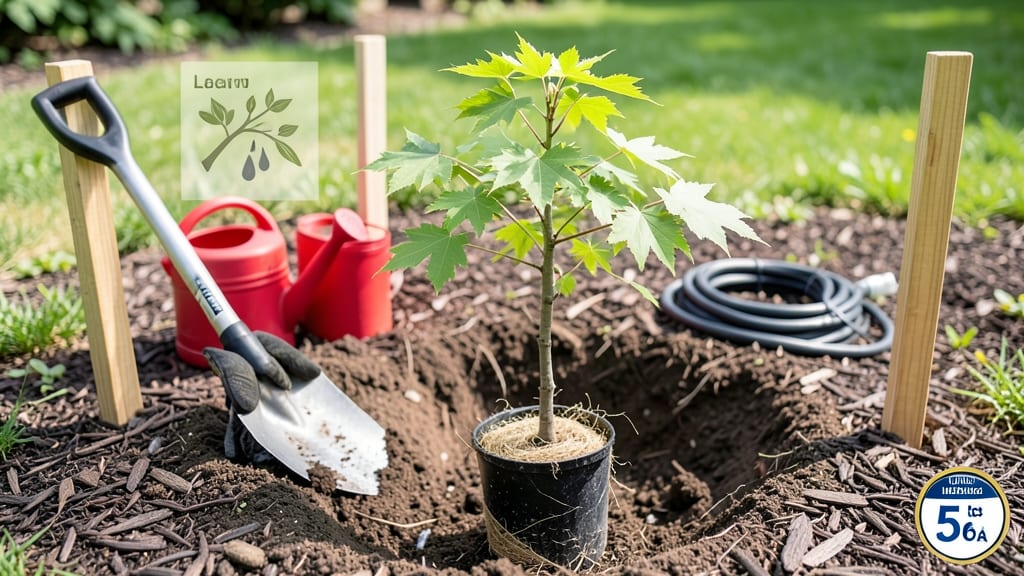
Indiana’s ideal tree planting window: soil temperature & frost-free guidelines
Indiana’s climate—with its USDA Zones 5 and 6—creates a narrow but critical planting window for trees. The best time hinges on two key factors: soil temperature (aim for 50°F or warmer) and frost-free dates.
Planting too early risks frost heave, while waiting too long can stunt root growth before winter dormancy.
For most Indiana counties, the optimal planting months are April through early May (spring) or September through October (fall). These windows align with warmer soil and lower stress for young roots. Evergreens and bare-root trees benefit most from fall planting, while container-grown trees can handle early spring.
Northern Indiana (Zone 5, e.g., Gary, Fort Wayne) faces earlier frost (average last frost: April 15), while southern Indiana (Zone 6, e.g., Louisville, Evansville) enjoys a later window (May 1).
Use the Purdue Extension frost map to pinpoint your local cutoff—planting 2–4 weeks before the first frost ensures roots establish before winter.
🌱 Pro Tip: Test soil temperature with a soil thermometer (bury it 4–6 inches deep for accuracy). If it’s below 50°F, wait—cold soil slows root growth by 50% or more.
| Factor | Indiana North (Zone 5) | Indiana South (Zone 6) | Actionable Tip |
|---|---|---|---|
| Soil Temperature | 50°F+ (early May) | 50°F+ (late April) | Use a thermometer; wait if colder. |
| Last Frost Date | April 15 | April 22 | Plant 2–4 weeks before frost. |
| Fall Planting Window | September 15–October 15 | September 1–November 1 | Ideal for drought-resistant species. |
| Soil Moisture | Moderate (avoid soggy) | Moderate (well-draining) | Amend clay soil with compost. |
| Tree Type | Deciduous (oak, maple) | Evergreens (pine, spruce) | Fall-plant evergreens for winter moisture. |
Spring planting (March–April) is ideal for bare-root trees and fast-growing species like red maple or silver maple. These trees take advantage of Indiana’s 60–90 frost-free days to establish roots before summer heat.
However, avoid planting after May 15—summer heat can stress young roots before they’ve had time to adapt.
Fall planting (September–October) is a secret weapon for Indiana gardeners.
Cooler temperatures and consistent rainfall reduce transplant shock, while trees focus on root growth instead of foliage. Oak and hickory trees, for example, thrive when planted in fall—their roots grow 2x faster in cool, moist soil compared to spring.
If you’re planting in urban areas (e.g., Indianapolis, Carmel), watch for microclimates. Pavement and buildings can raise temperatures by 5–10°F, delaying frost. Check with local Indiana DNR resources or Purdue Extension for city-specific adjustments. For rural areas, northern Indiana’s wetter soils may require raised beds to prevent waterlogging.
🌳 Remember: Container-grown trees can be planted year-round (except winter), but bare-root trees must go in during their dormant season. Always water deeply after planting—15–30 gallons for mature trees—to encourage root spread into the surrounding soil.
For maximum success, pair planting with mulching (3–4 inches of wood chips) and stake only if necessary. Over-staking
Best trees to plant by season in Indiana (spring vs. fall)
Indiana’s climate offers two prime windows for planting trees: early spring and fall, each with unique advantages. In spring, soil thaws and roots establish quickly before summer heat sets in, while fall planting lets trees focus on root growth before winter dormancy.
The key is matching your tree species to the season’s strengths.
For spring planting, focus on fast-growing shade trees like sugar maples or red oaks, which thrive when planted in March or April after the last frost.
Evergreens like white pines also do well in spring, as their roots can establish before winter stress. Fruit trees (e.g., apple or peach) planted in early spring benefit from a full growing season to bear fruit sooner.
Fall is ideal for drought-resistant species like honey locusts or bur oaks, as cooler temperatures reduce transplant shock. Plant these in September or October, giving roots time to settle before winter. Evergreens (e.g., blue spruce) also prefer fall planting to avoid summer stress.
Avoid planting late—November’s frost can damage tender roots.
Spring Planting vs. Fall Planting
Spring Planting
Pros: Longer growing season, faster above-ground growth, ideal for fruit trees.
Fall Planting
Pros: Cooler temps reduce stress, roots establish before summer heat, better for drought-resistant species.
Cons: Risk of frost heave if planted too early, requires consistent watering.
Cons: Limited time before winter dormancy, may need winter protection.
Tip: Always mulch newly planted trees in fall to insulate roots from freezing.
Evergreens (e.g., arborvitae, juniper) should avoid late spring planting, as summer heat can stress them. Instead, opt for fall or early spring when soil is cool. Deciduous trees like tulip poplars adapt well to both seasons but need extra watering in spring to combat drought.
Pro tip: Check Indiana’s USDA Zone 5-6 guidelines—Northern Indiana (e.g., Gary) has a shorter frost-free window than Southern Indiana (e.g., Louisville). Adjust planting dates accordingly: 2-3 weeks earlier in the north. Always test soil temperature (aim for 50°F+) before planting to ensure root success.
For container-grown trees, you can plant almost year-round (except winter), but spring or fall still offer the best results. Amend soil with compost and water deeply to help roots adapt.
With the right timing, your trees will grow strong and healthy for decades—just don’t wait until summer’s heat or winter’s freeze! 🌳