
Companion Plants
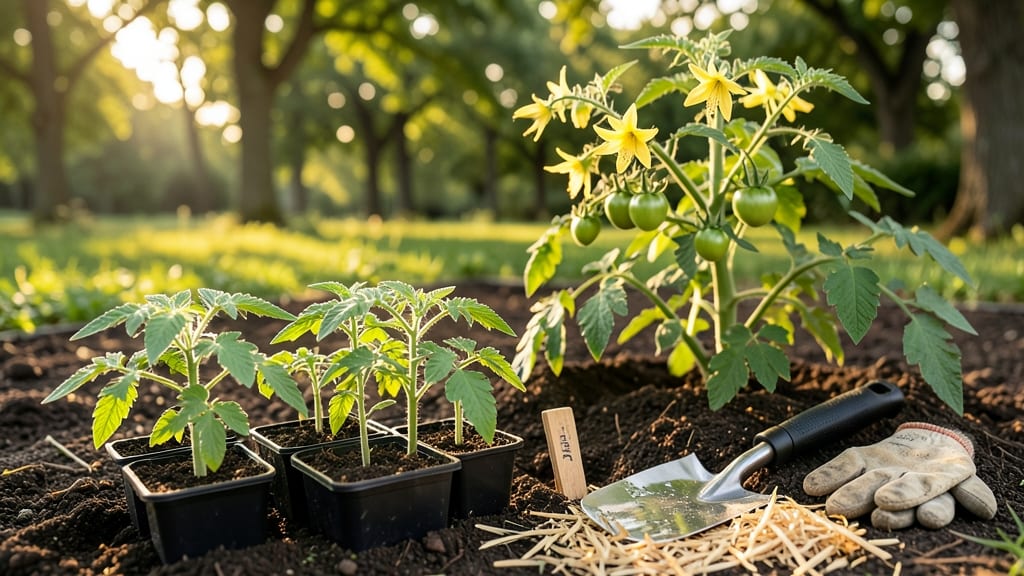
Planting tomatoes in Pennsylvania isn’t just about grabbing seedlings and sticking them in the dirt—it’s about timing it just right to avoid frost damage and ensure a thriving harvest.
The mid-April to early June window gives you the perfect balance between soil warmth and frost-free conditions, but even then, your local microclimate can shift those dates by weeks.
I’ve learned the hard way that rushing your 🍅 tomatoes into cold soil or planting too late means missing out on that first juicy slice of homegrown goodness.
Whether you’re a first-time gardener or a seasoned pro, knowing exactly when to start seeds indoors or transplant seedlings can mean the difference between a bountiful harvest and a sad, wilted disappointment.
In this guide, I’ll break down the exact planting dates for Pennsylvania’s USDA zones 5b-7a, including how to adjust for urban heat islands, elevation changes, and other regional quirks. You’ll also discover the best soil prep tips and transplanting tricks to give your tomatoes the strongest start possible.
Ready to grow tomatoes that make your neighbors jealous? Let’s dive into the step-by-step schedule that’ll have you enjoying garden-fresh tomatoes from June all the way through October.
Pennsylvania’s tomato planting zones: exact dates by region for frost-free success
Pennsylvania spans USDA zones 4a through 7a, meaning your tomato planting window varies dramatically from the Poconos Mountains to Philadelphia’s urban heat islands. The key to success?
Timing transplants after the last average frost date—typically mid-April in southern PA and late May in the north—while ensuring soil temperatures hit 55°F+ for root development.
For direct-sown seeds, wait until soil reaches 60°F+ and all frost risk has passed—usually late May to early June in most regions. Seedlings can handle slightly cooler soil (50°F+), giving you a 2-3 week head start over direct sowing.
My rule of thumb? Transplant after Mother’s Day in central PA, but always verify with your local Cooperative Extension office for hyper-local data.
Here’s the breakdown by region—use these as your planting benchmarks, then adjust based on your microclimate (more on that in the next section!).
| Region | USDA Zone | Last Frost (Avg) | Transplant Window | Direct Sow Window |
|---|---|---|---|---|
| Philadelphia | 7a | April 15 | April 20–May 10 | May 20–June 1 |
| Pittsburgh | 6b | April 25 | May 1–May 15 | May 25–June 5 |
| State College | 6a | May 5 | May 10–May 25 | June 1–June 10 |
| Scranton | 5b | May 10 | May 15–June 1 | June 10–June 20 |
| Erie | 6a | May 1 | May 10–May 20 | May 30–June 10 |
Pro tip: Urban areas like Philadelphia can plant 1-2 weeks earlier thanks to the urban heat island effect, while valleys and high-elevation spots (like Poconos) may need to delay by 10 days or more.
Always test your soil with a thermometer—cold soil can stunt roots even if air temps are warm.
For late-season varieties (like ‘Brandywine’ or ‘Cherokee Purple’), you can push the envelope by planting direct-sown seeds in late June for a fall harvest. These heat-tolerant tomatoes thrive in August’s warmth and often produce fruit before the first frost.
Just be prepared to protect seedlings with row covers if nighttime temps dip below 50°F.
If you’re starting seeds indoors, begin 6-8 weeks before your last frost date. For example, Philadelphia gardeners should sow seeds by March 1, while Erie residents can wait until April 1.
Use grow lights or a sunny windowsill to avoid leggy seedlings, and harden them off for
How to adjust planting dates for Pennsylvania’s microclimates and soil conditions
Pennsylvania’s diverse geography means your neighbor’s perfect planting date might not work for you. Cities like Philadelphia and Pittsburgh experience urban heat islands, while rural areas in the Poconos or Allegheny Mountains face cooler microclimates.
Even within a single county, elevation changes of just 100 feet can shift your last frost date by 1-2 weeks. Ignoring these factors risks cold soil shock or stunted growth—so adjust your schedule based on your specific conditions.
Soil temperature matters more than air temperature for tomatoes. Cold soil below 55°F stunts root growth, while ideal planting conditions require 60°F+ soil. Use a soil thermometer to test your garden bed—if it’s still chilly in May, wait another week. Well-draining soil is non-negotiable; tomatoes hate soggy roots.
Amend heavy clay with compost or sand to improve drainage, or opt for raised beds in problem areas like low-lying spots where frost lingers.
🌱 Pennsylvania Microclimate Adjustments
Elevation plays a sneaky role—every 1,000 feet up shifts your last frost date 3-5 days later. If you’re gardening above 1,500 feet in the Lackawanna or Somerset counties, push back your planting by 2 weeks compared to sea-level areas. Cold air pockets in valleys?
Plant row covers or use cold frames to create a 5-10°F warmer environment. For late varieties, succession planting every 2 weeks in June ensures a prolonged harvest—critical in shorter-season zones like Erie (Zone 5b).
Test your soil readiness with a frost cloth trick: Lay one over your garden at dusk for 3 nights. If it’s frost-free underneath, your plants are safe. Black plastic mulch warms soil 2-3°F faster than bare ground, letting you plant earlier in cool zones.
Pair this with drip irrigation to maintain consistent moisture—tomatoes wilt dramatically in dry soil, even if they’ve got enough water overall.
⚠️ Pro Tip: In Zone 5b-6a, start heat-loving varieties like ‘Celebrity’ or ‘Better Boy’ indoors 6-8 weeks before last frost, then transplant after soil warms. For short-season zones (5a), choose early maturing types like ‘Stupice’ (50 days) or ‘Mountain Merit’ (65 days) to beat frost.
Don’t forget container gardening—pots warm up faster than in-ground soil but also dry out quicker. Use self-watering containers and move them to sunniest spots during the day.
If you’re in Zone 7a (e.g., Harrisburg), you can direct-sow in early May, but transplant seedlings for a 2-week head start. Always harden off seedlings for 7-10 days before moving them outside to avoid transplant shock, a common killer in PA’s unpredictable spring weather.
🌱 Soil Prep