Plants
North Carolina last frost dates by region: exact planting windows for tomatoes
North Carolina’s diverse climate means your last frost date could vary by 6+ weeks depending on where you live. In the mountains, frost lingers until mid-April, while coastal areas often see their last freeze by March 15.
Getting this timing right ensures your tomato seedlings thrive without frost damage—so let’s break it down by region.
For most NC gardeners, the ideal planting window for tomatoes opens 2-4 weeks after your average last frost date. This gives soil time to warm to 60°F+, which tomatoes crave. Soil temperature matters more than air temperature—cold soil stunts root growth and delays fruiting.
Here’s how to find your exact last frost date: Check the NC State Climate Office or use the USDA Plant Hardiness Zone Map. For example, Asheville (Zone 7a) averages its last frost on April 15, while Raleigh (Zone 7b) typically warms up by March 30.
Coastal Wilmington (Zone 8a) often skips frost entirely in mild winters.
| Region | Last Frost Date | Safe Planting Window | Key Notes |
|---|---|---|---|
| Mountains (Asheville, Boone) | April 15–May 1 | May 1–May 15 | Cooler nights; use row covers for early starts. |
| Piedmont (Raleigh, Greensboro) | March 30–April 10 | April 15–April 30 | Moderate climate; black plastic mulch warms soil faster. |
| Coastal Plain (Fayetteville, Goldsboro) | March 15–March 25 | April 1–April 15 | Humid summers; choose heat-tolerant varieties. |
| Sandhills (Pinehurst, Sanford) | March 20–March 30 | April 1–April 15 | Sandy soil drains fast; amend with compost. |
| Coastal (Wilmington, Morehead City) | January 31–February 15 | March 15–March 31 | Longer growing season; can plant fall varieties in July. |
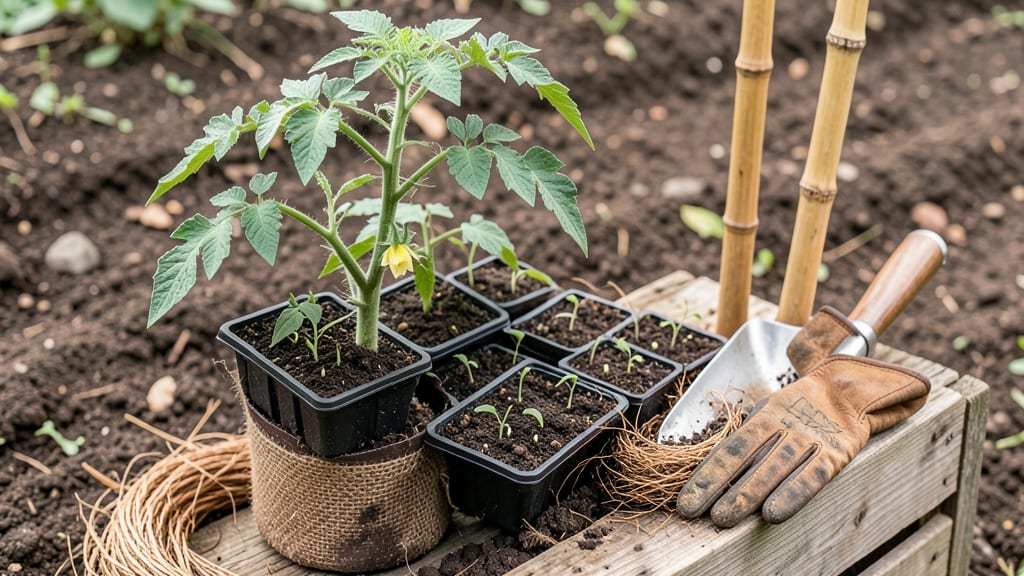
If you’re eager to start earlier, consider transplanting seedlings instead of direct sowing. Seedlings tolerate cooler soil better than seeds, so you can plant them 2 weeks before your region’s last frost date—just protect them with floating row covers if frost threatens.
For example, in Raleigh, you could safely transplant seedlings by April 1.
For fall tomatoes, aim to plant seeds or seedlings in July (coastal areas) or late July to early August (inland). These varieties need 60–70 days to mature before the first frost. Heatmaster and Solar Fire are excellent choices for late-season planting—they thrive in 90°F+ heat without dropping blossoms.
Pro tip: Use a soil thermometer to confirm your soil is 60°F+ before planting. Cold soil slows germination and root growth, leading to stunted plants and poor yields.
If your soil is still chilly, try black plastic mulch—it can raise soil temps by 10°F+ in just a few days.
Remember, NC’s microclimates can shift frost dates by weeks even within the same county. Observe your garden’s patterns for 3+ years to refine your planting schedule. And if you’re unsure, err on the side of planting later—tomatoes handle heat better than cold!
Now that you’ve got your planting window locked in, let’s talk about the best heat-tolerant tomato varieties for NC’s summers—because not all tomatoes handle our 90°F+ days equally! 🌱
Best heat-tolerant tomato varieties for NC’s hot summers: avoid blossom drop and sunscald
North Carolina’s summers can push temperatures into the 90s°F, making heat tolerance a critical factor for tomato success. The wrong variety will suffer from blossom drop (flowers falling off) or sunscald (white/yellow patches on fruit).
I’ve grown dozens of varieties here, and these 8 heat-resistant types consistently deliver—even in Raleigh’s humid heat or Charlotte’s dry summers.
For determinate varieties (bush-type, great for containers), try ‘Celebrity’ or ‘Mountain Merit’. Both handle 85°F+ temps without wilting and produce early, reliable harvests.
Indeterminate types like ‘Solar Fire’ or ‘Heatmaster’ keep producing all season long, but they need sturdy cages to support their 6-foot vines under heavy fruit loads.
Here’s how to choose: If you’re in the Coastal Plain (like Wilmington), prioritize drought-tolerant varieties like ‘Arkansas Traveler’. For the Mountains (Asheville area), ‘Better Boy’ thrives in cooler high-elevation summers but still handles 80°F+ days.
Always check the USDA Zone on seed packets—NC spans 6b to 8a, so adjust accordingly.
Pro tip: If you’re planting in late May or June (common for fall crops), start with heat-set varieties like ‘Solar Fire’—they’ll skip the blossom drop phase that plagues other tomatoes in 90°F+ soil.
For cherry tomatoes, ‘Sweet Million’ is my go-to; it handles heat better than most and produces all summer long.
To protect your tomatoes from sunscald (those ugly white patches), use shade cloth (30-50%) during peak afternoon sun (12-4 PM). Mulch with straw or black plastic to keep roots cool—this works wonders in Piedmont clay soils that heat up fast.
And always water deeply in the morning to avoid evening moisture that fuels fungal diseases like early blight.
For fall planting (July-August), choose early-maturing varieties like ‘Early Girl’ or ‘Stupice’. These can outpace NC’s first frost (usually mid-October) and still give you a late-season harvest. Just be ready to harvest green if frost threatens—ripen indoors with a paper bag and a banana for ethylene gas!